
Switzerland is a rich and prosper country, situated in the hearth of Europe at the foot of the Alps. It has been a farm and agricultural country for ages and has know turned to be an urban country where it’s Midland is a continuous urbanization. Although this changes urban planning is lacking in it’s mission to create a legible and intelligible land.
Category Archives: Switzerland
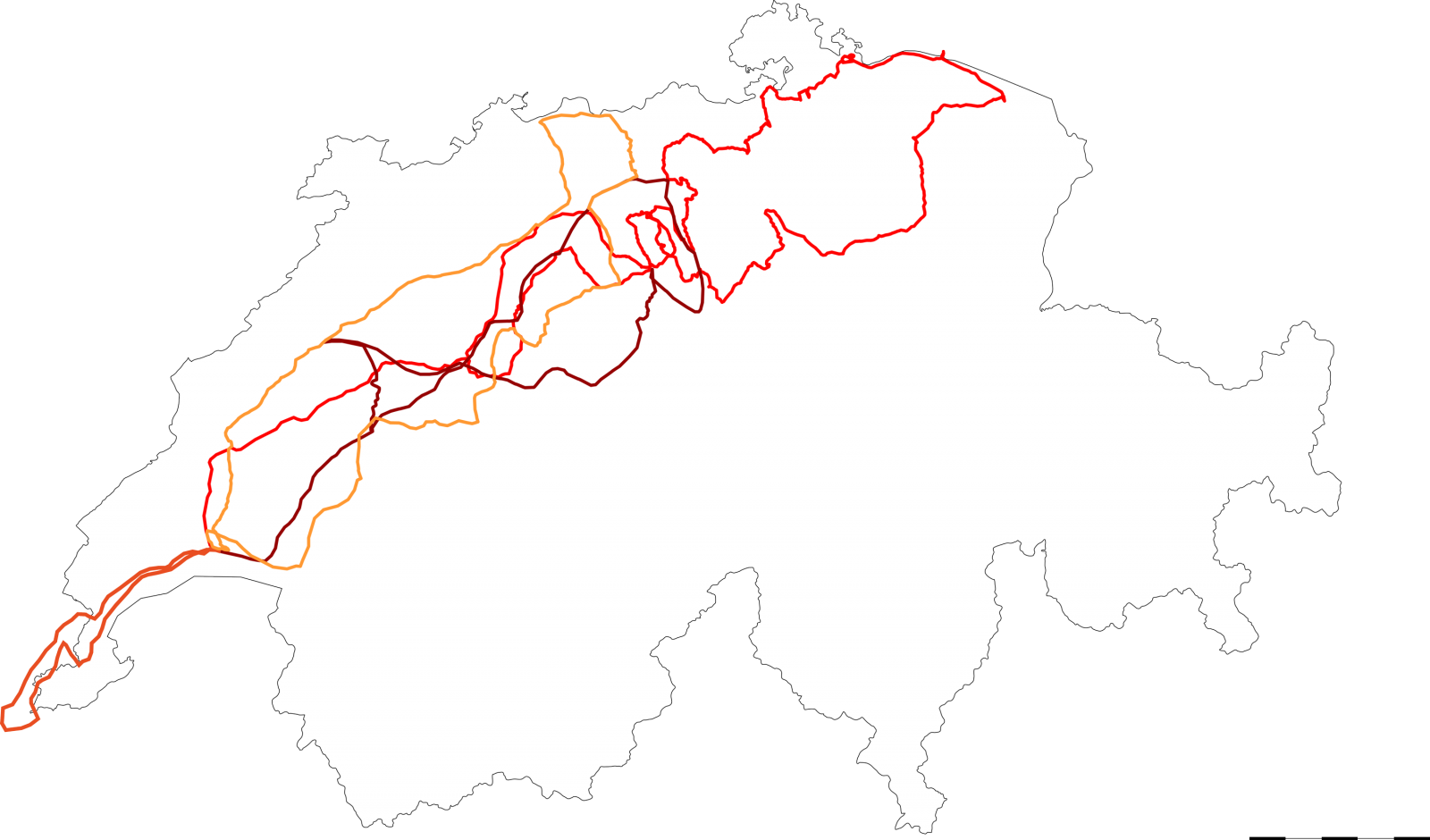
MAPS


LANDSCAPE
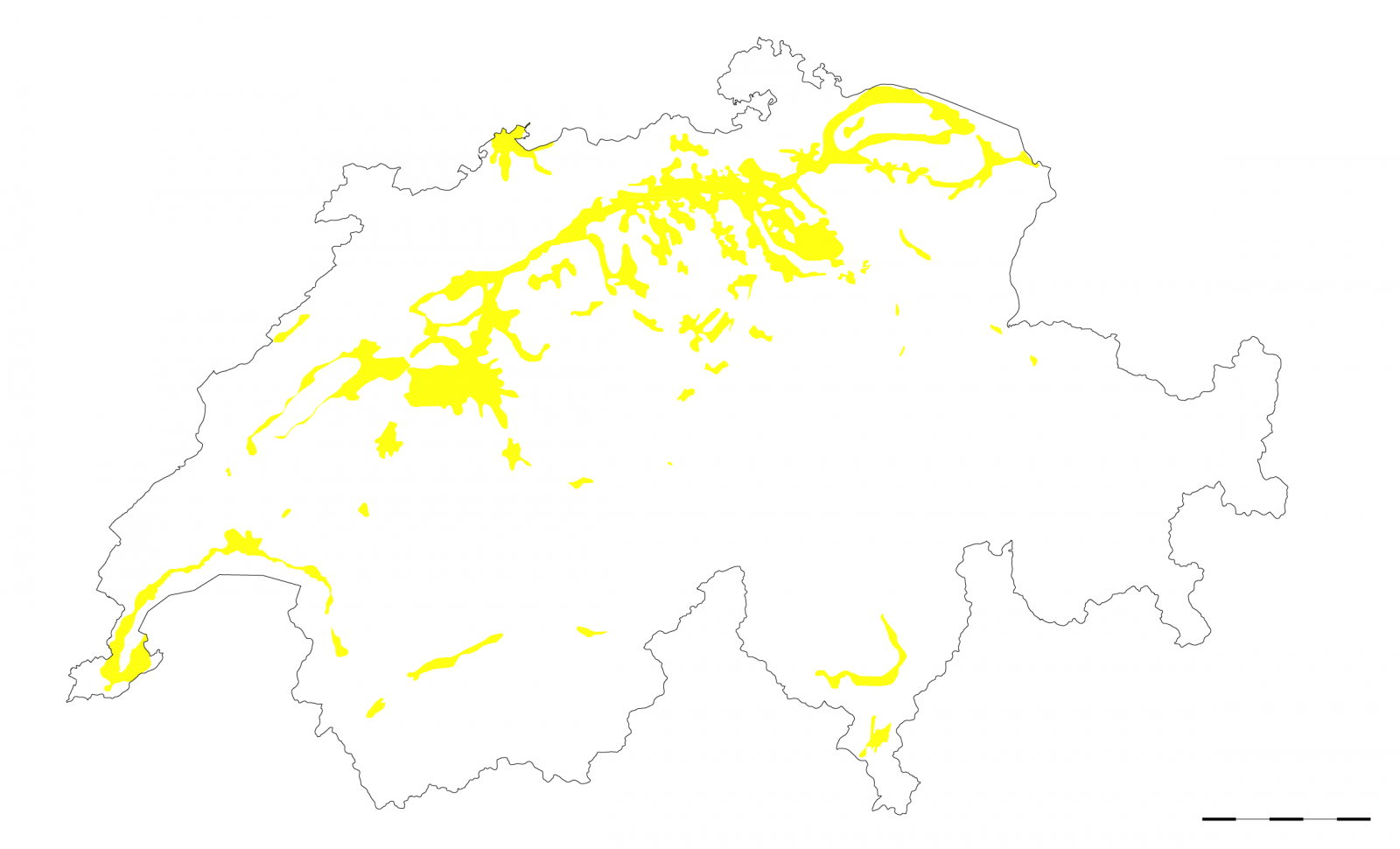
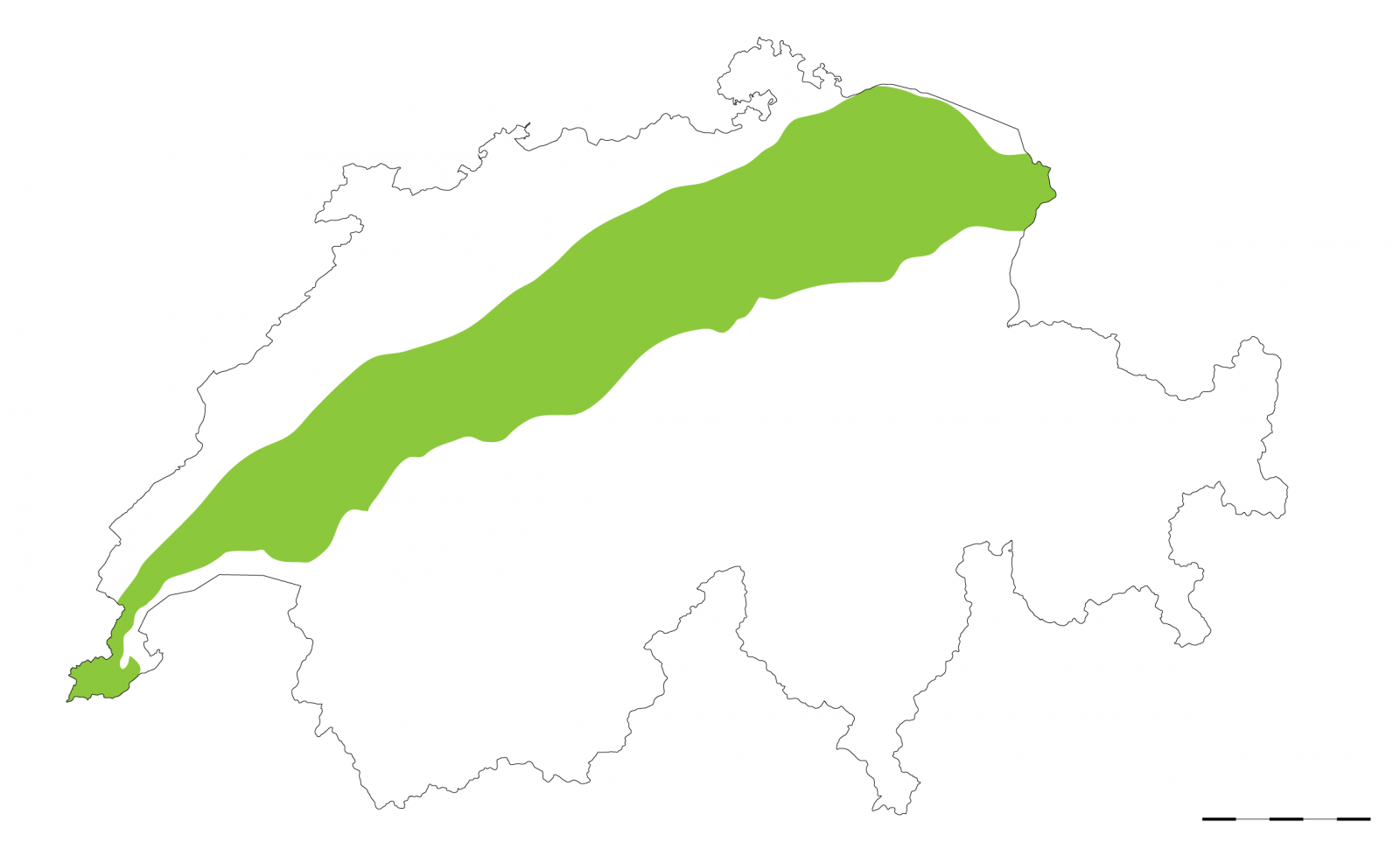
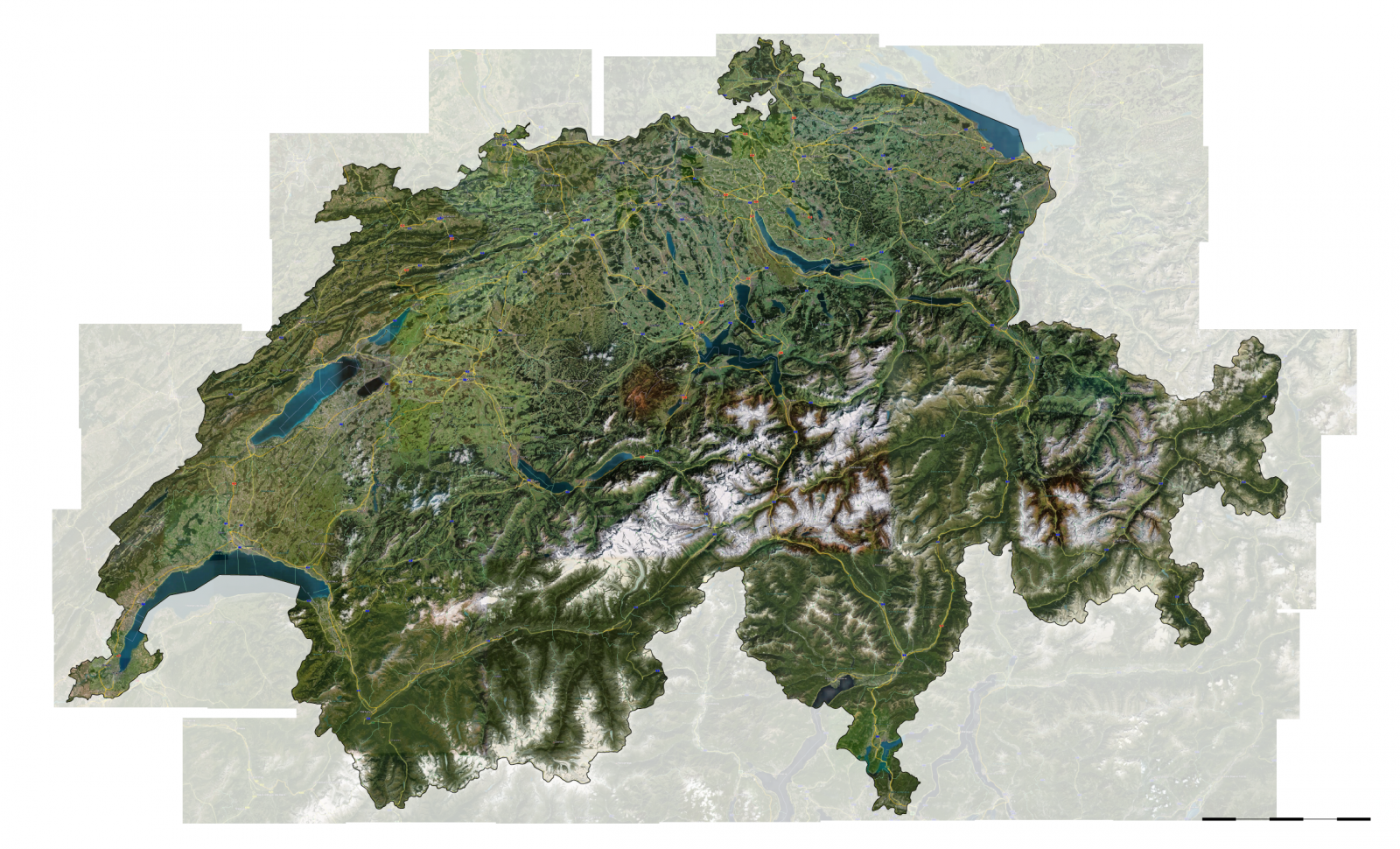
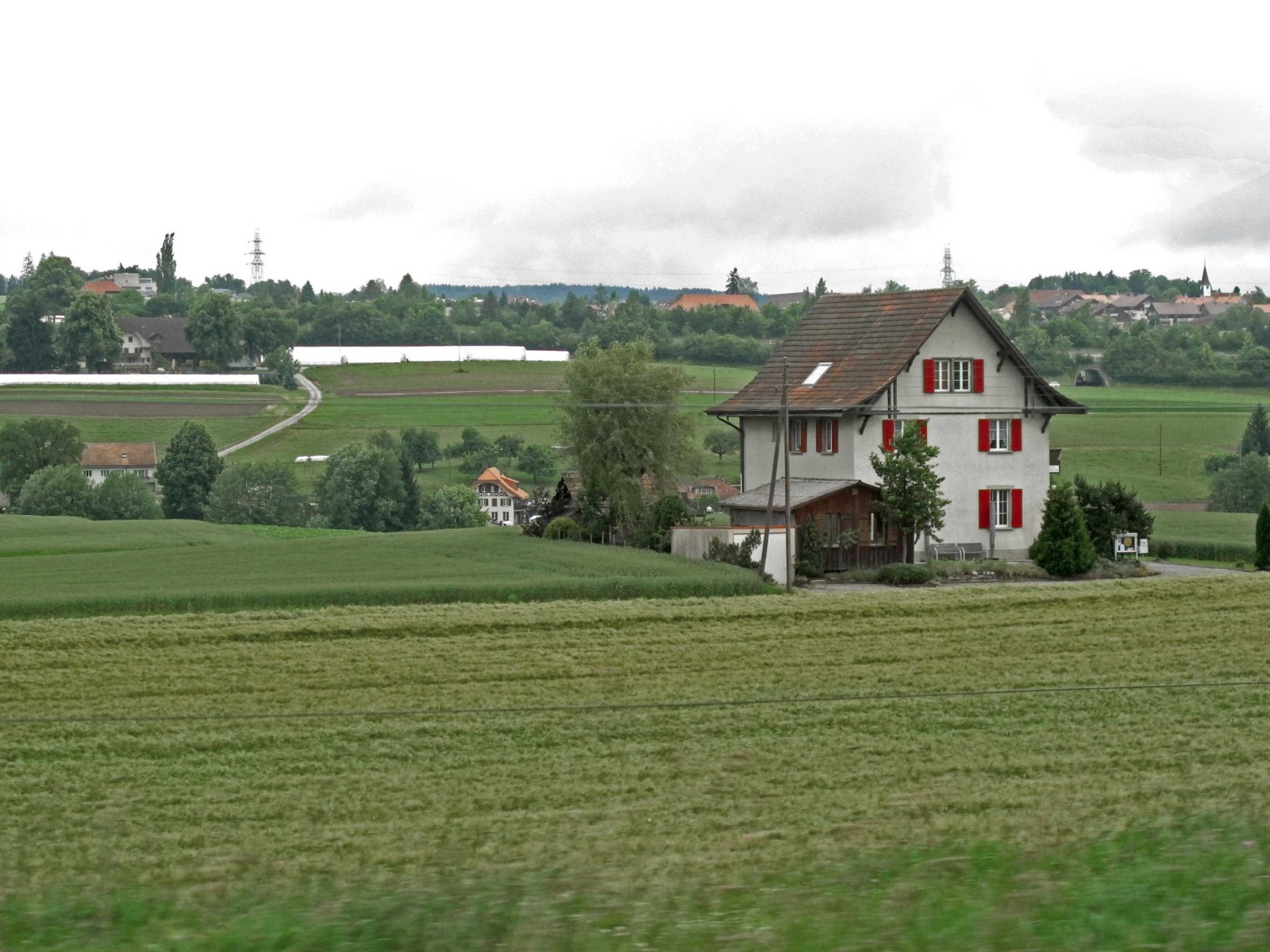
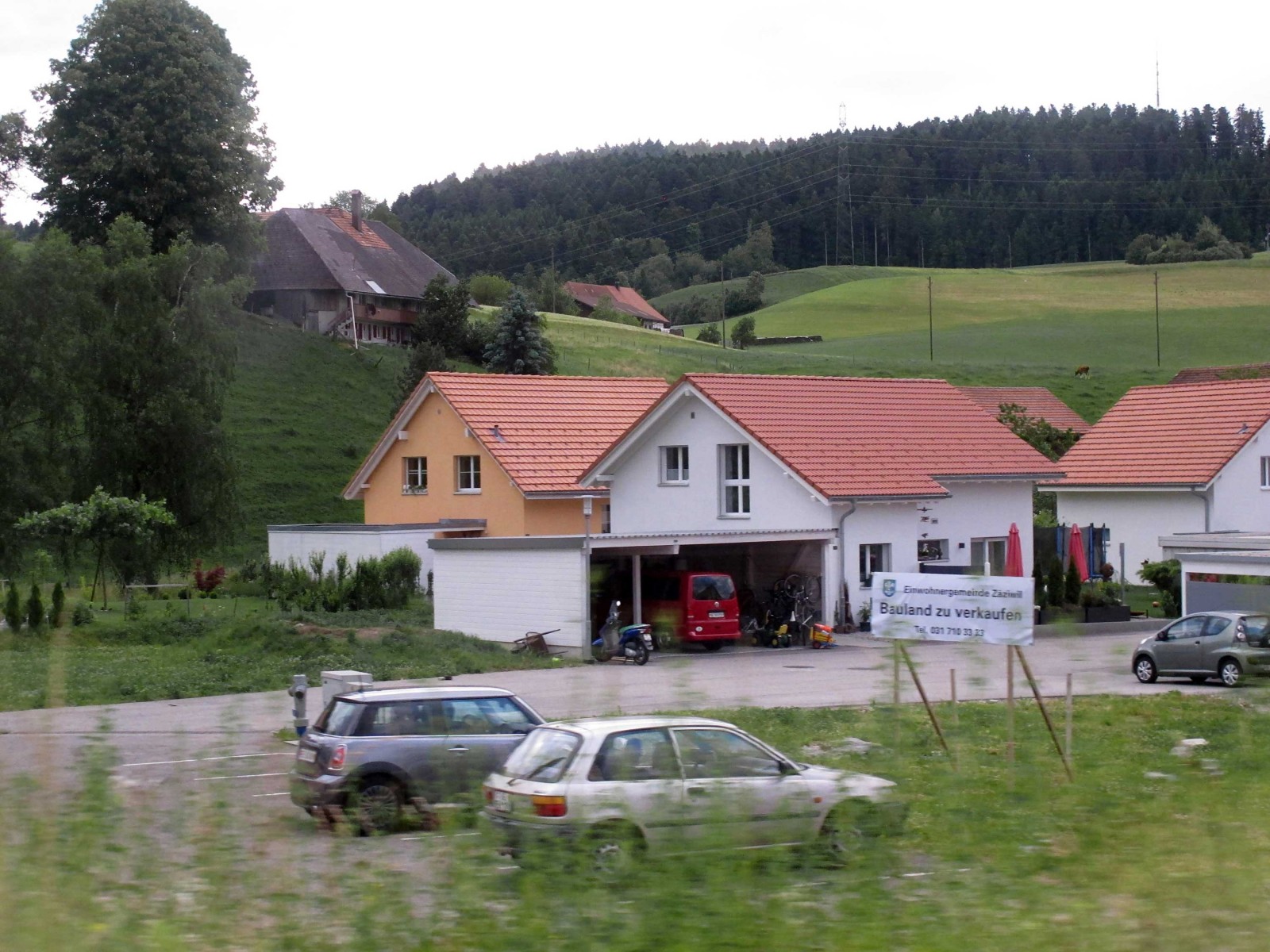
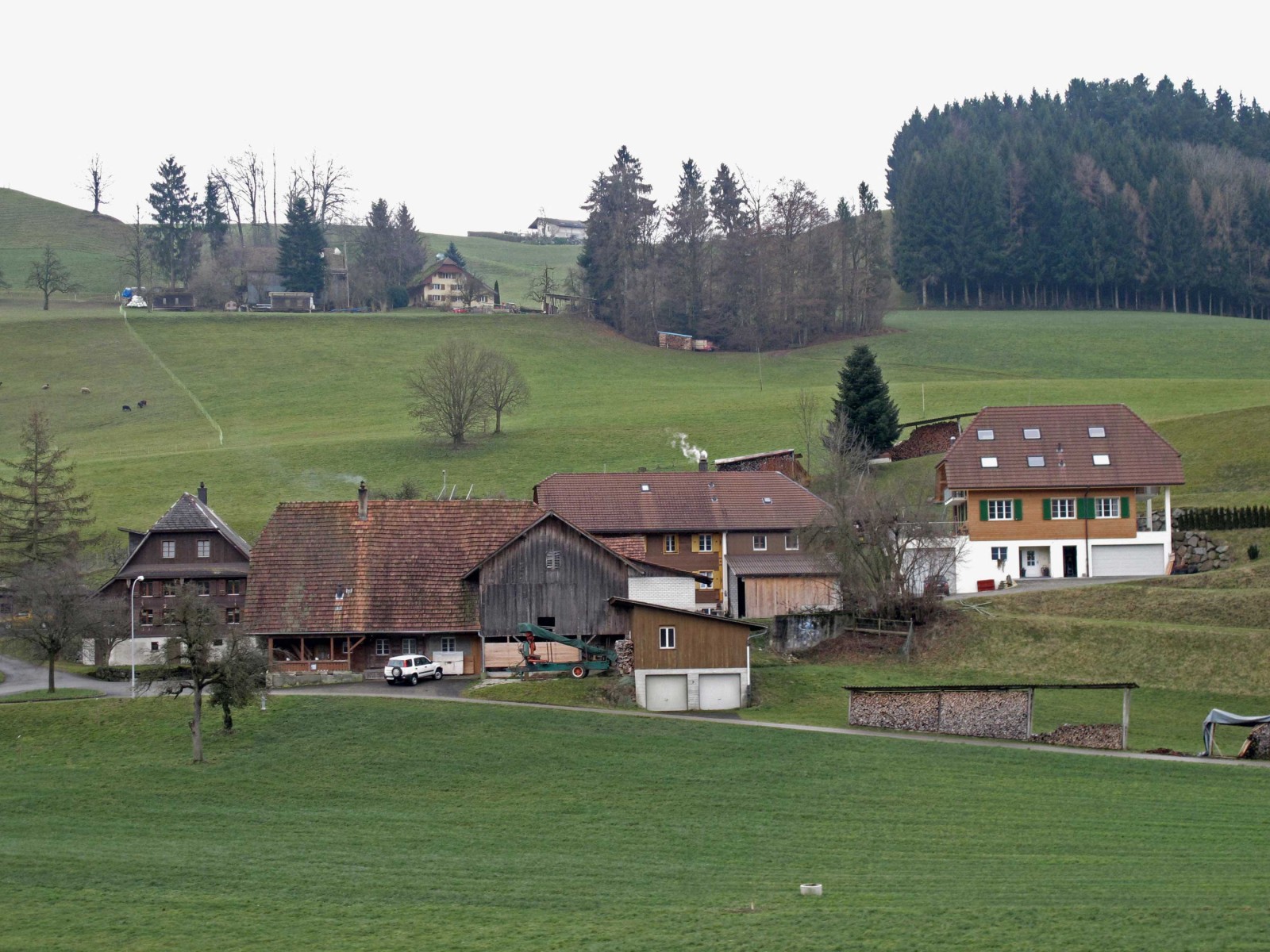
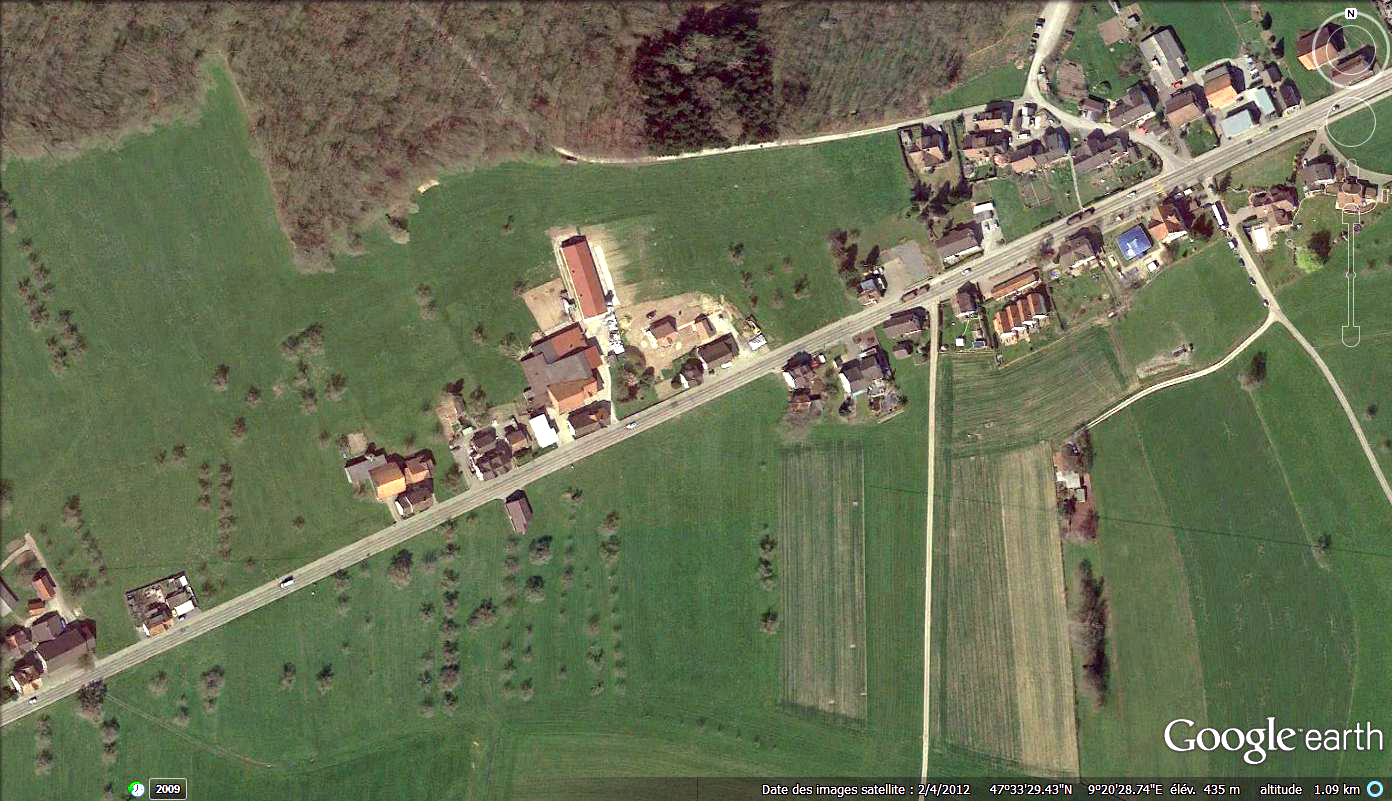
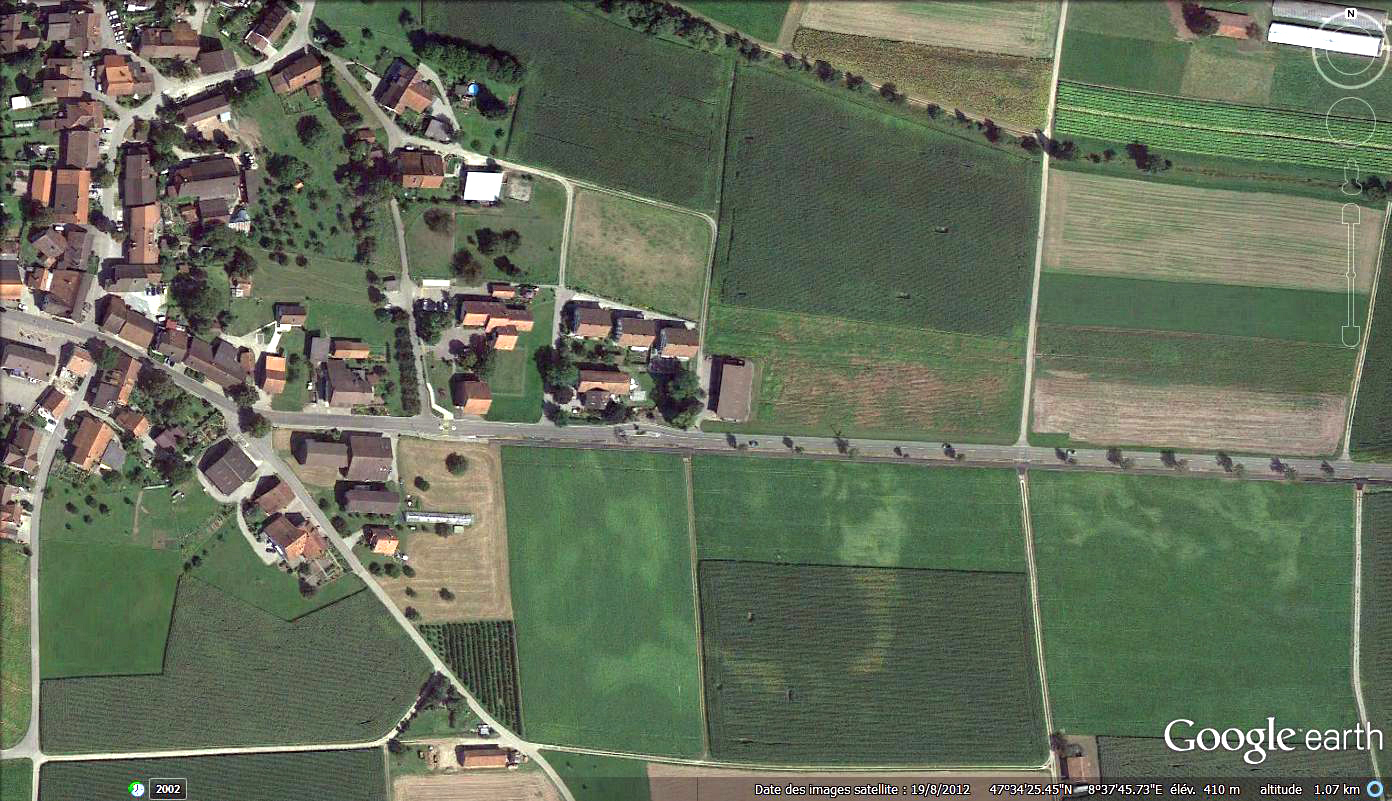
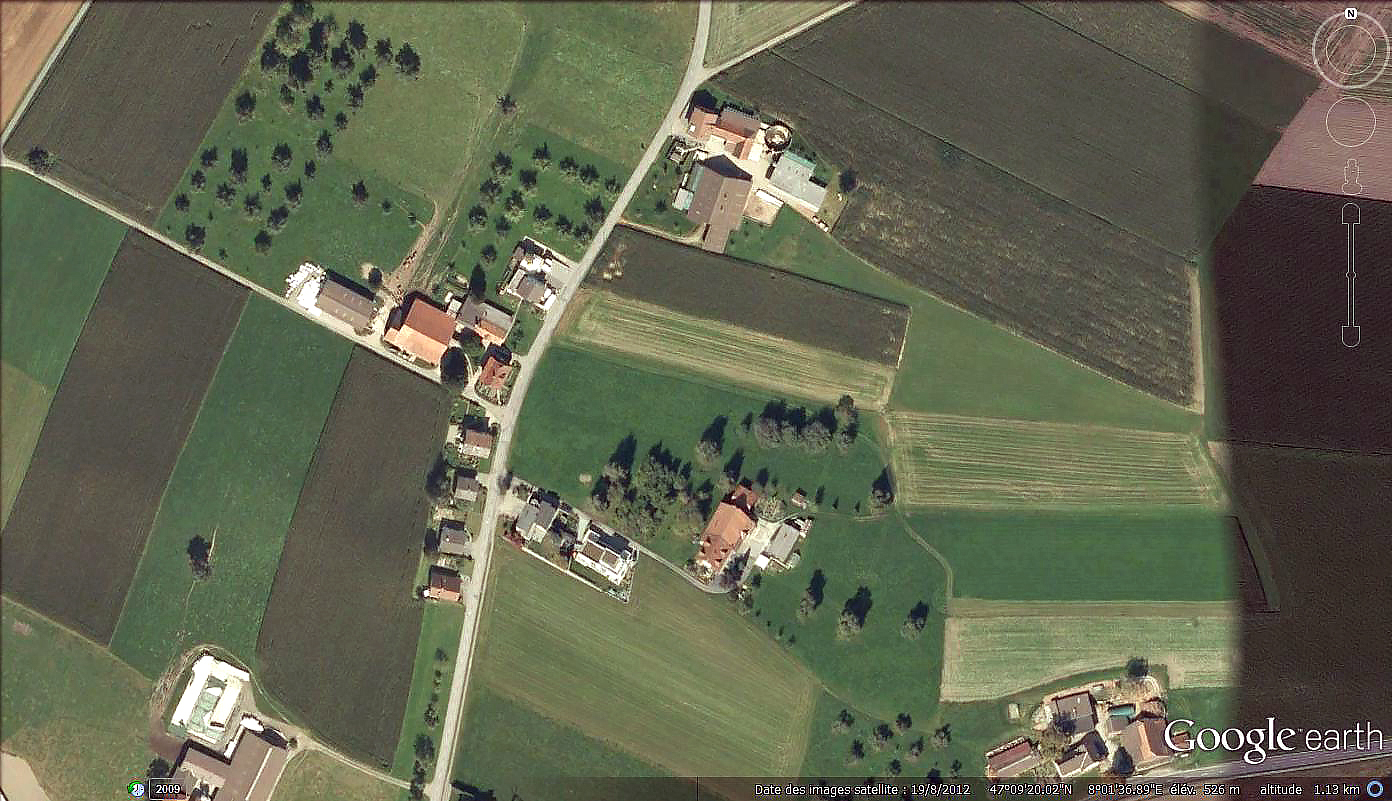
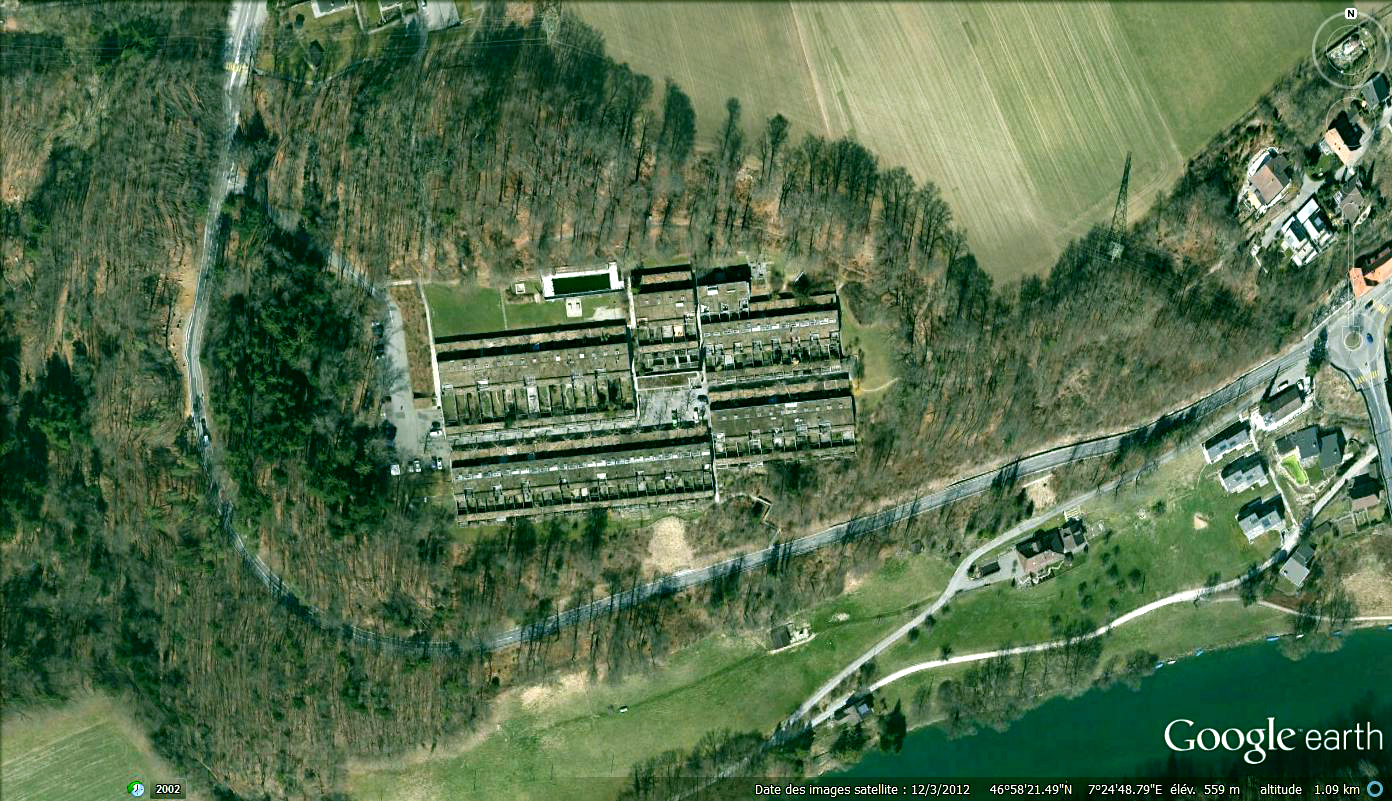
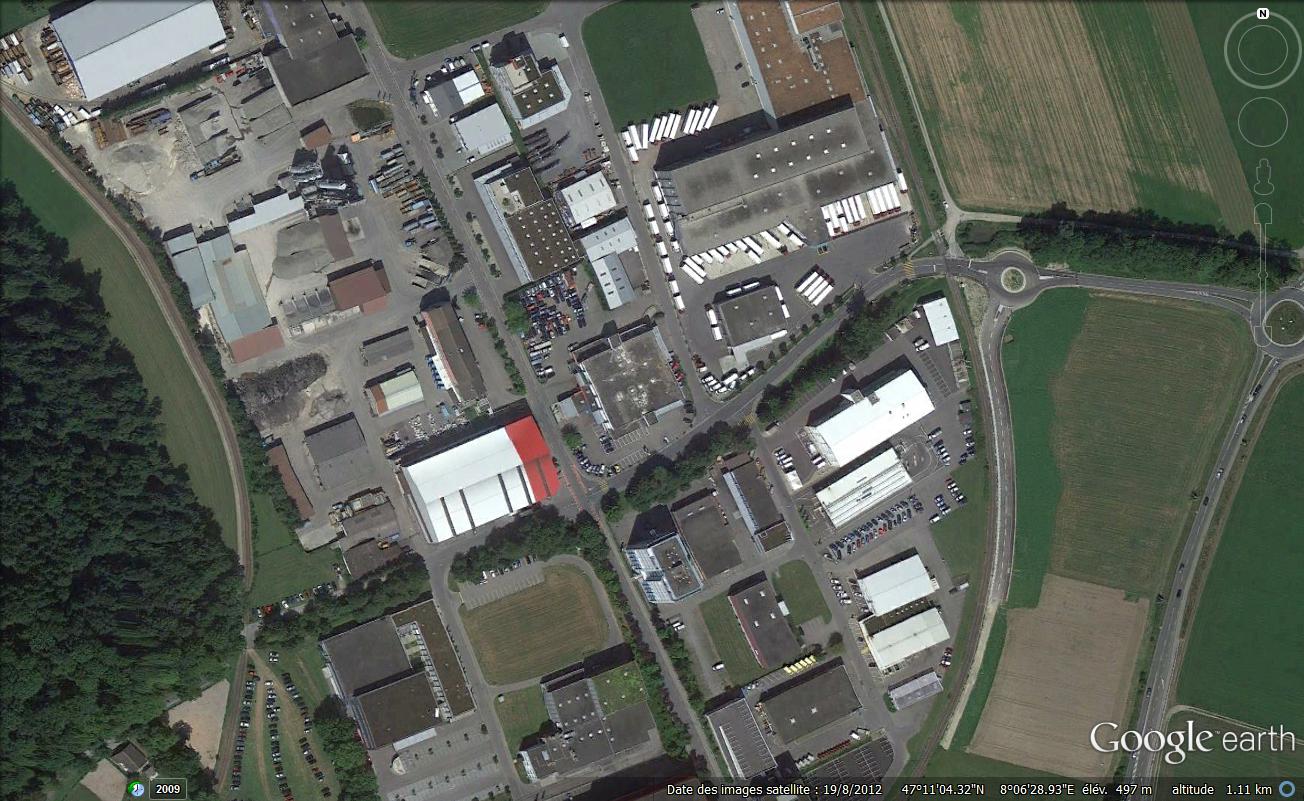
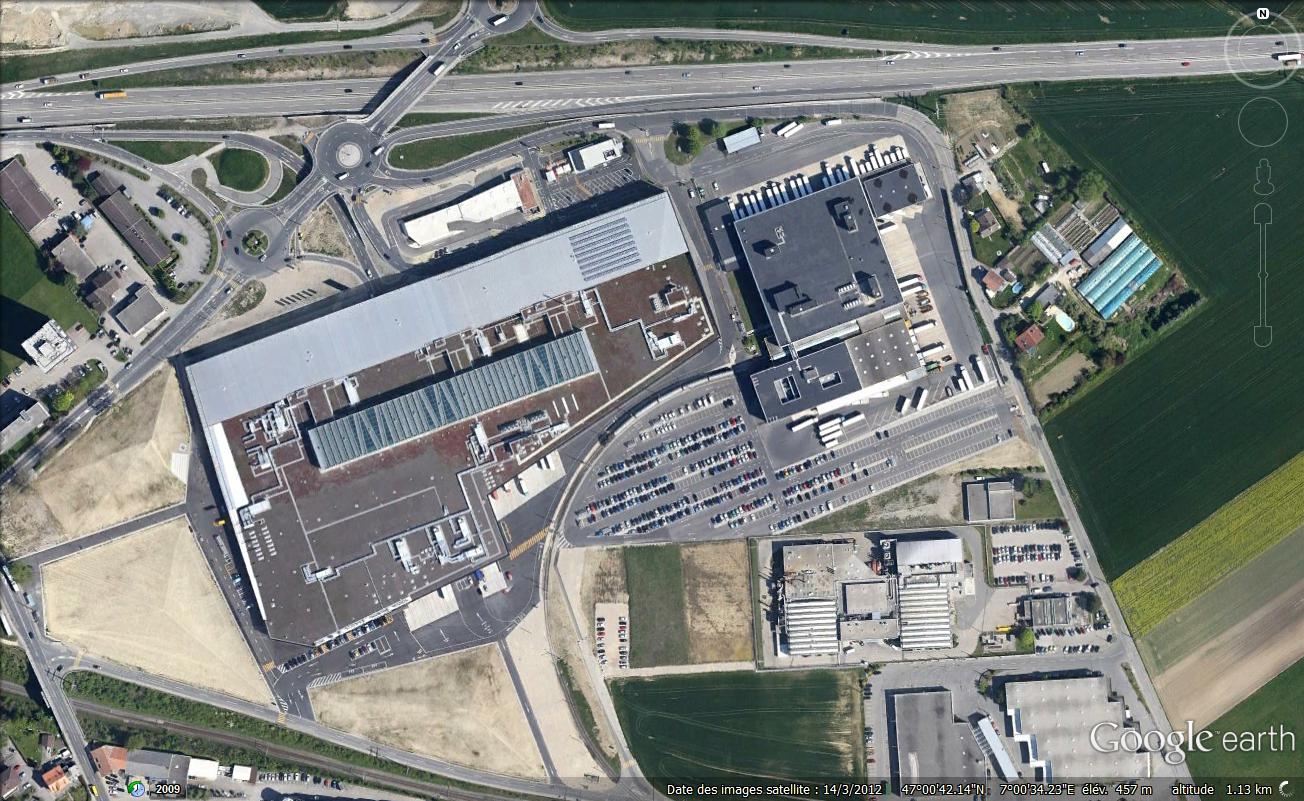
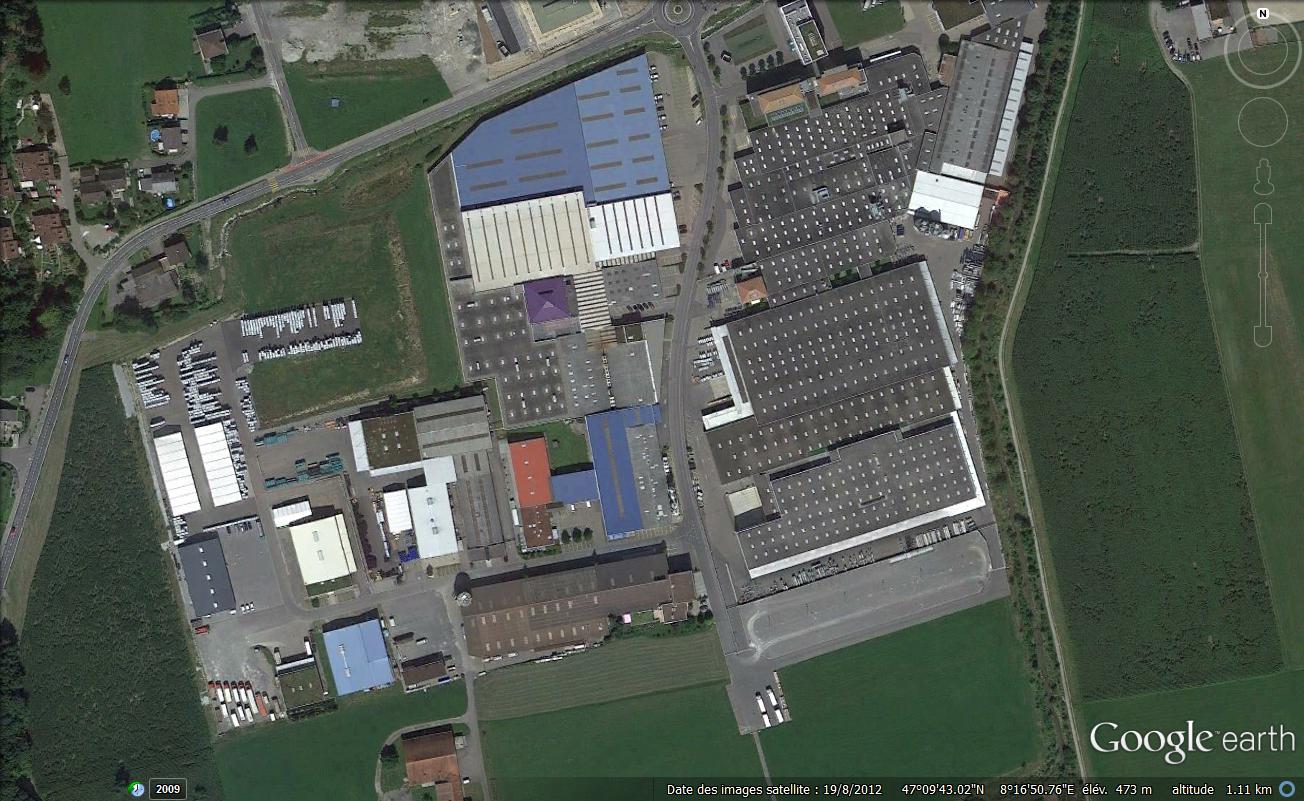
Swiss landscape is divided in three main regions, The Jura is a hilly and average altitude area, the plateau is the densest area and it is flat and slightly hilly. Agriculture and forest make it a very green zone where urbanization is more important every day. The third zone is the Alpine zone. This zone is of very low urbanization due to its topography.
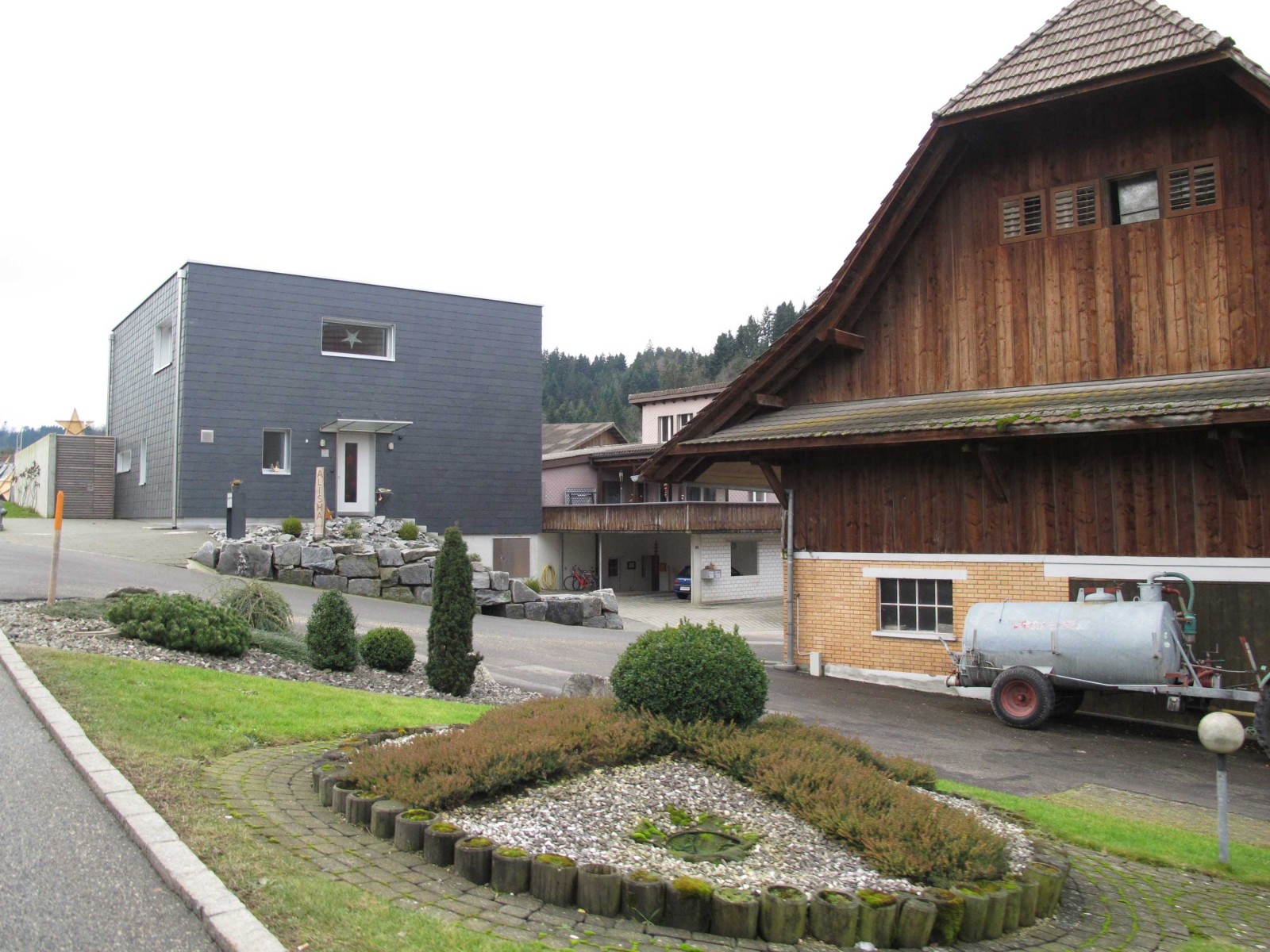
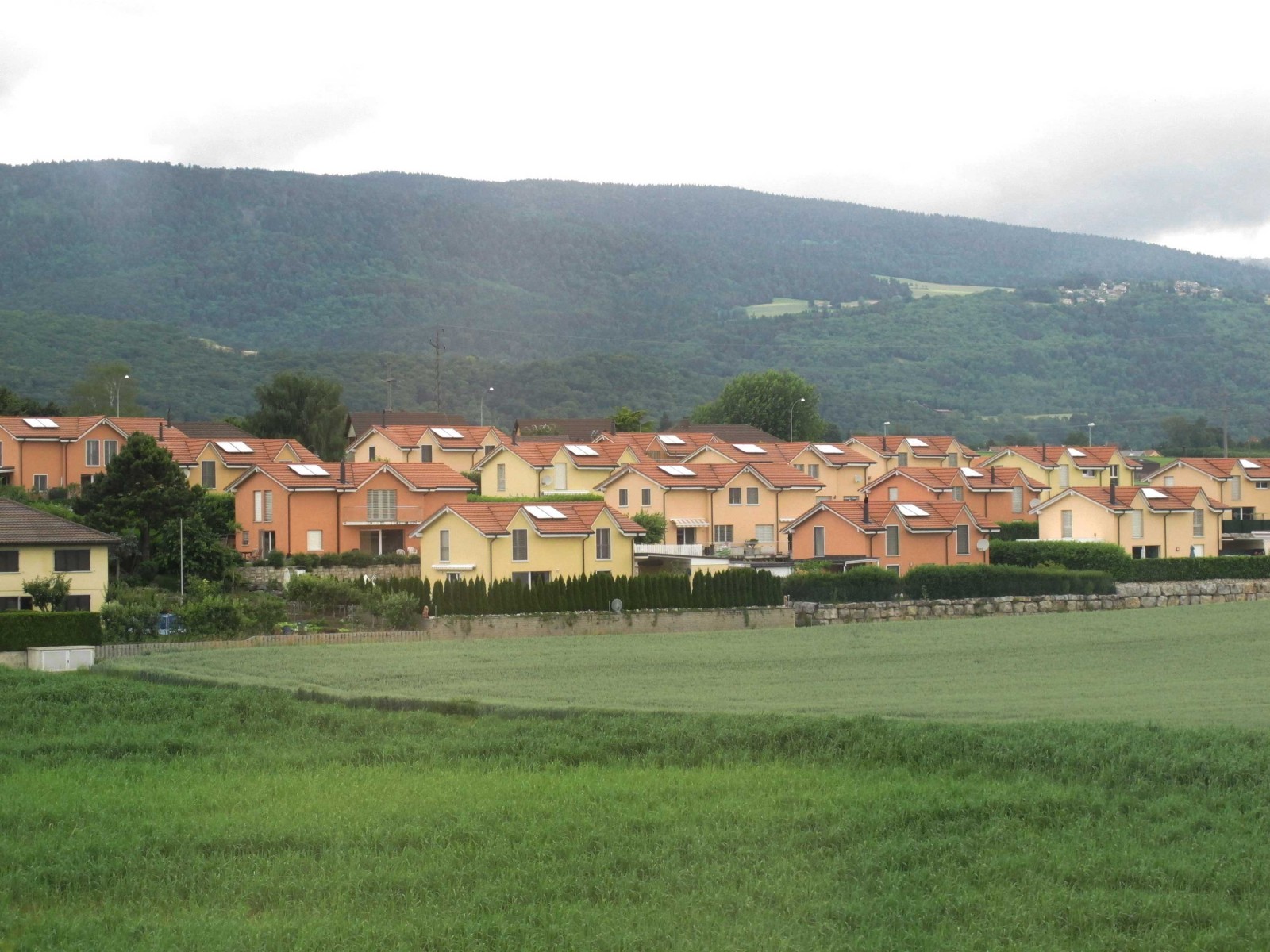
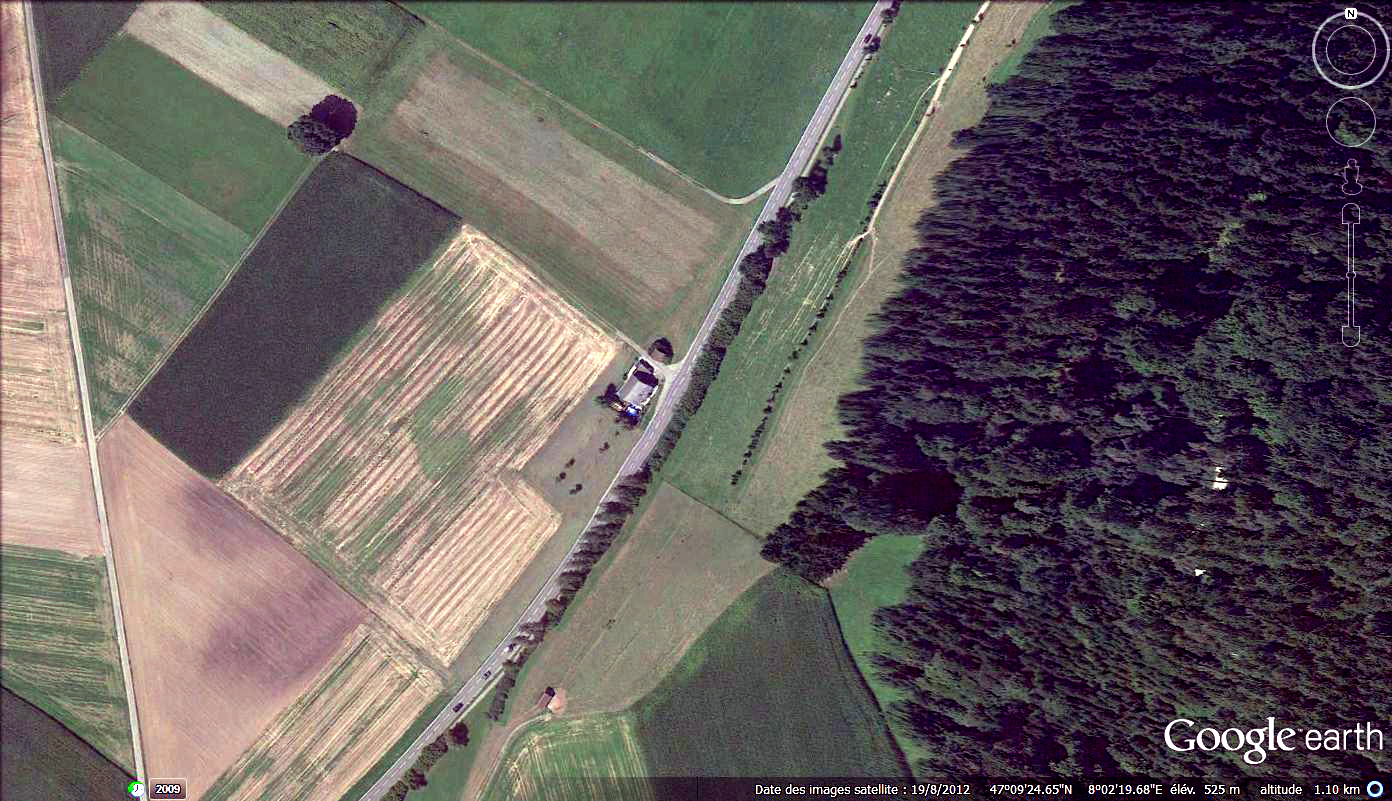
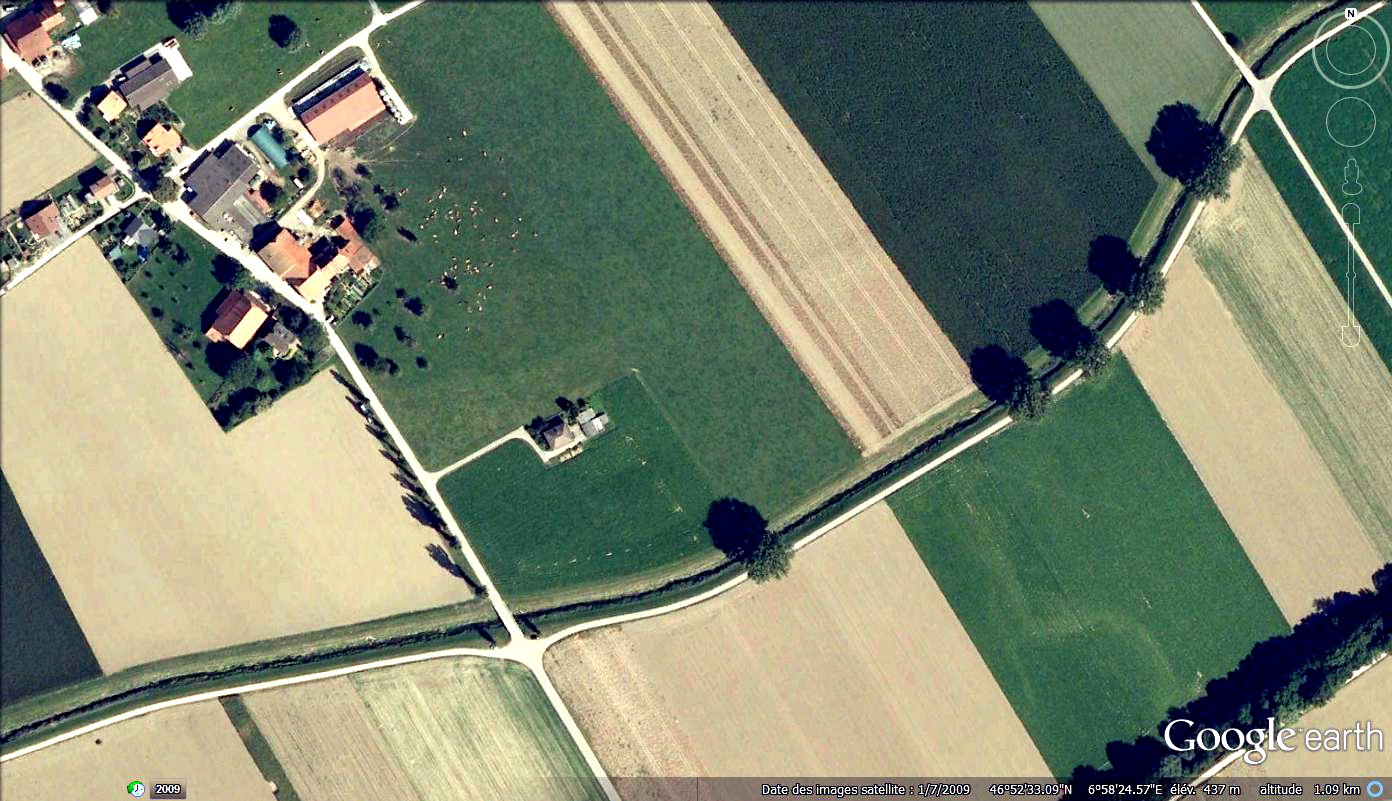
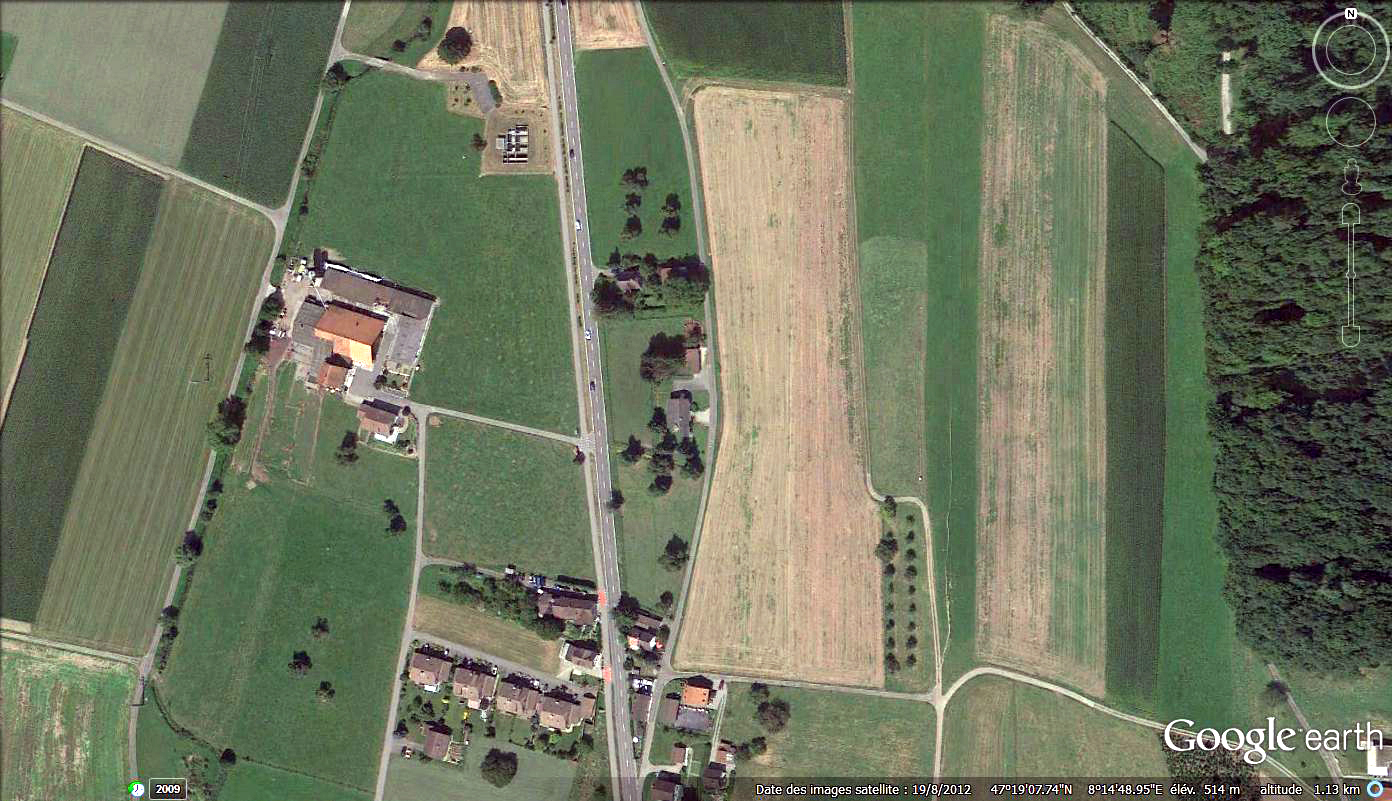
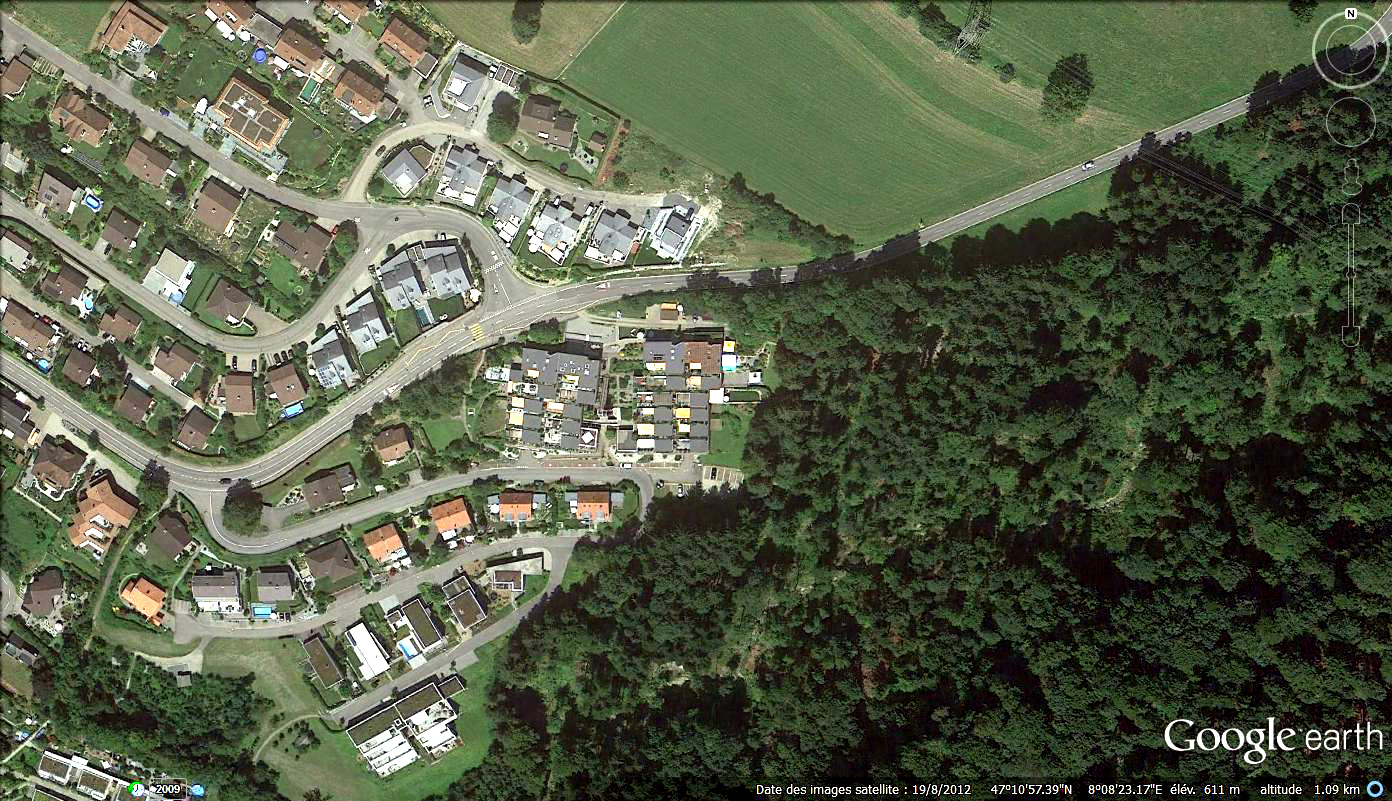
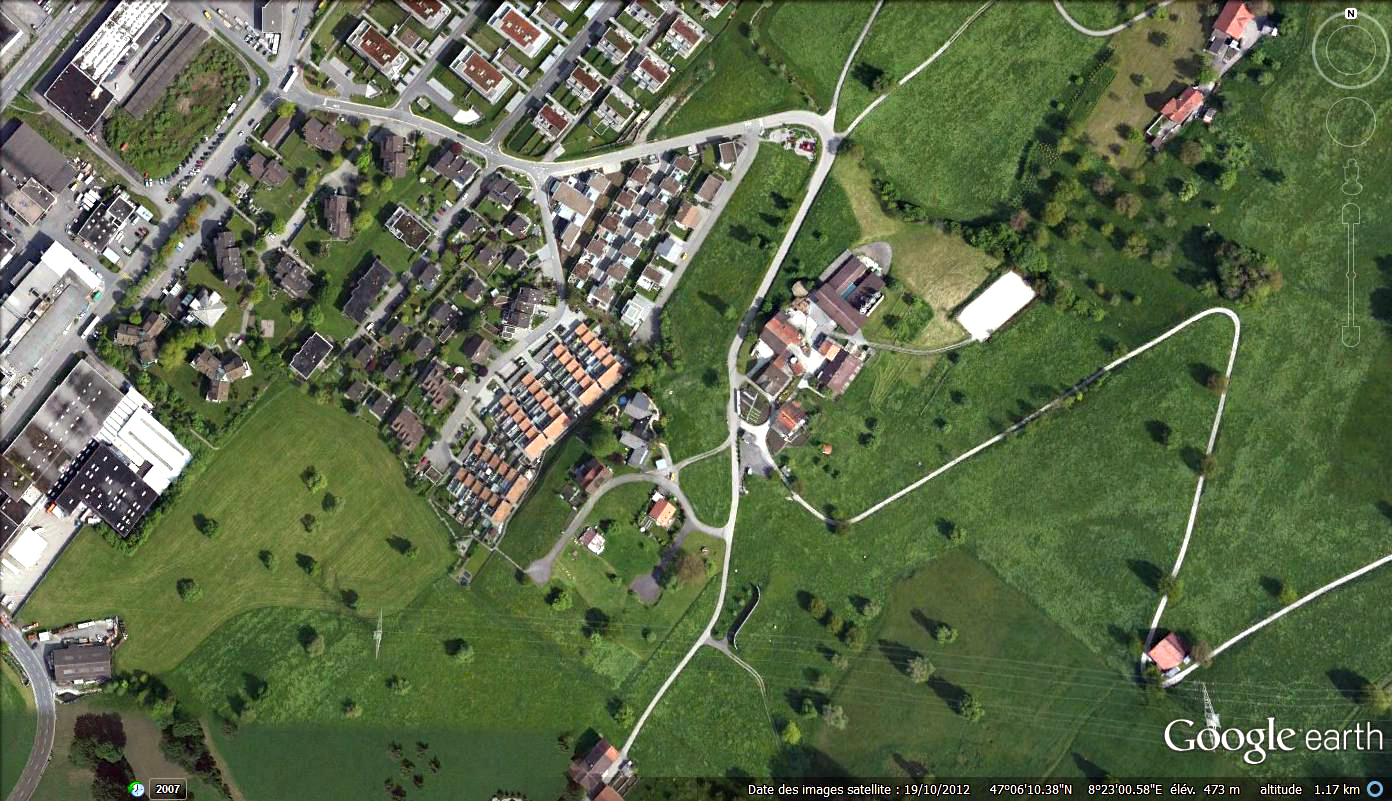
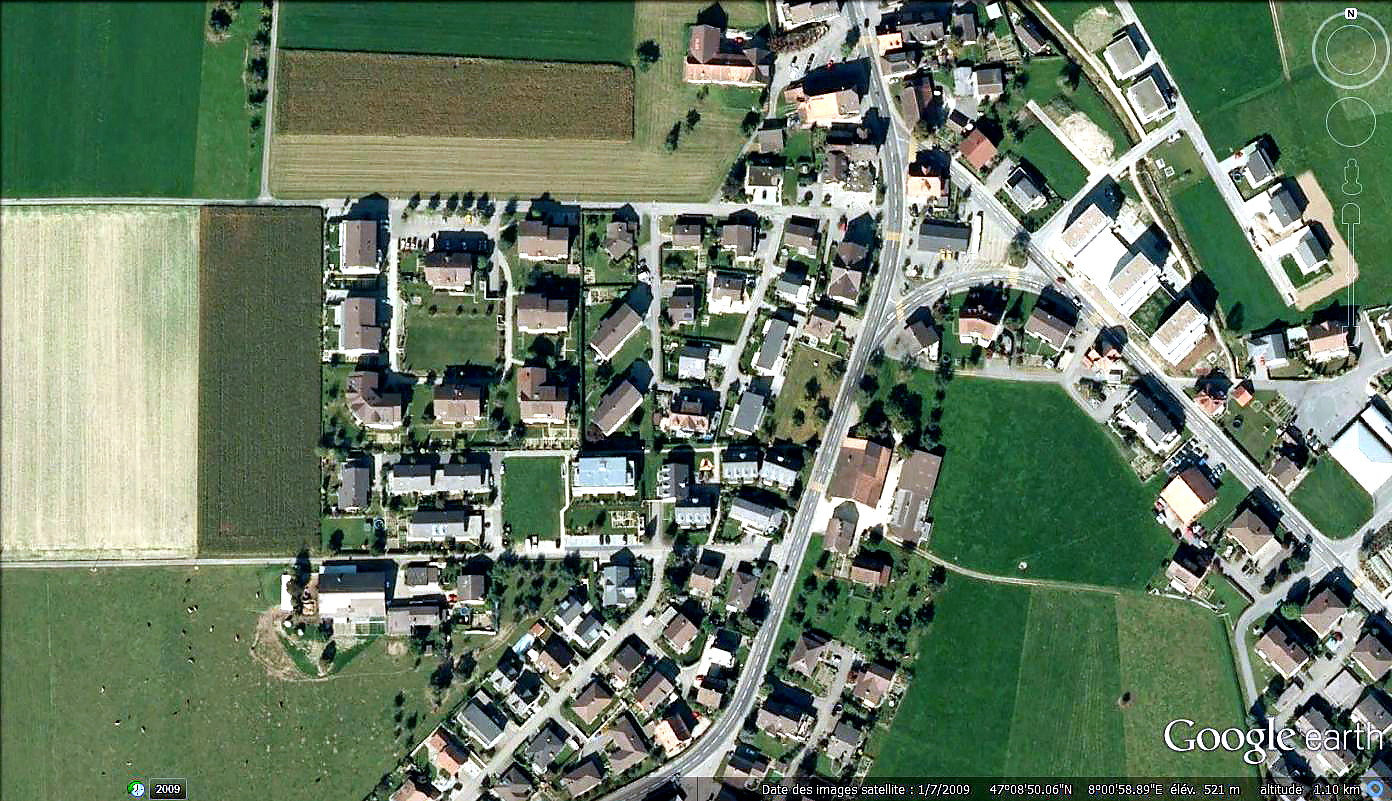
Our research is focused on the plateau as it is the most built and sprawled zone. A wide range of vegetables and cereals are cultivated and stand next to small scale forest, giving an impression of a very green zone. This is of importance for the collective mental image of the country as it is perceived as an agricultural and green country and absolutely not as a built and infrastructured area.

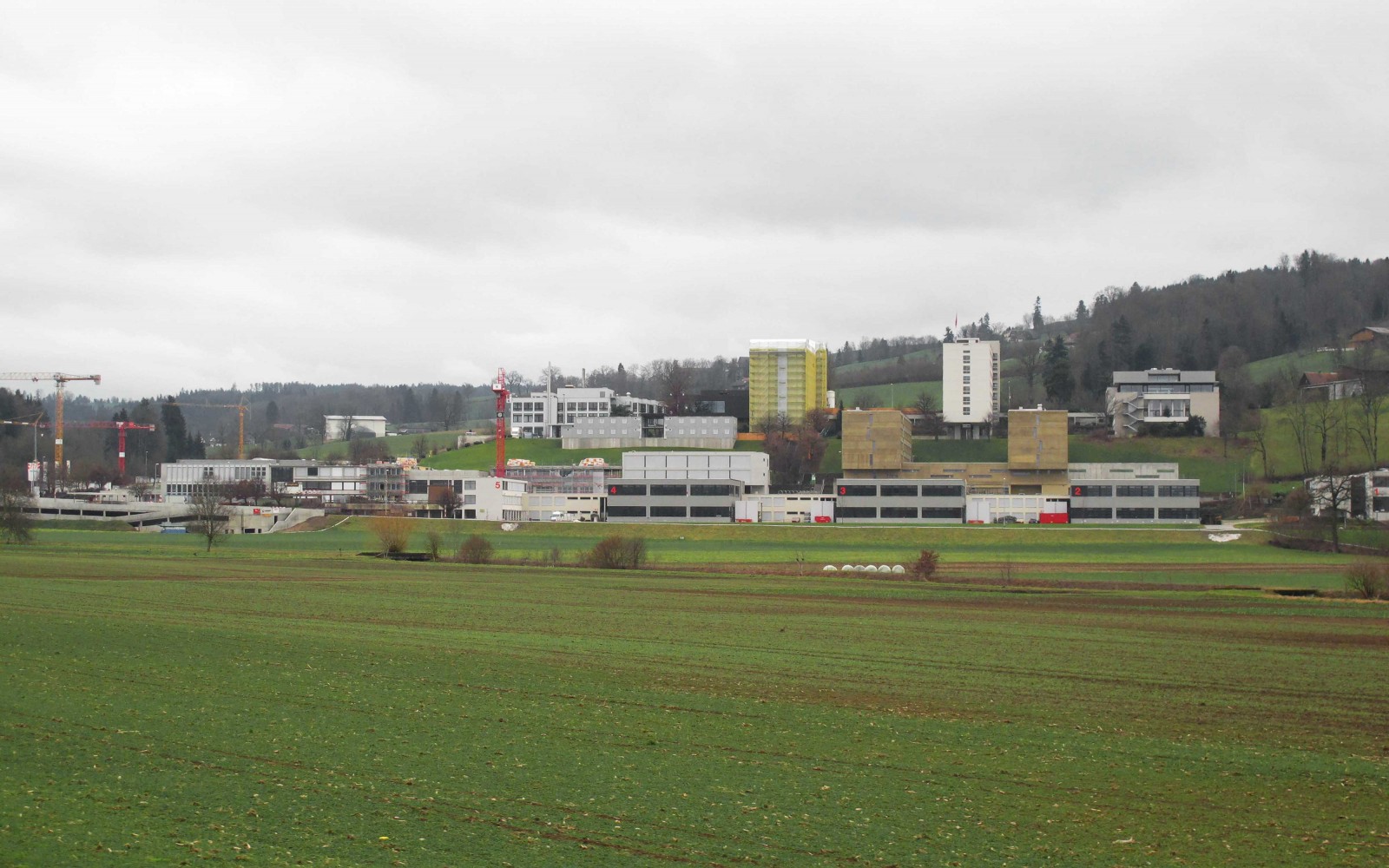
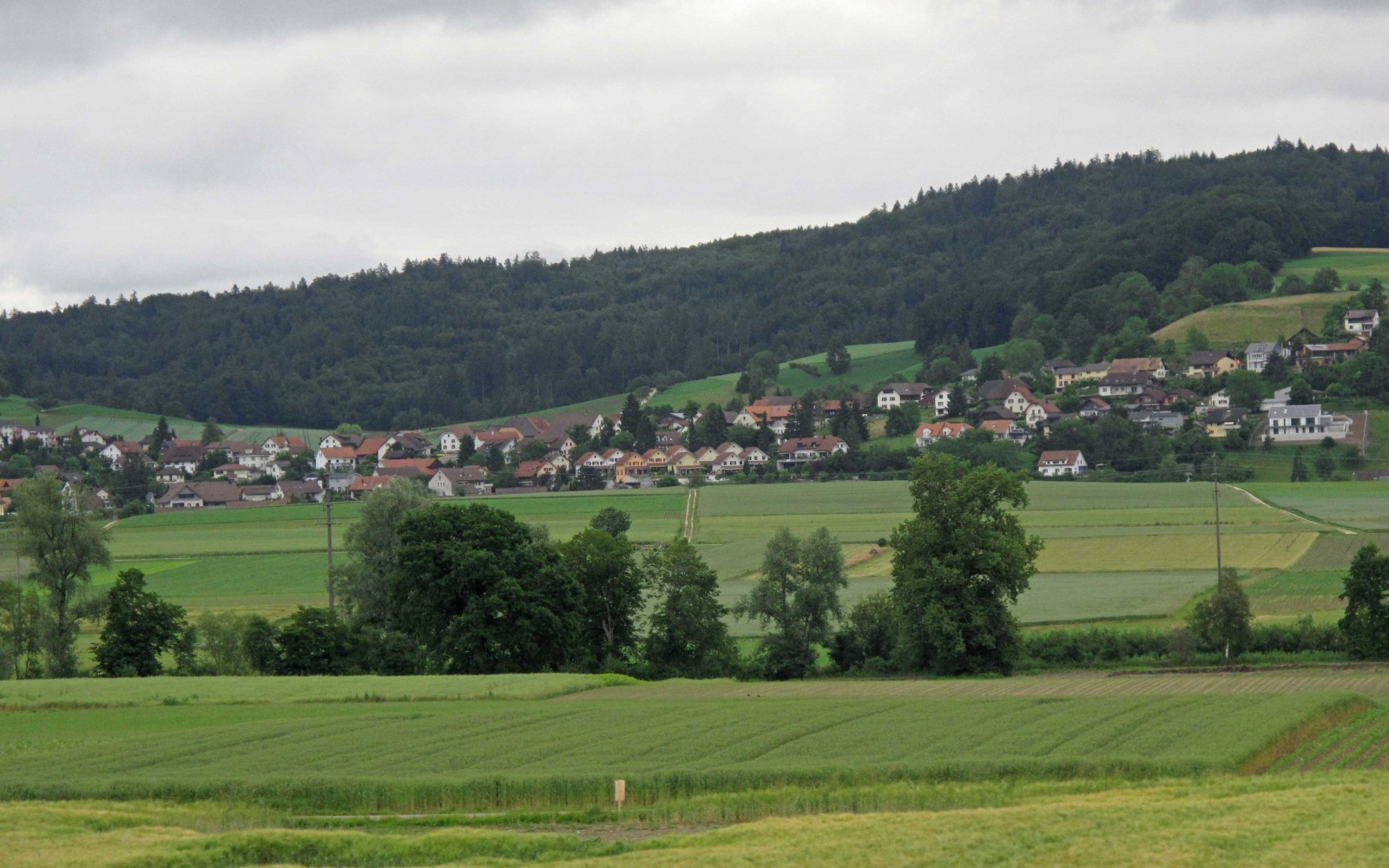


Our research is focused on the plateau as it is the most built and sprawled zone. A wide range of vegetables and cereals are cultivated and stand next to small scale forest, giving an impression of a very green zone. This is of importance for the collective mental image of the country as it is perceived as an agricultural and green country and absolutely not as a built and infrastructured area.
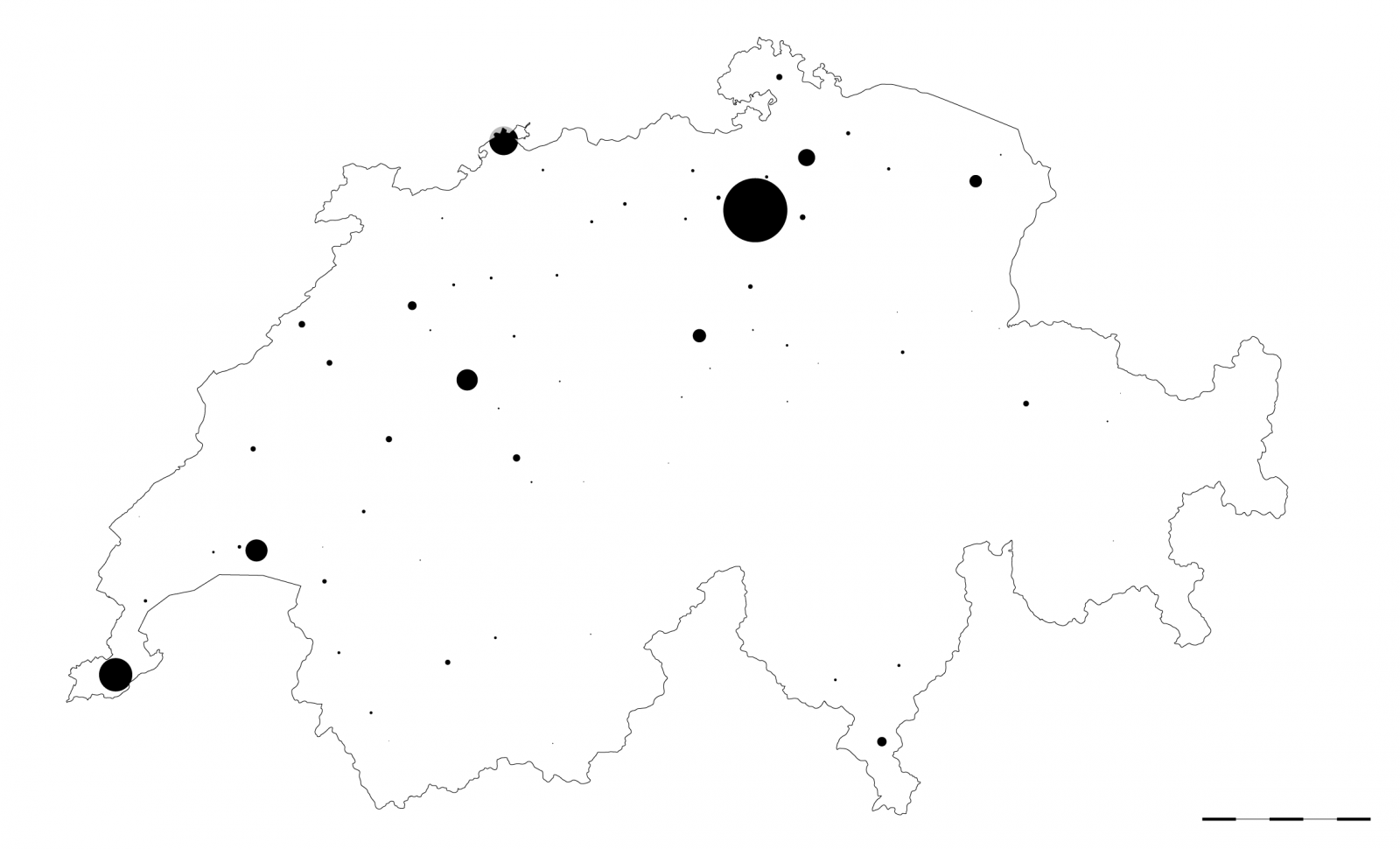
DENSITY



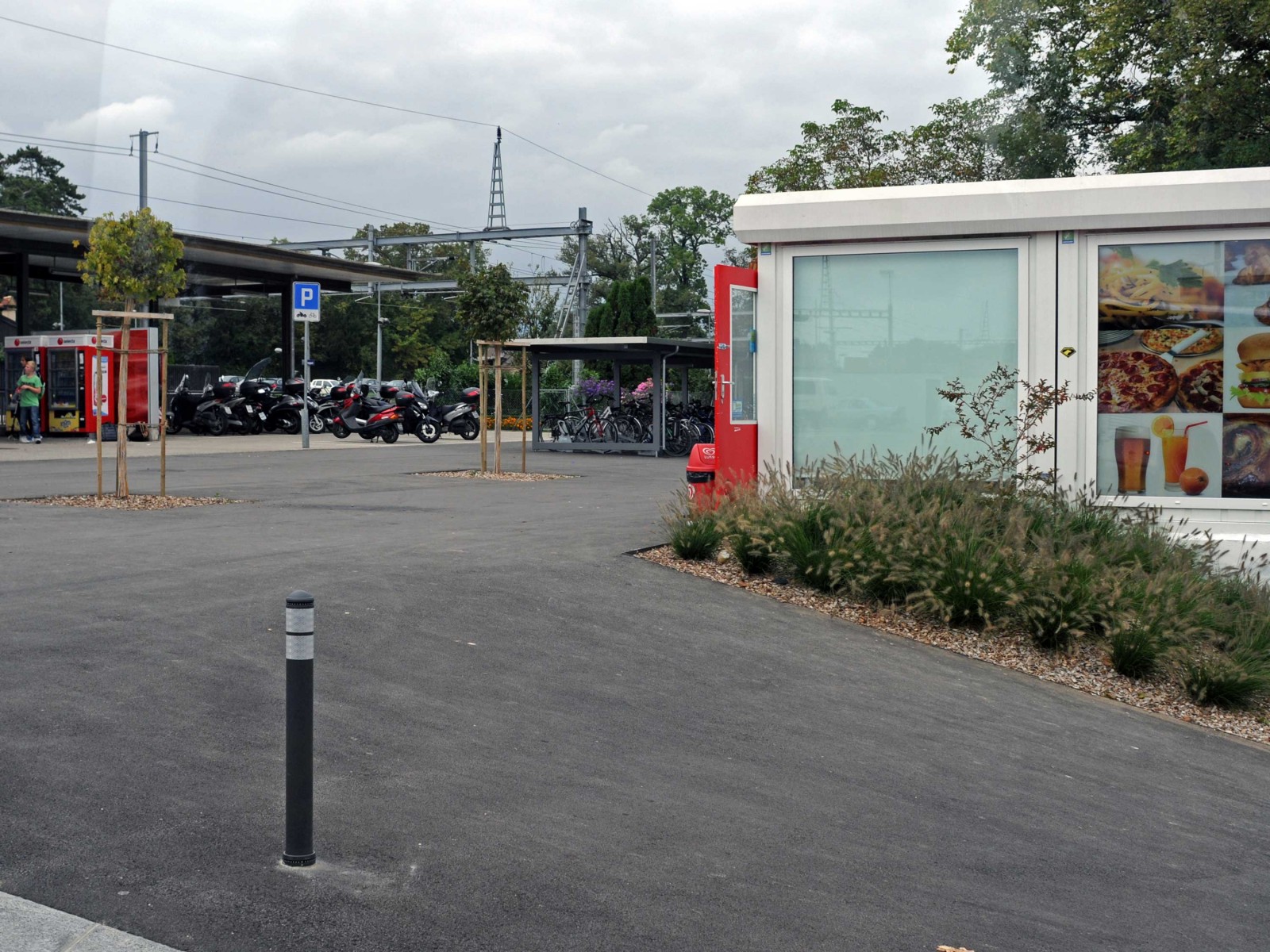
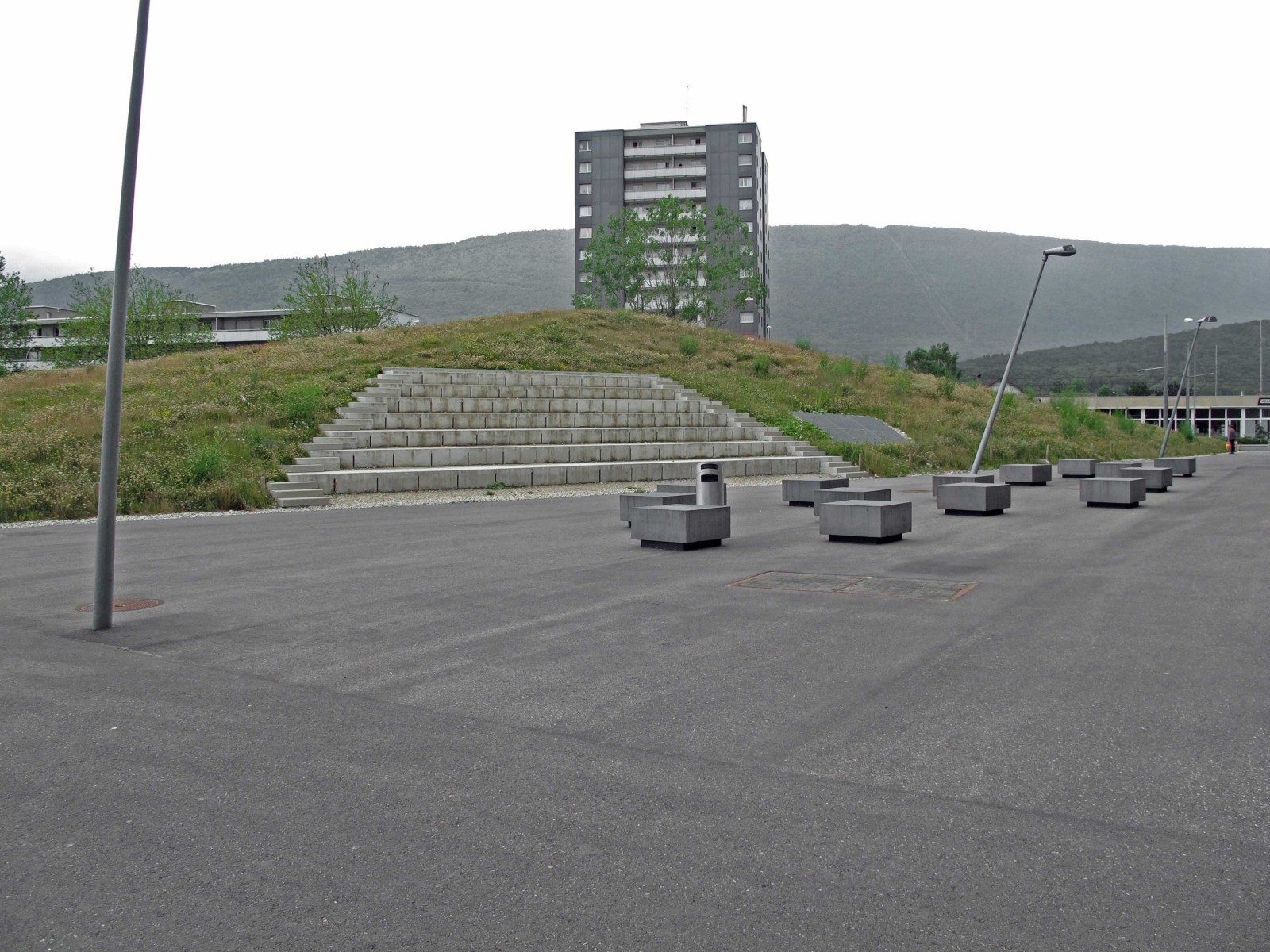
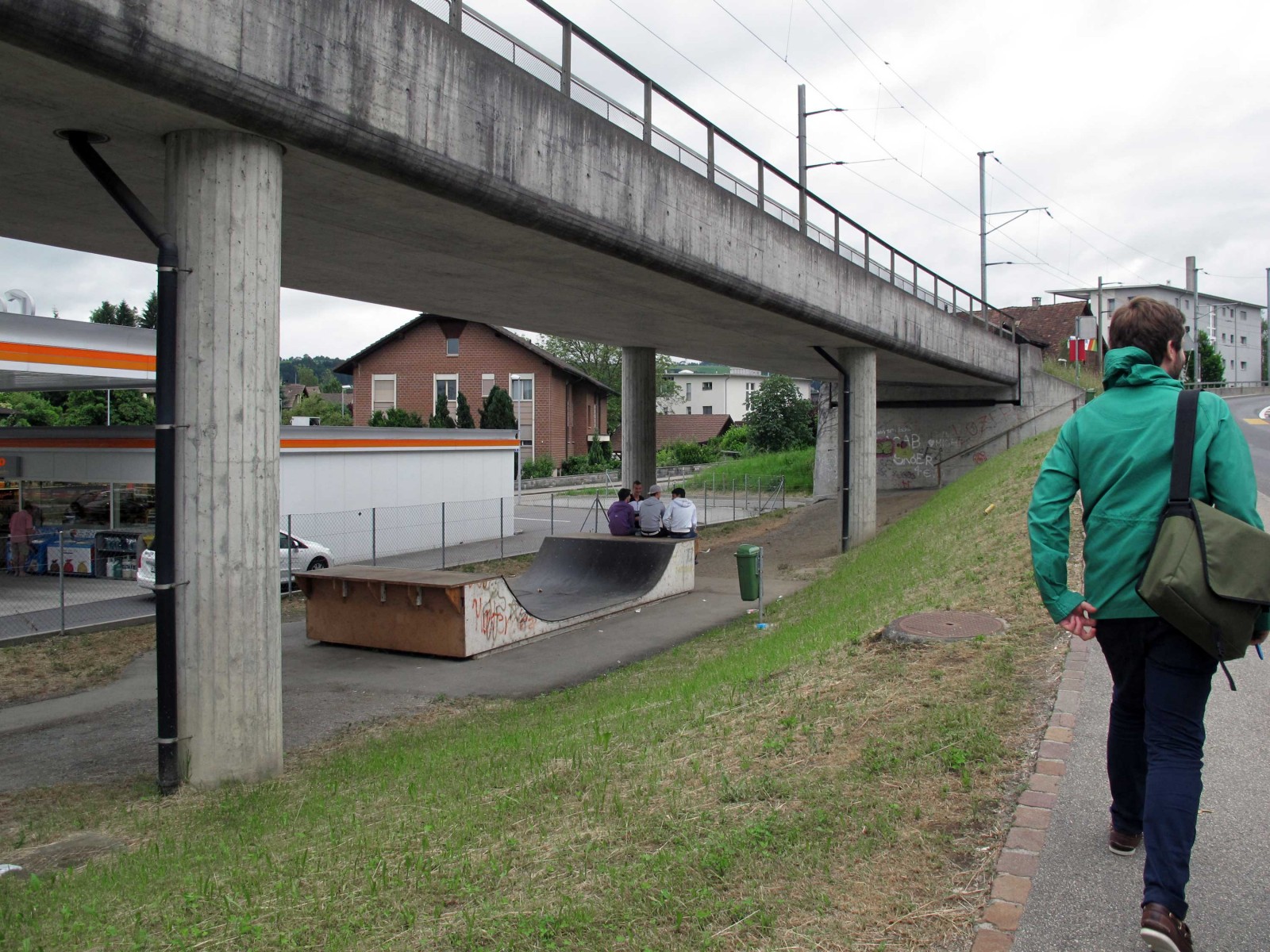
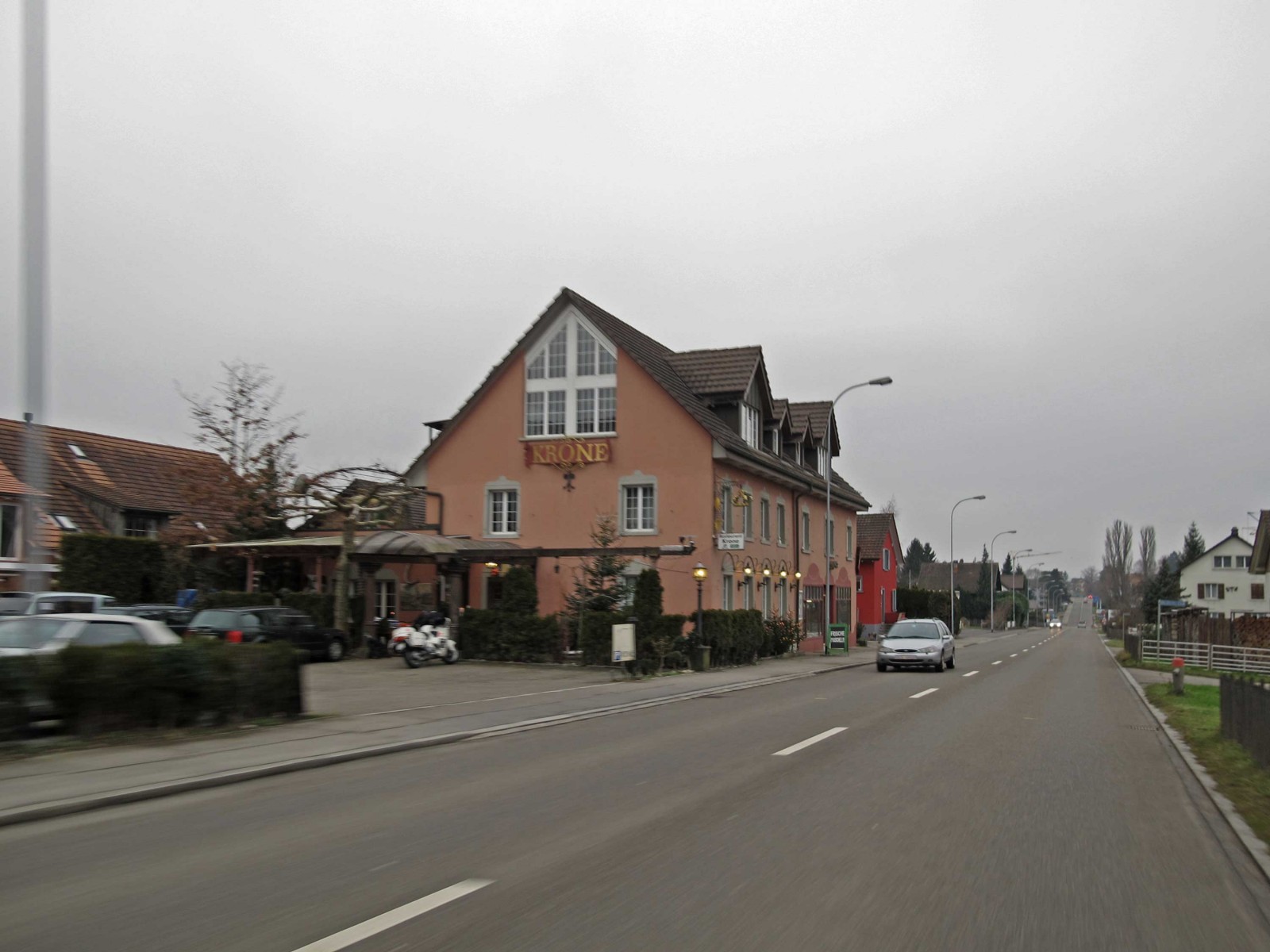
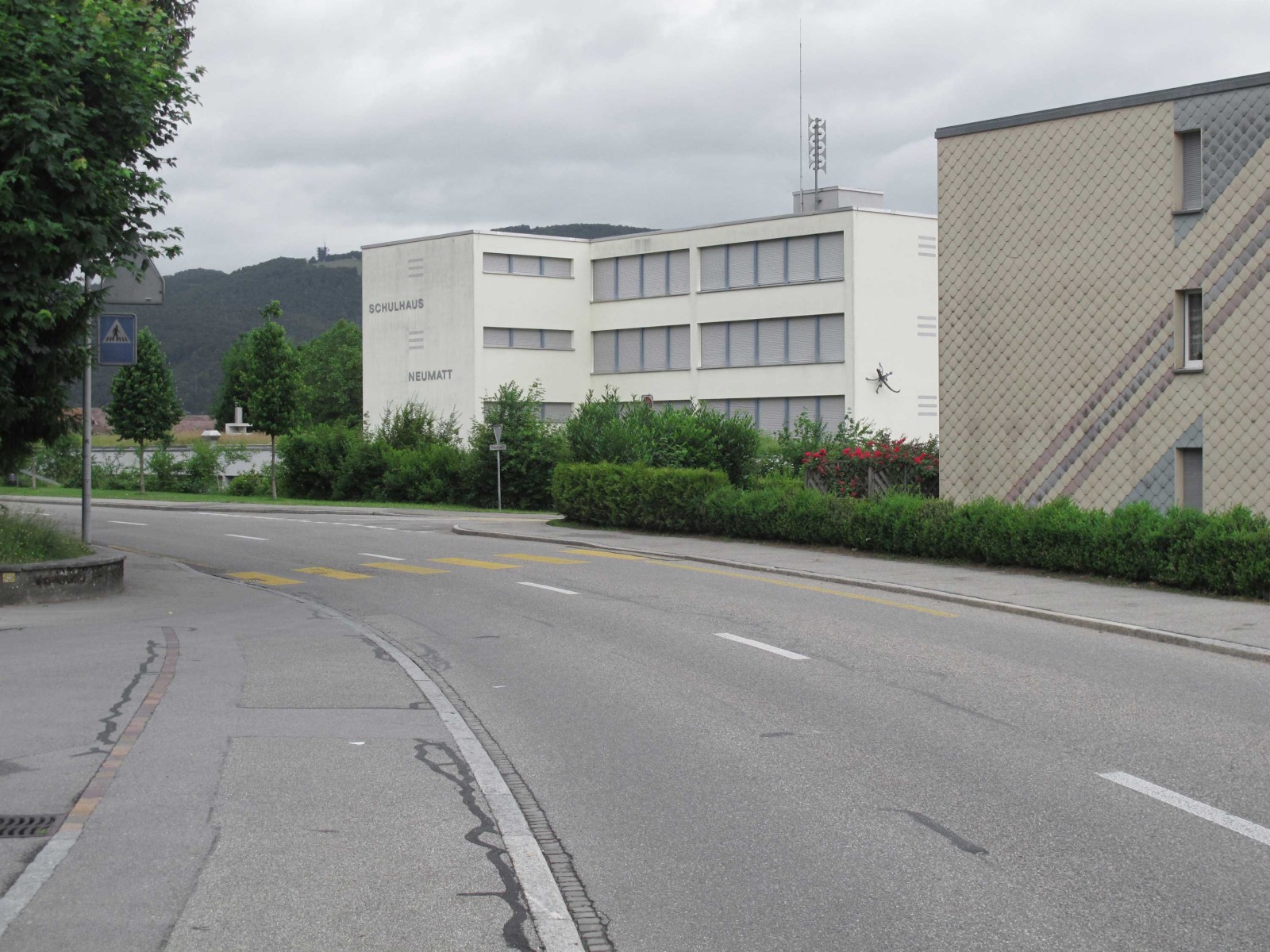
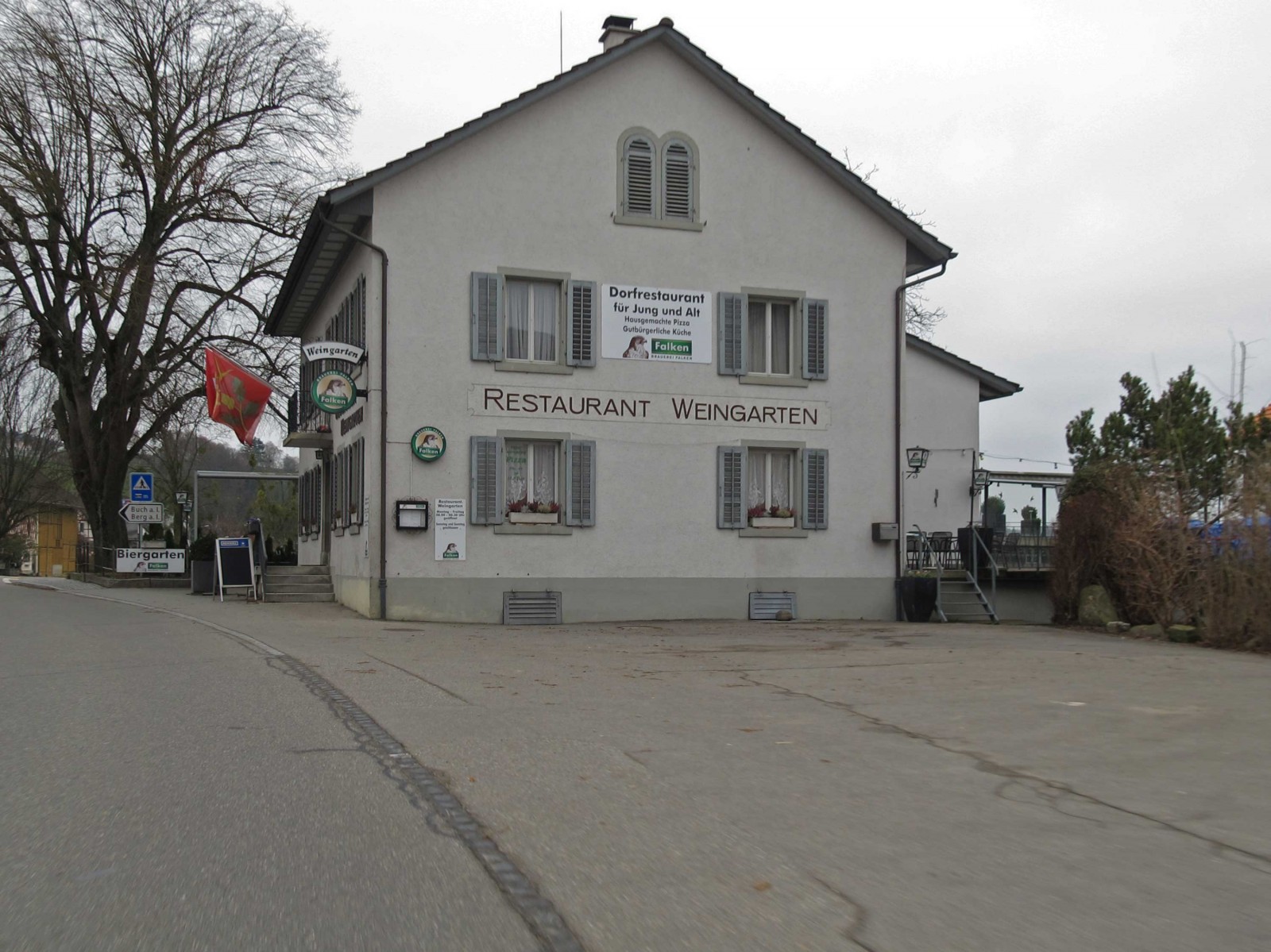
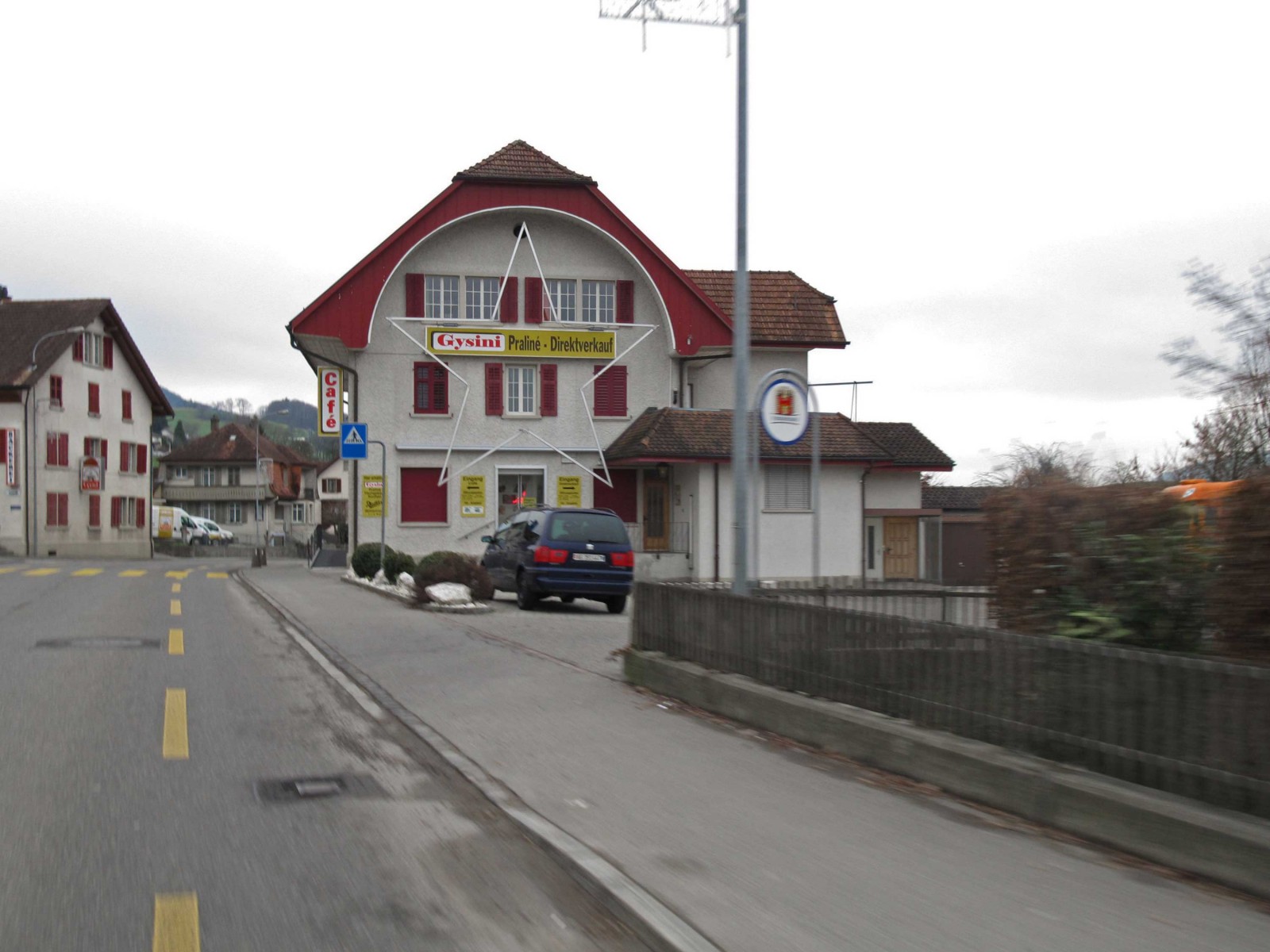
PUBLIC SPACE




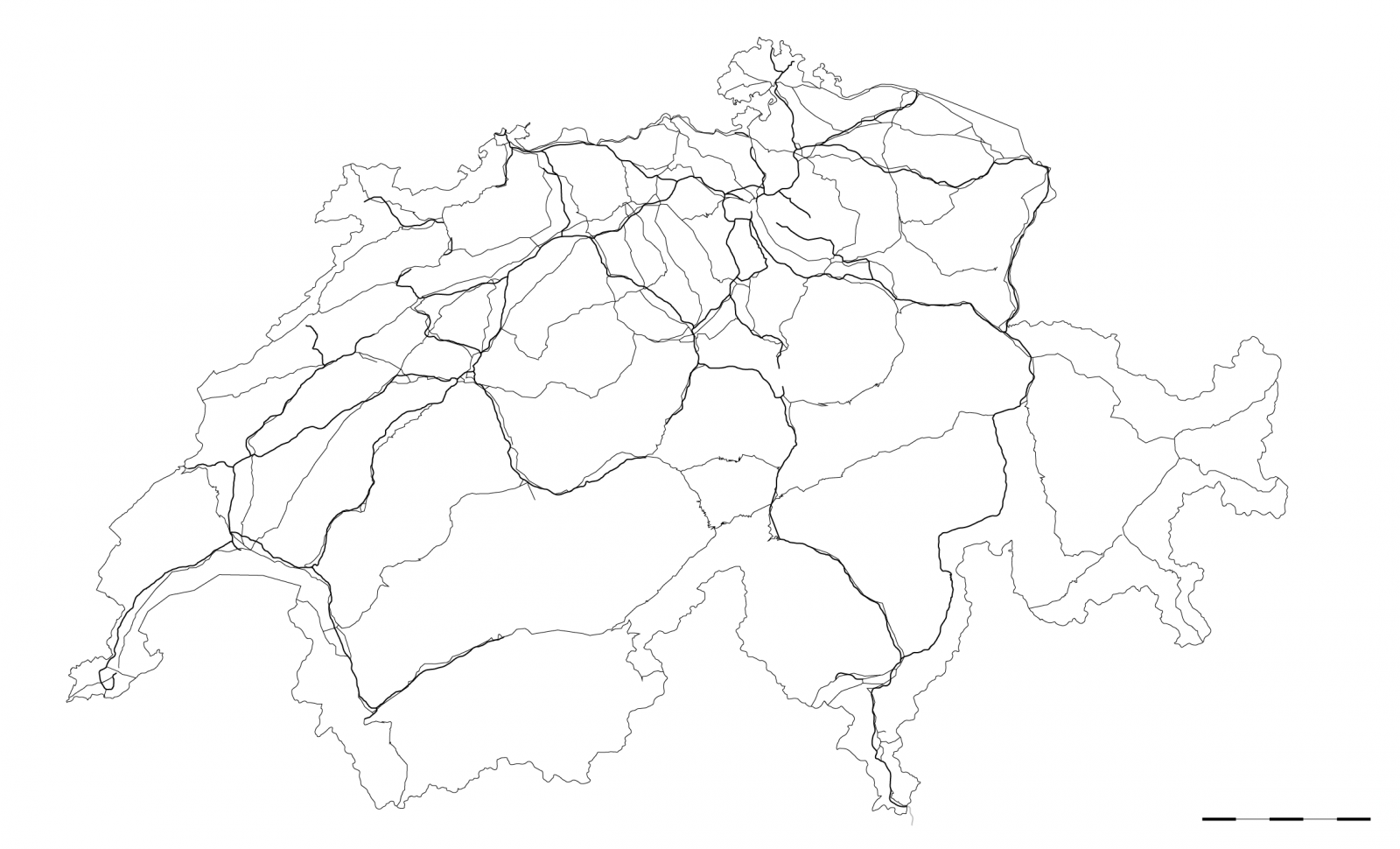
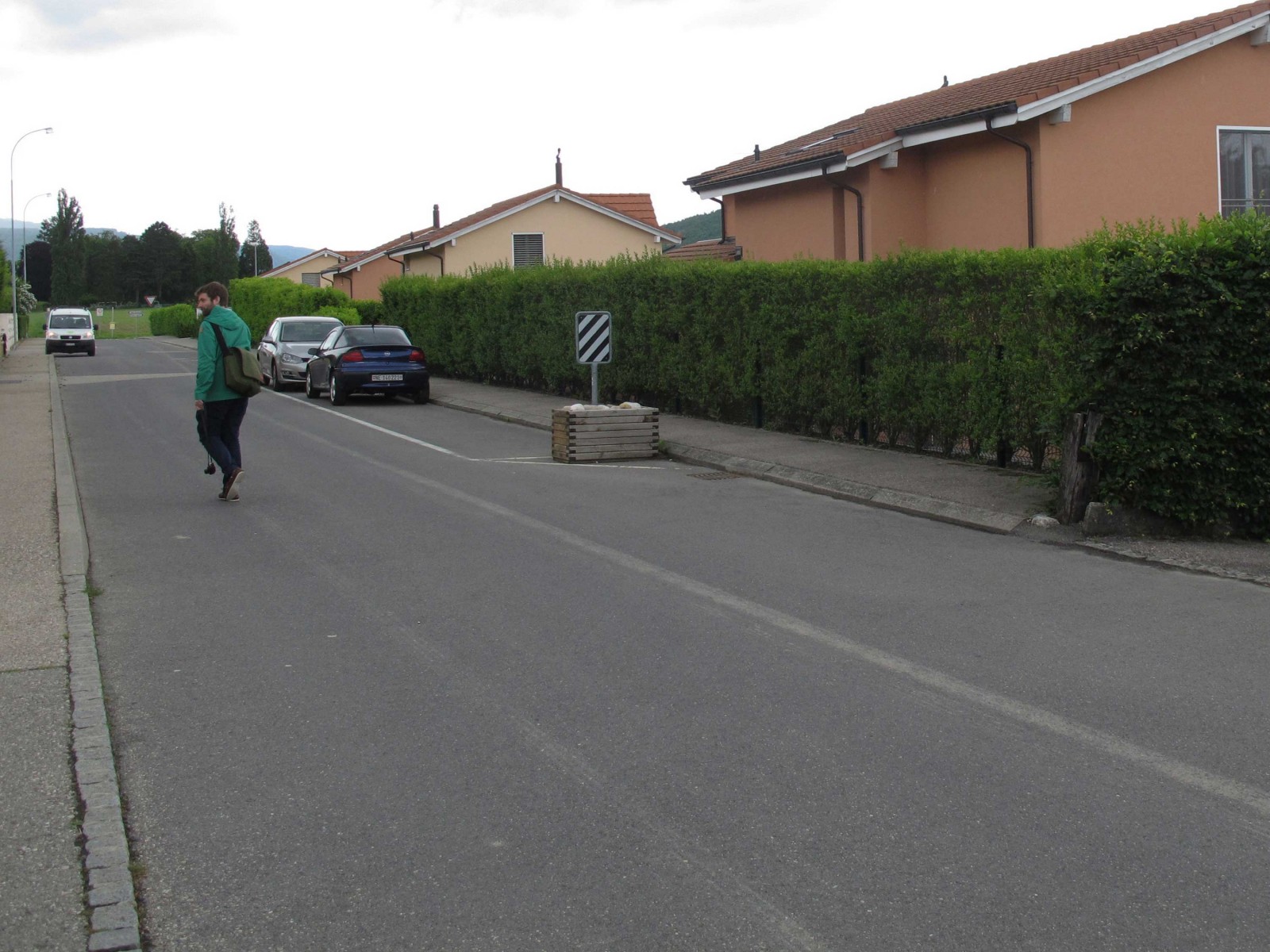
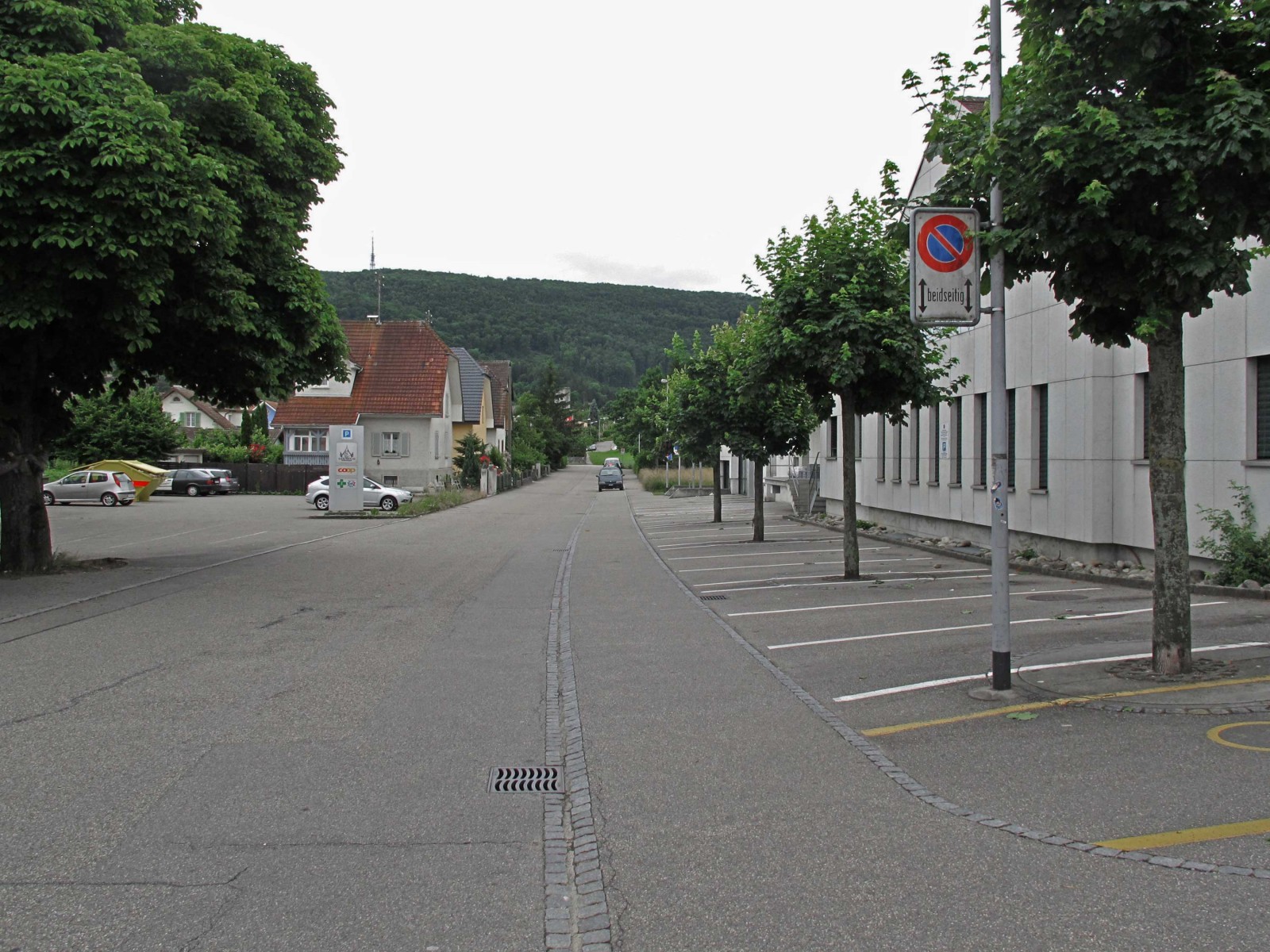
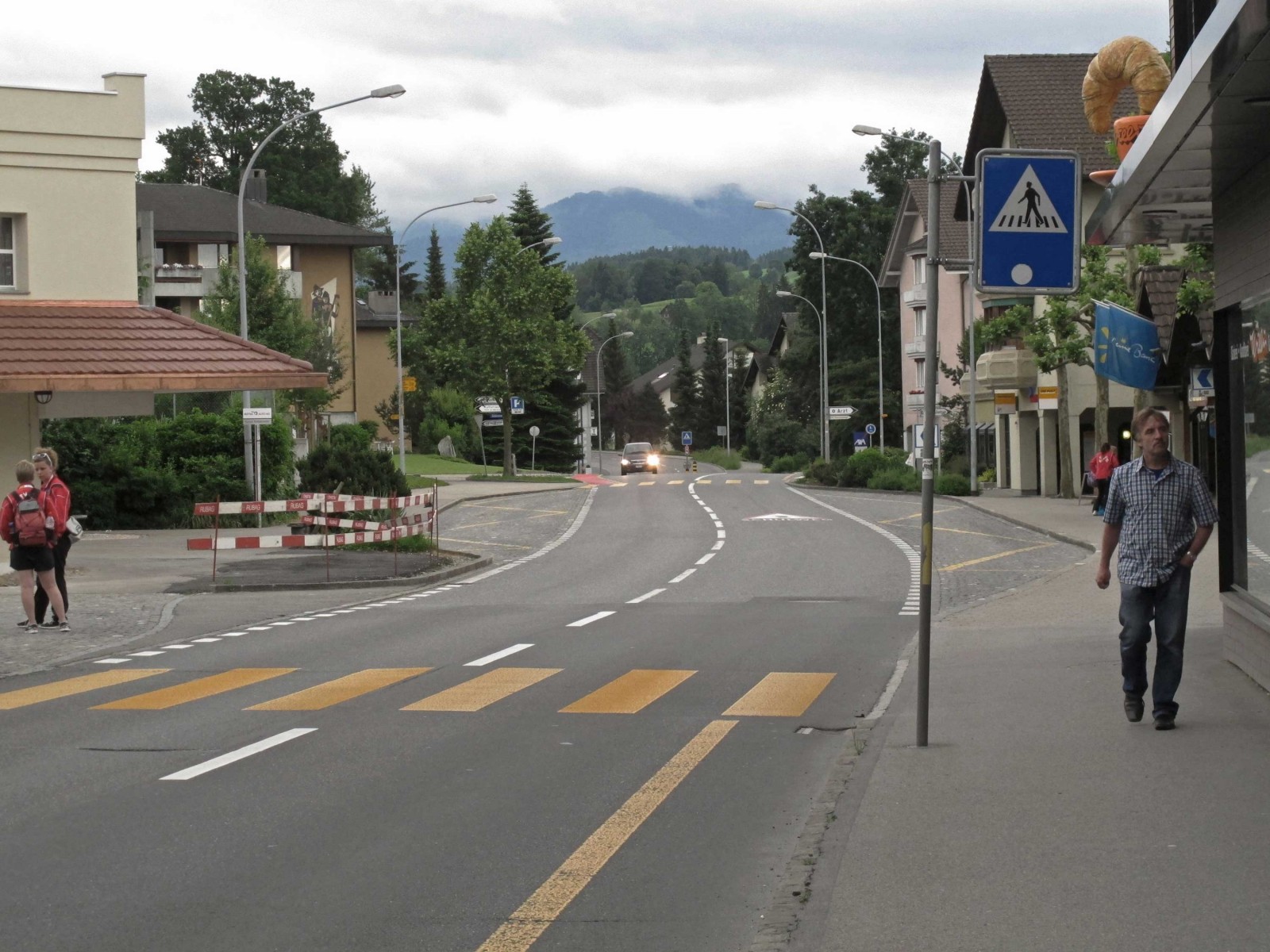
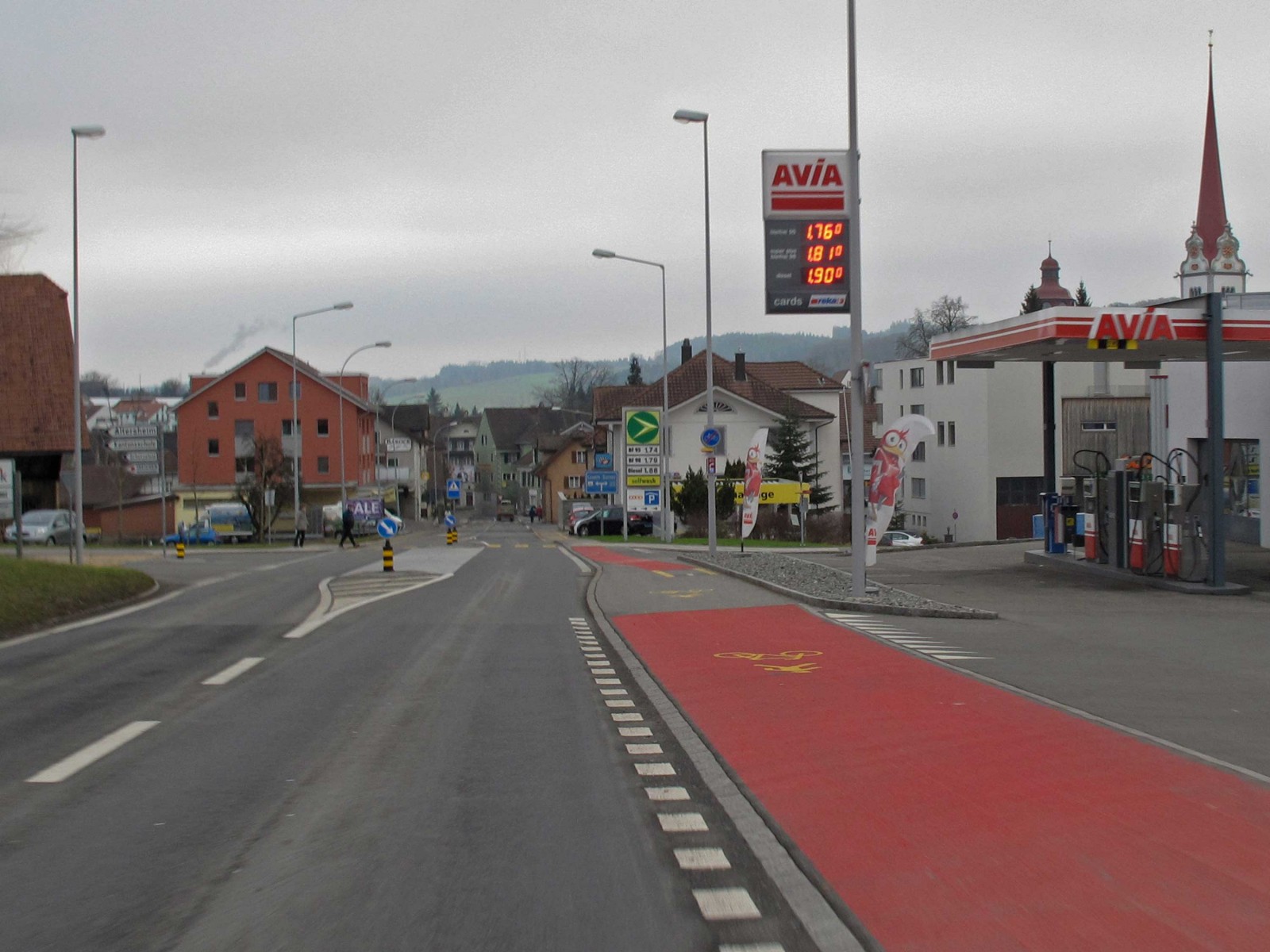
STREETS


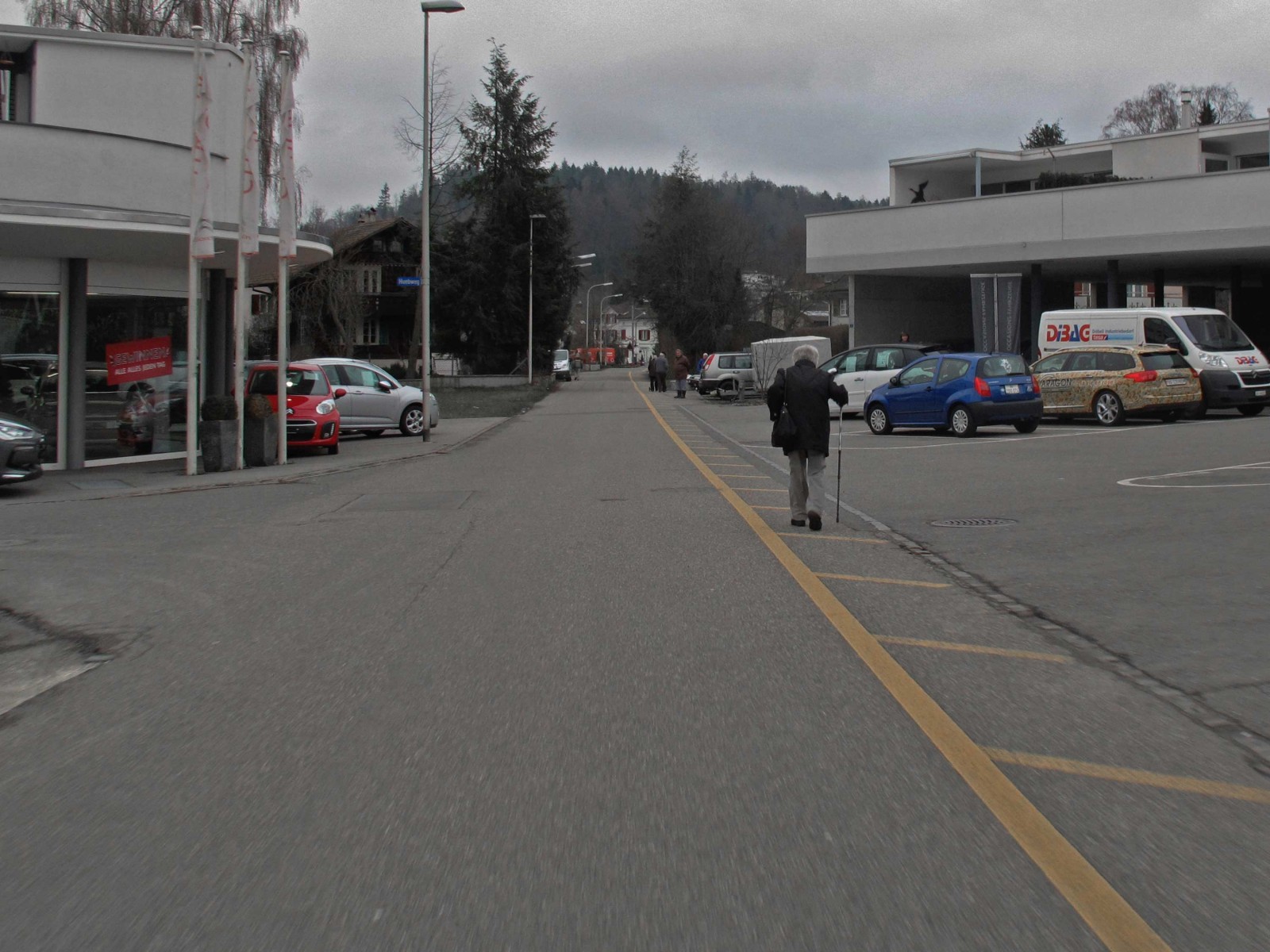
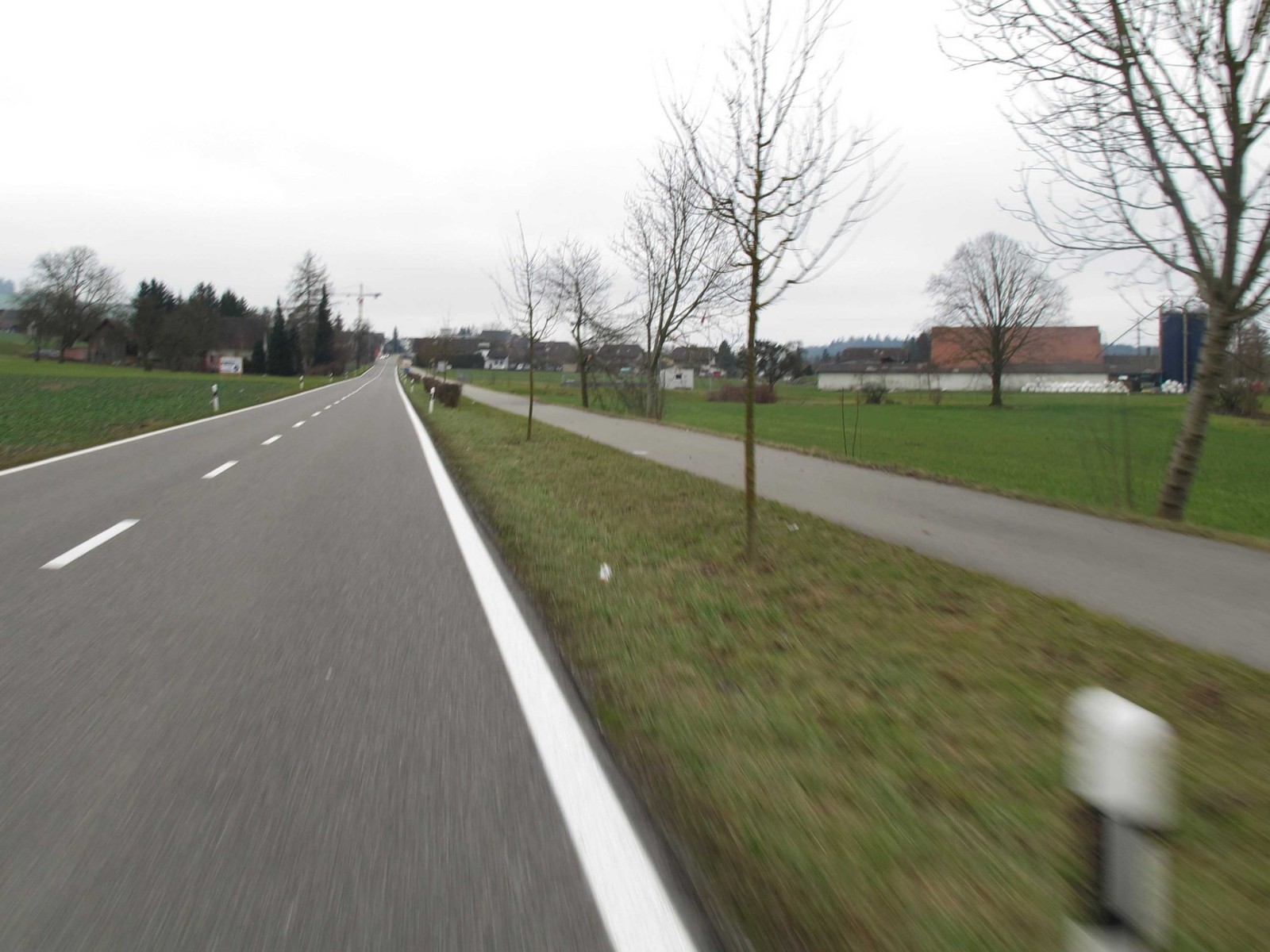
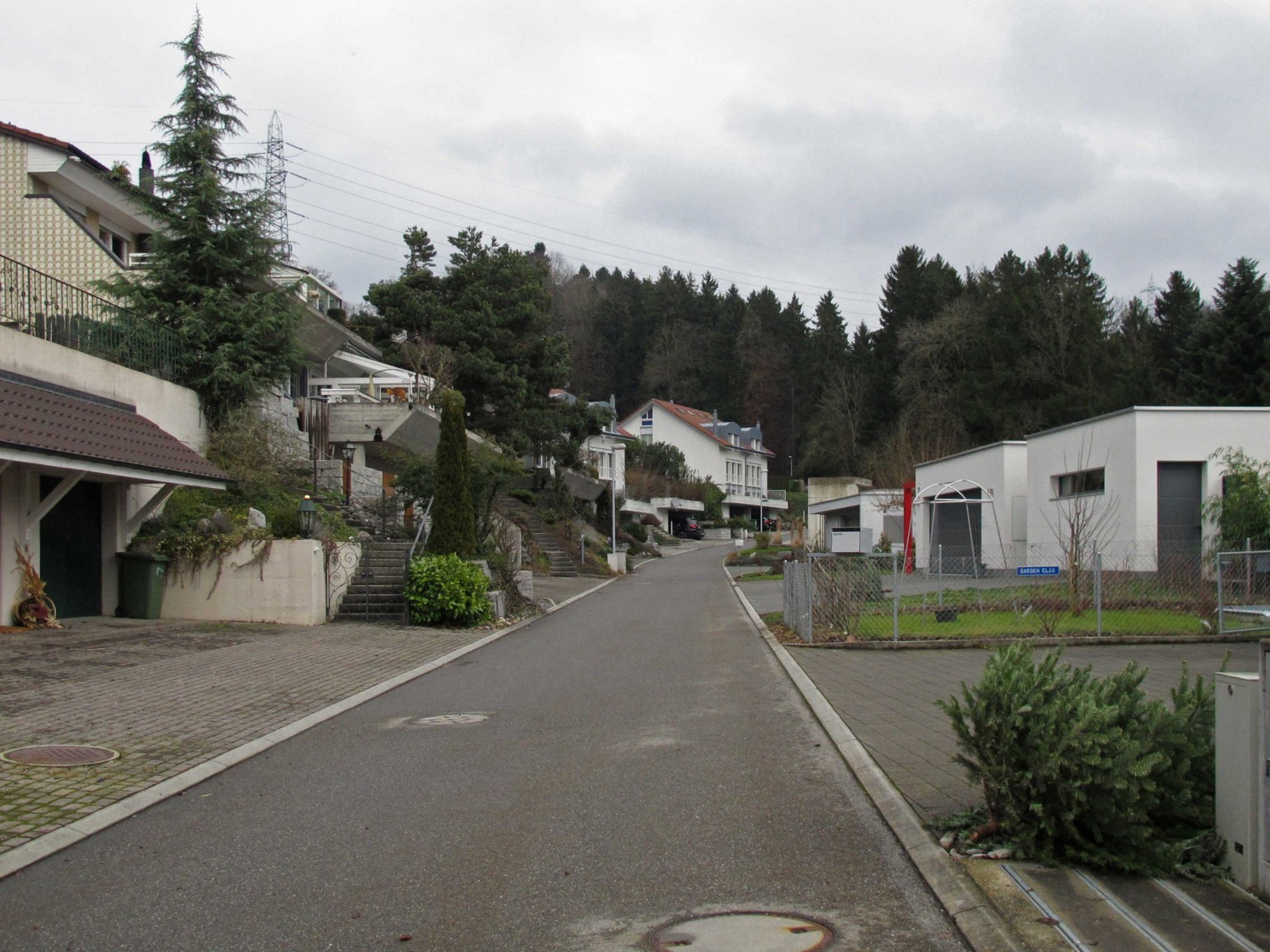


THRESHOLD
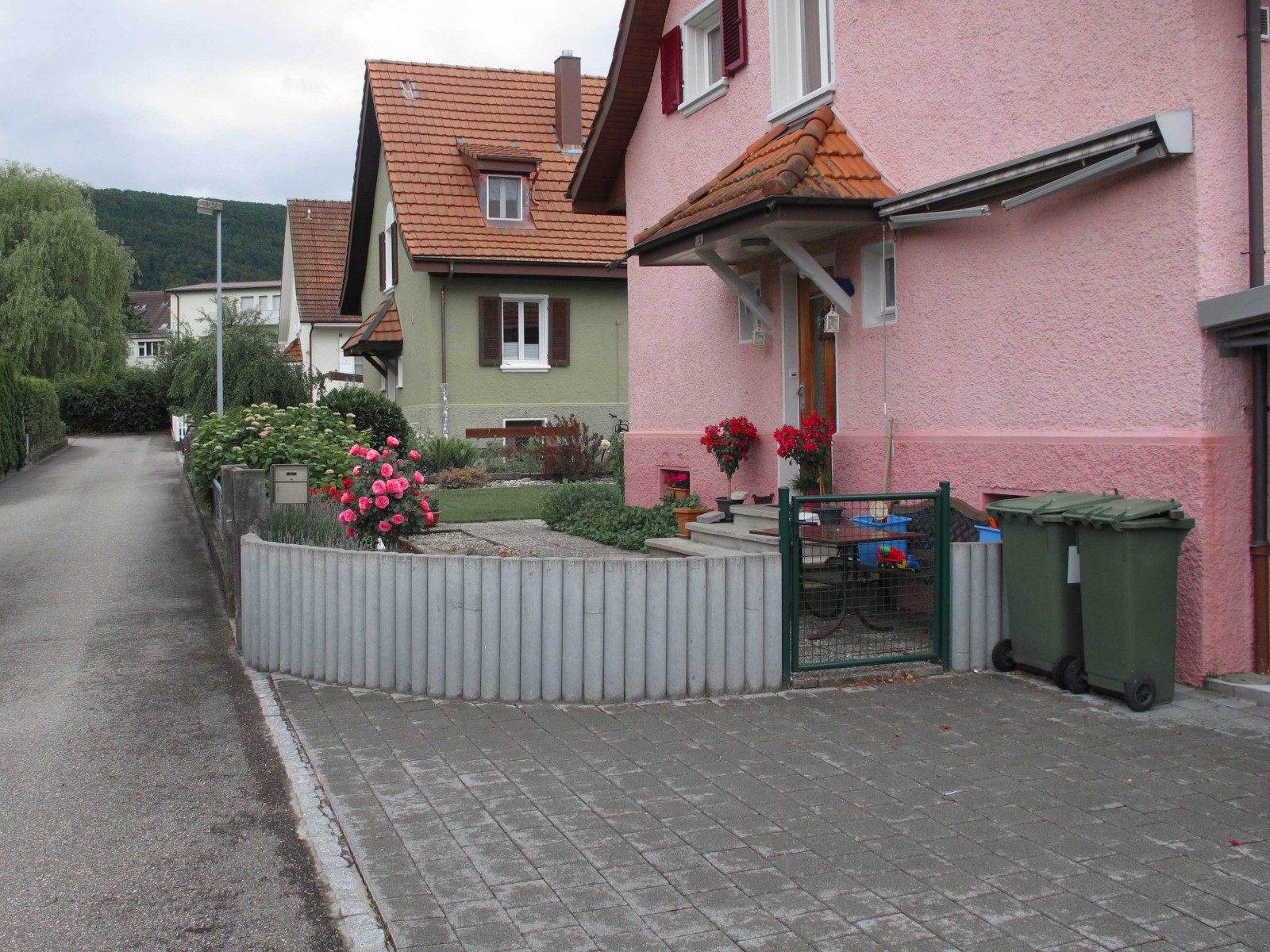

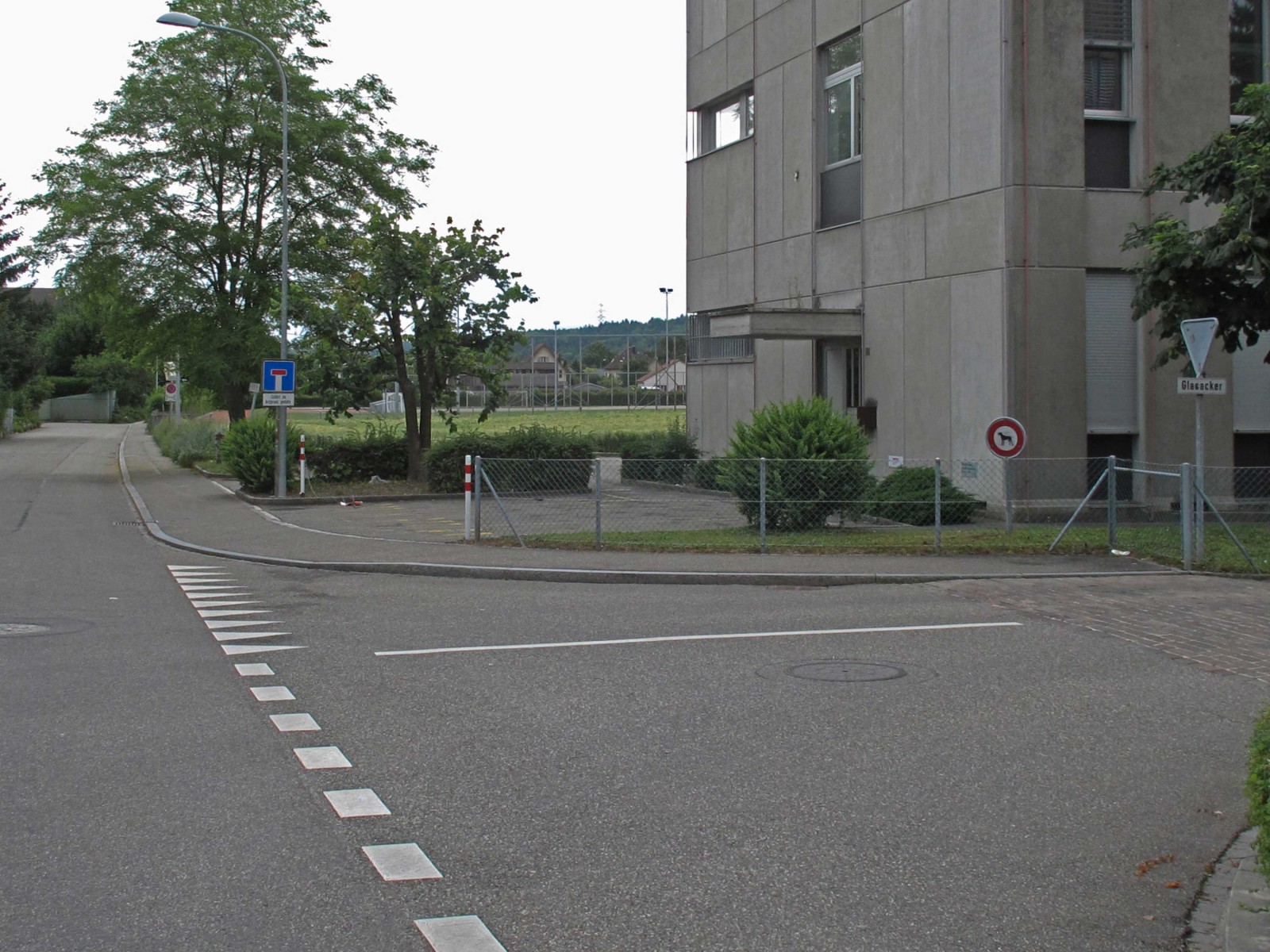
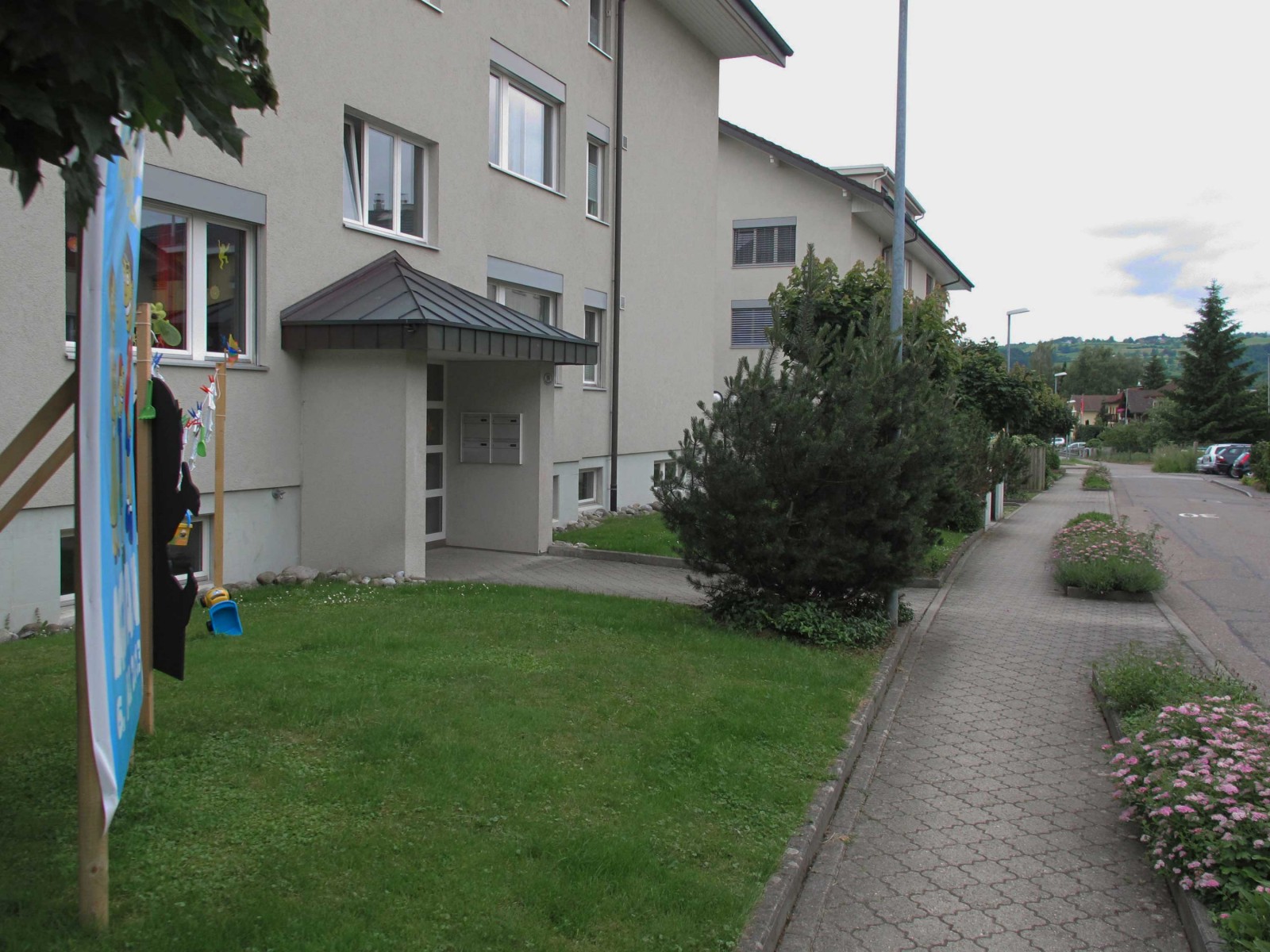


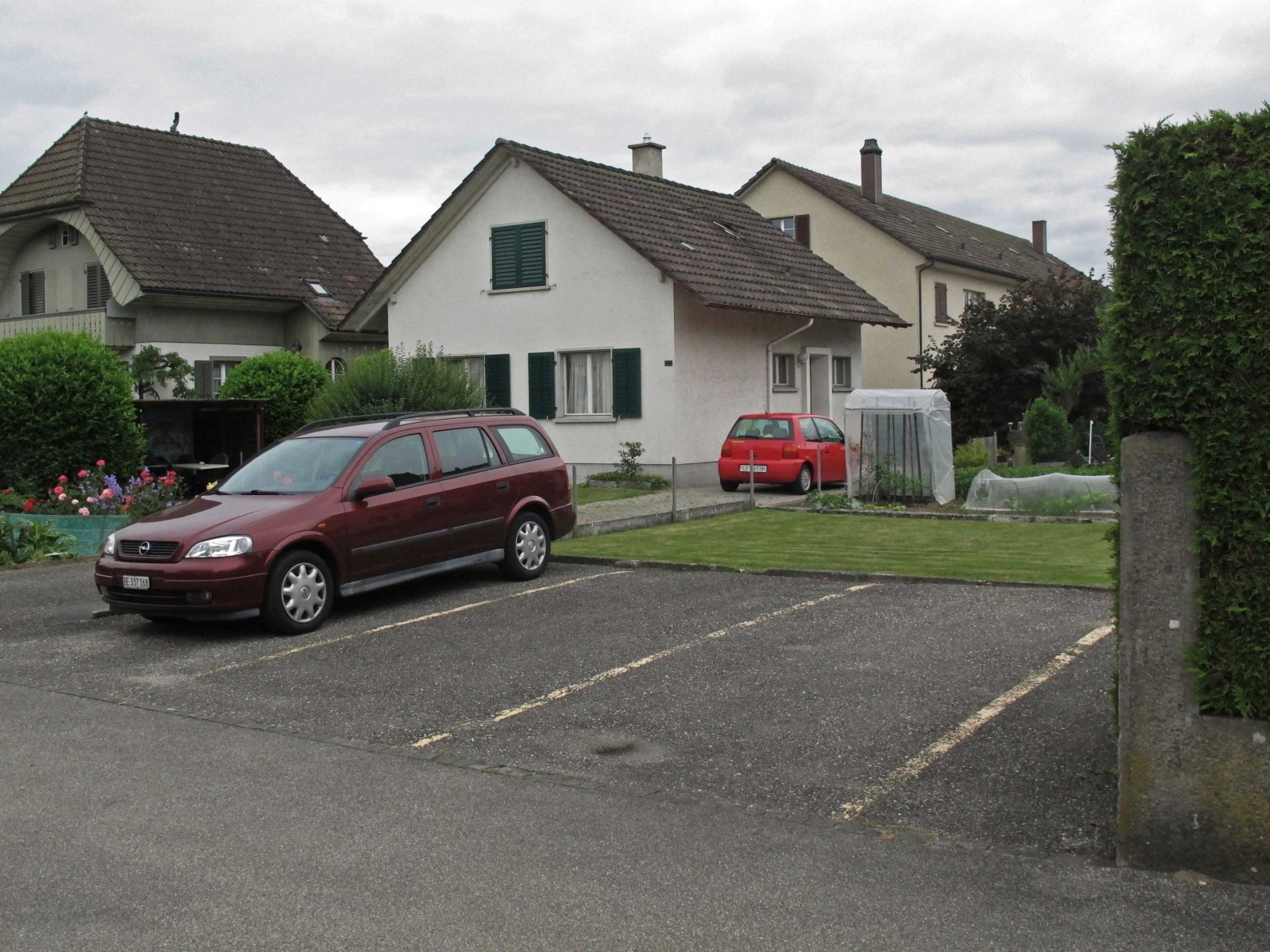


BUILDING LINE
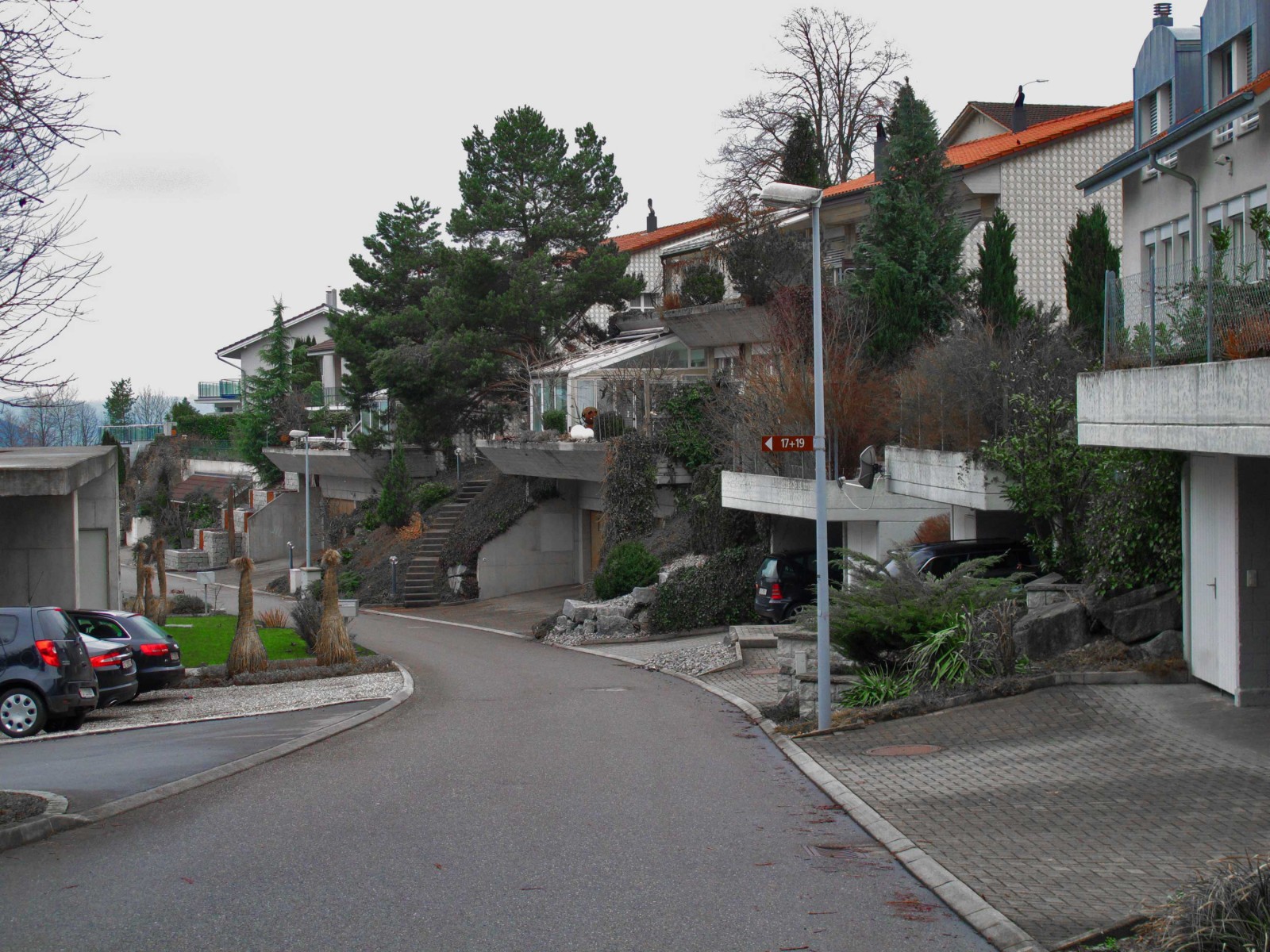
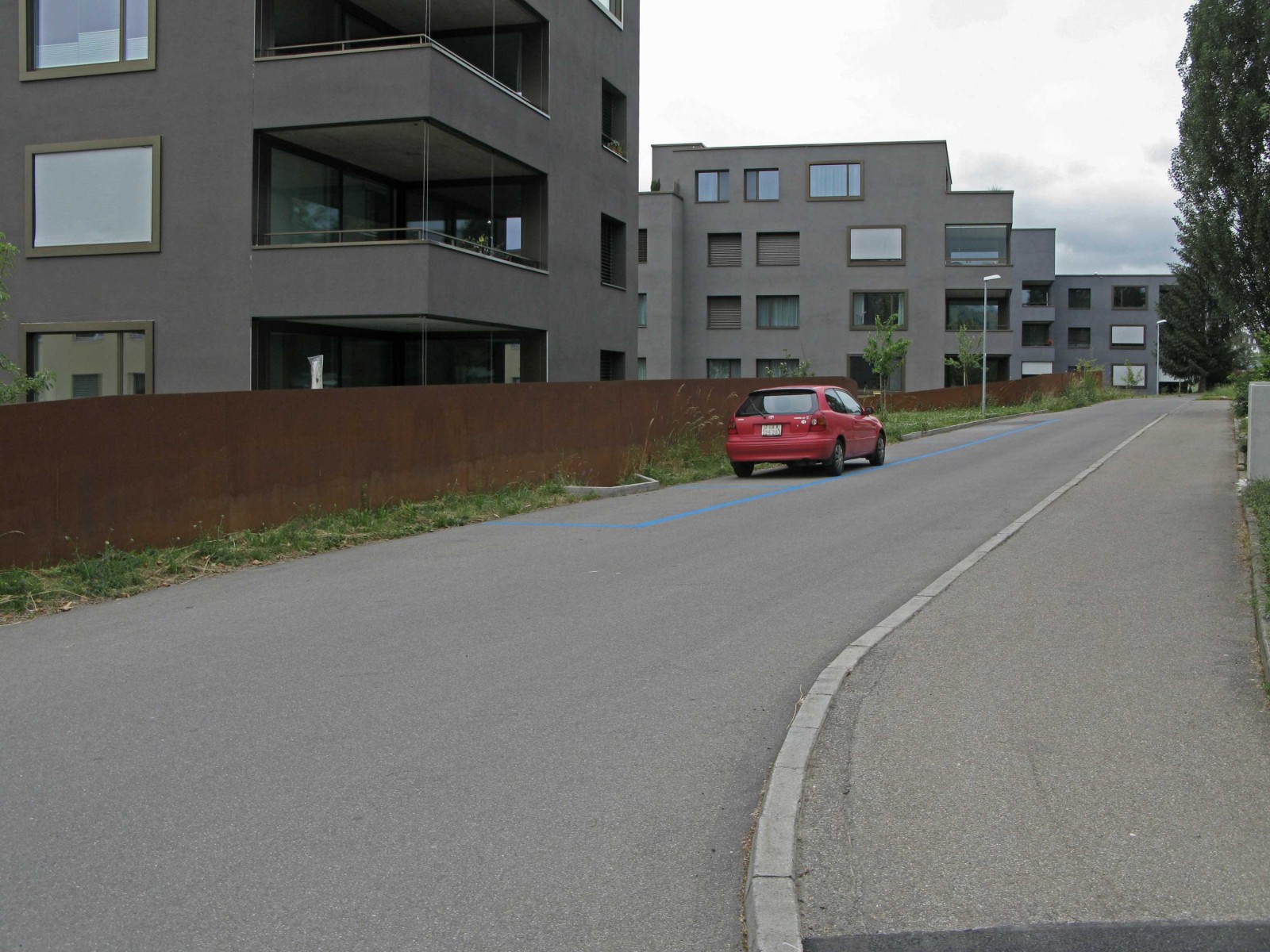
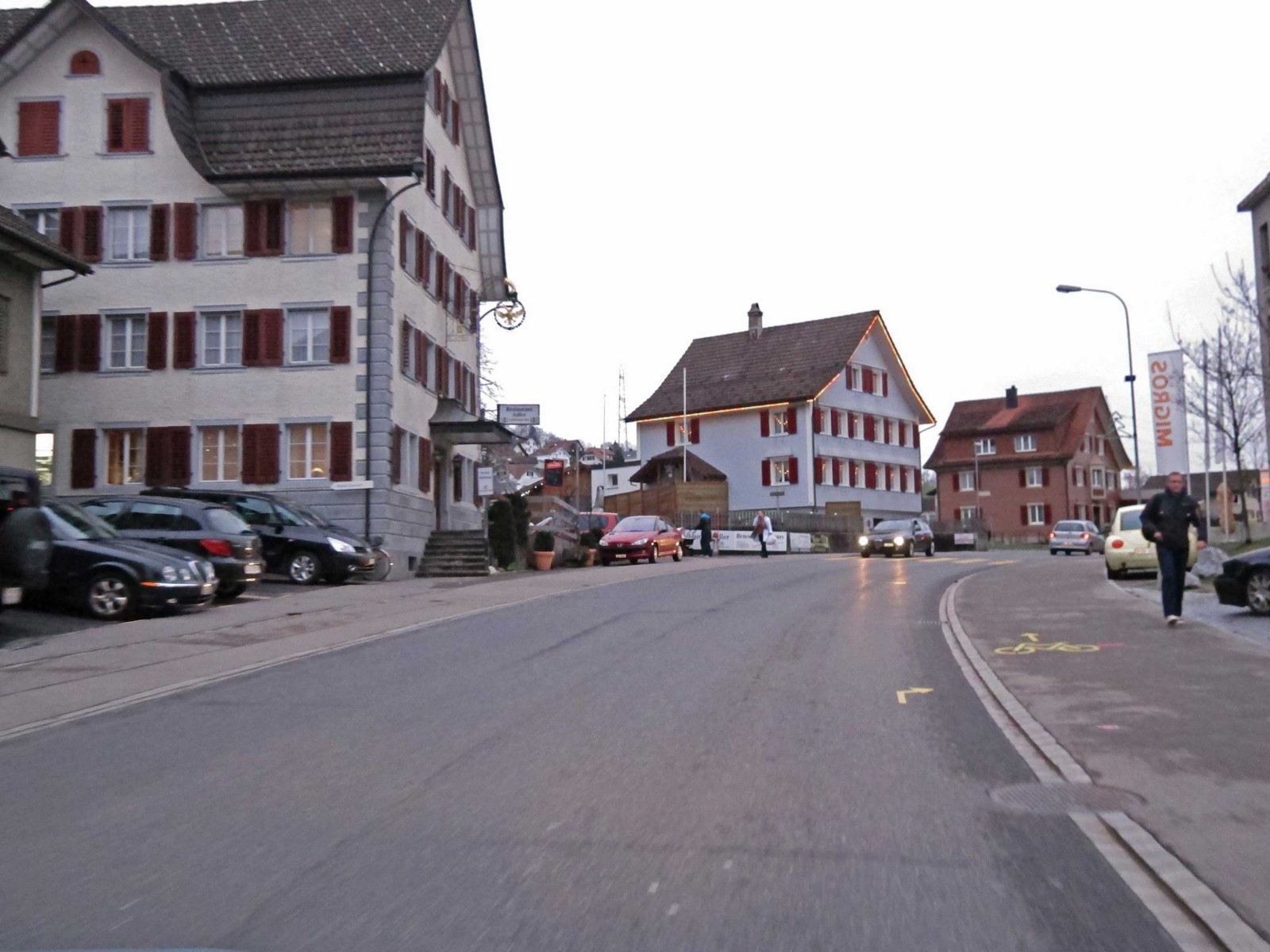


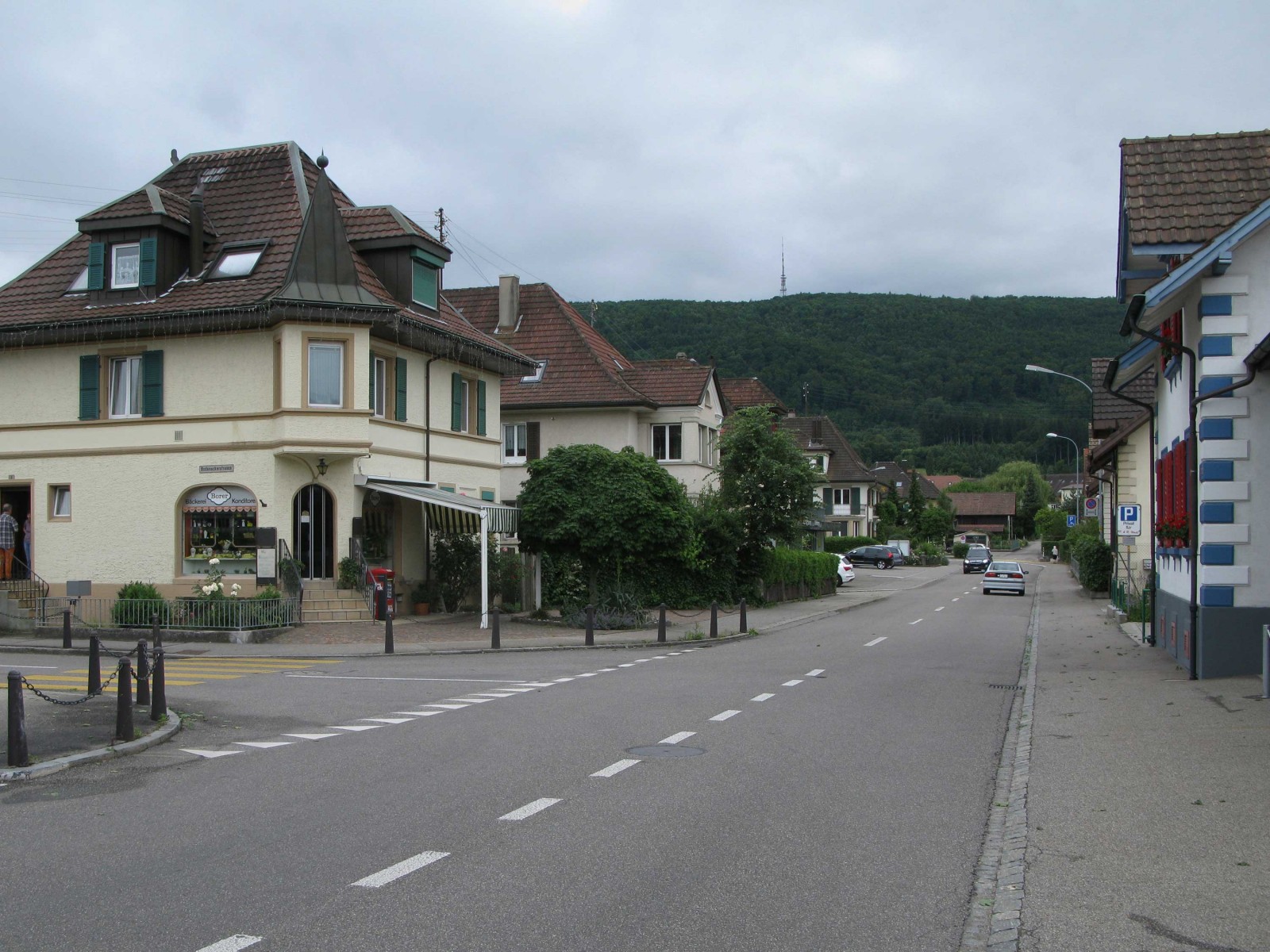


PUBLIC BUILDINGS
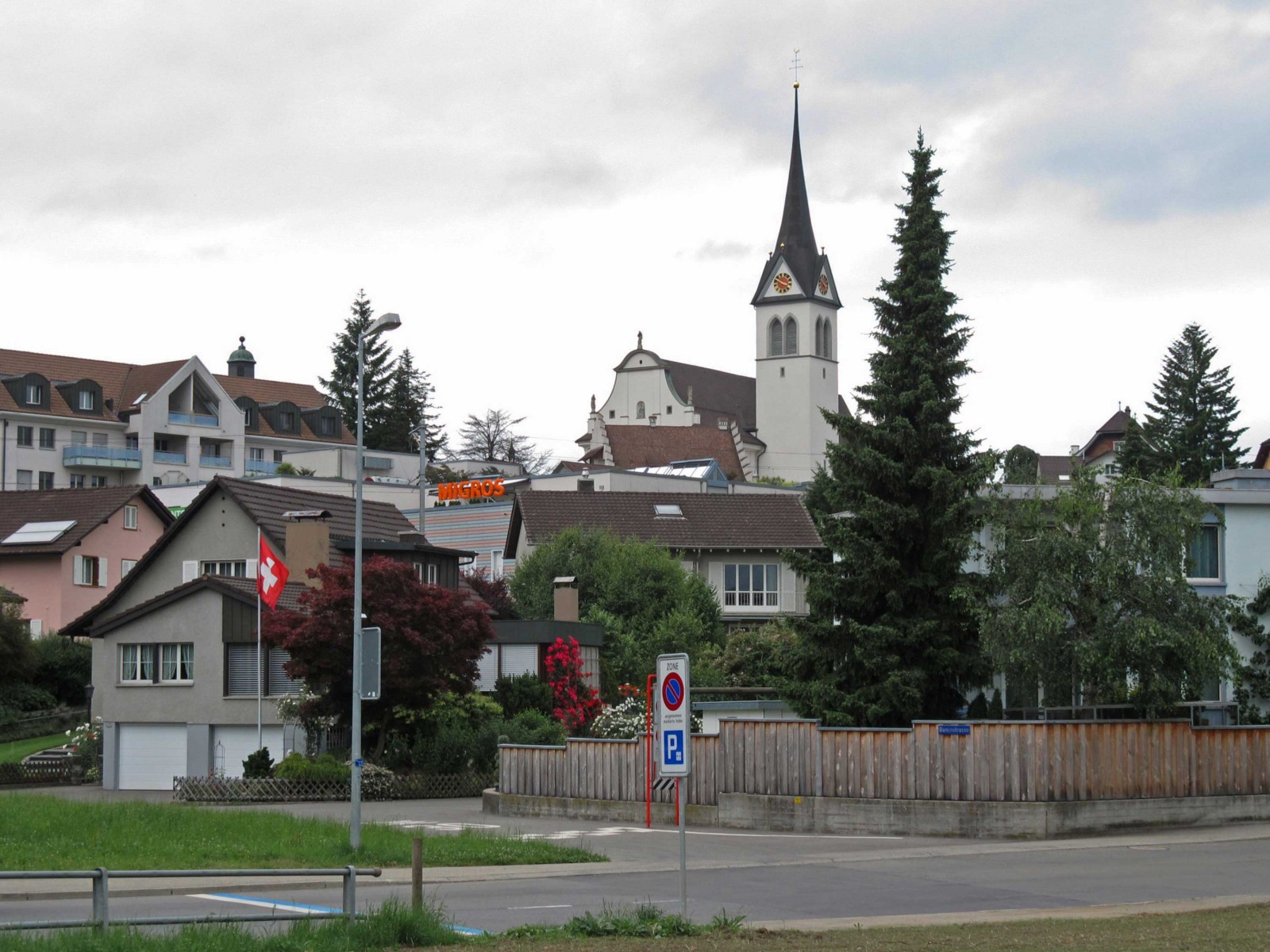


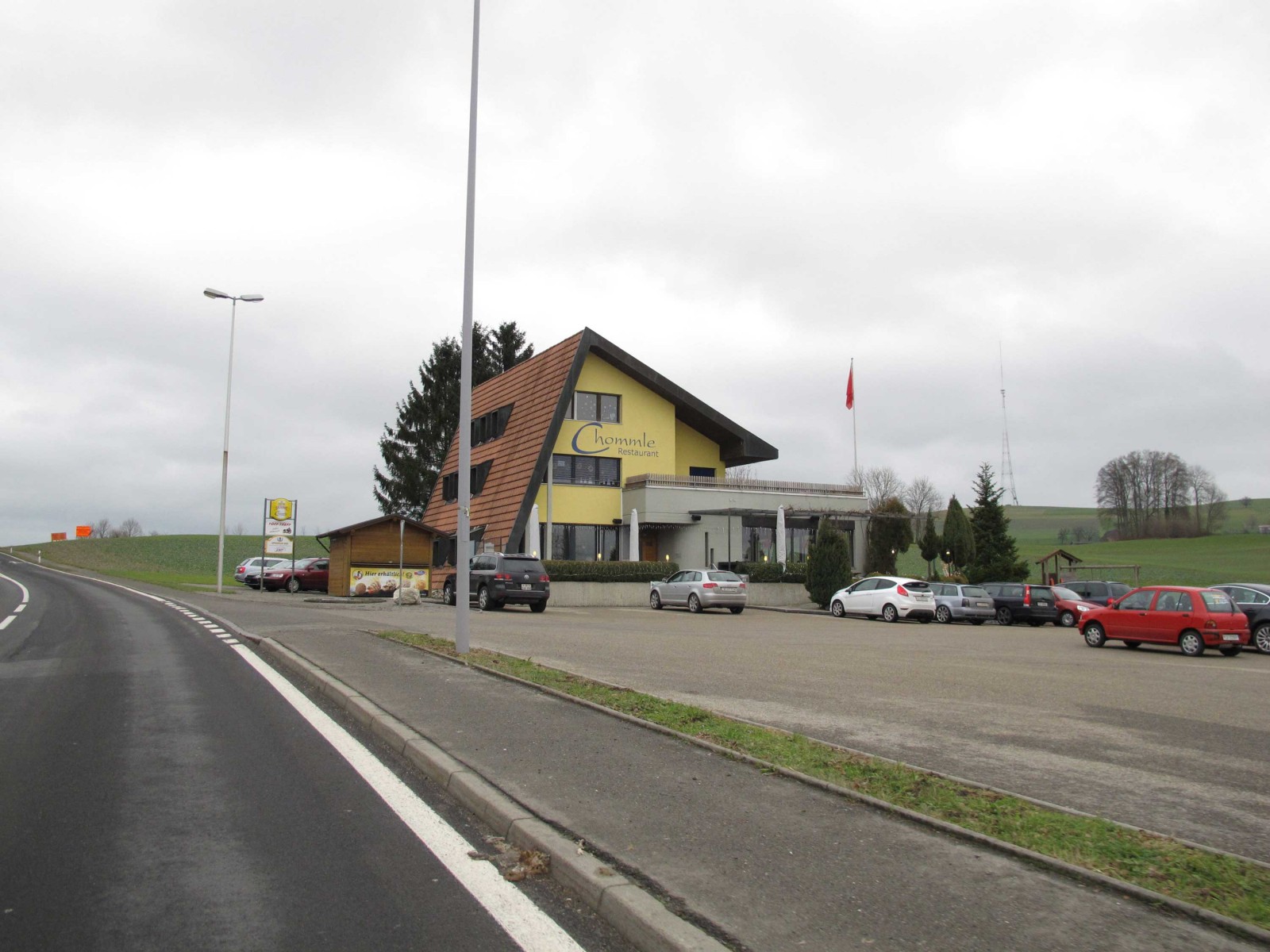


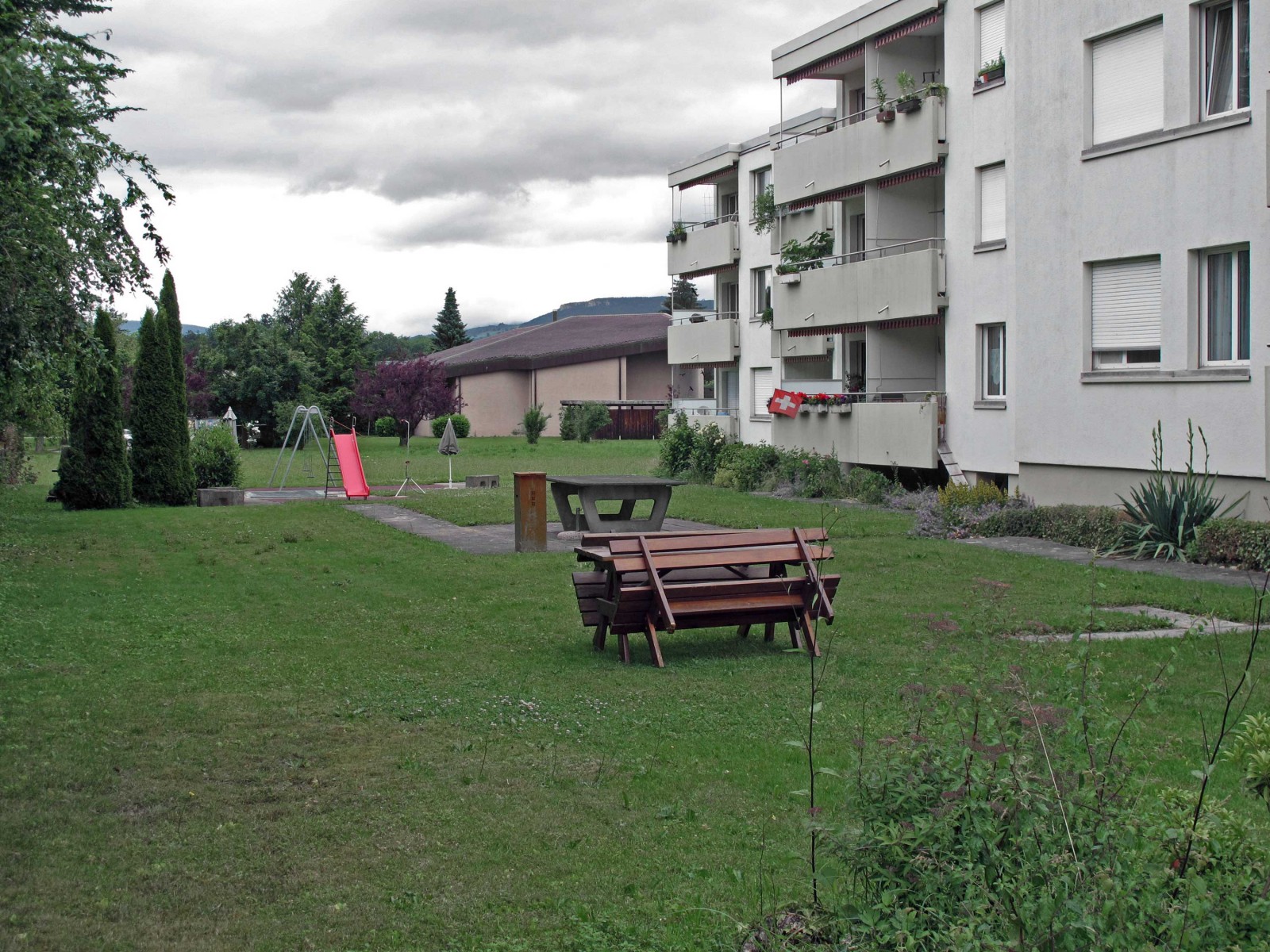
PRIVATE SPACE
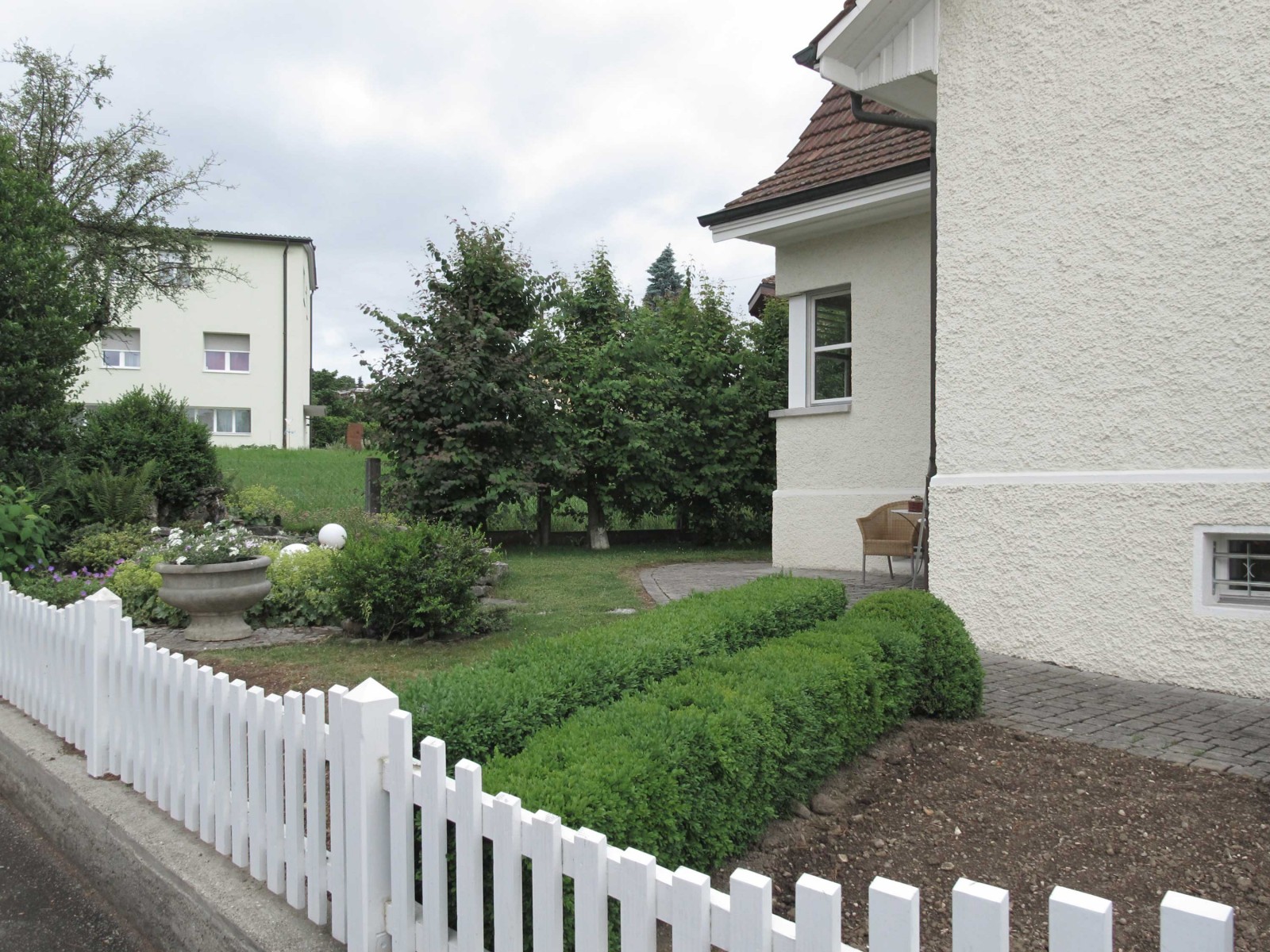

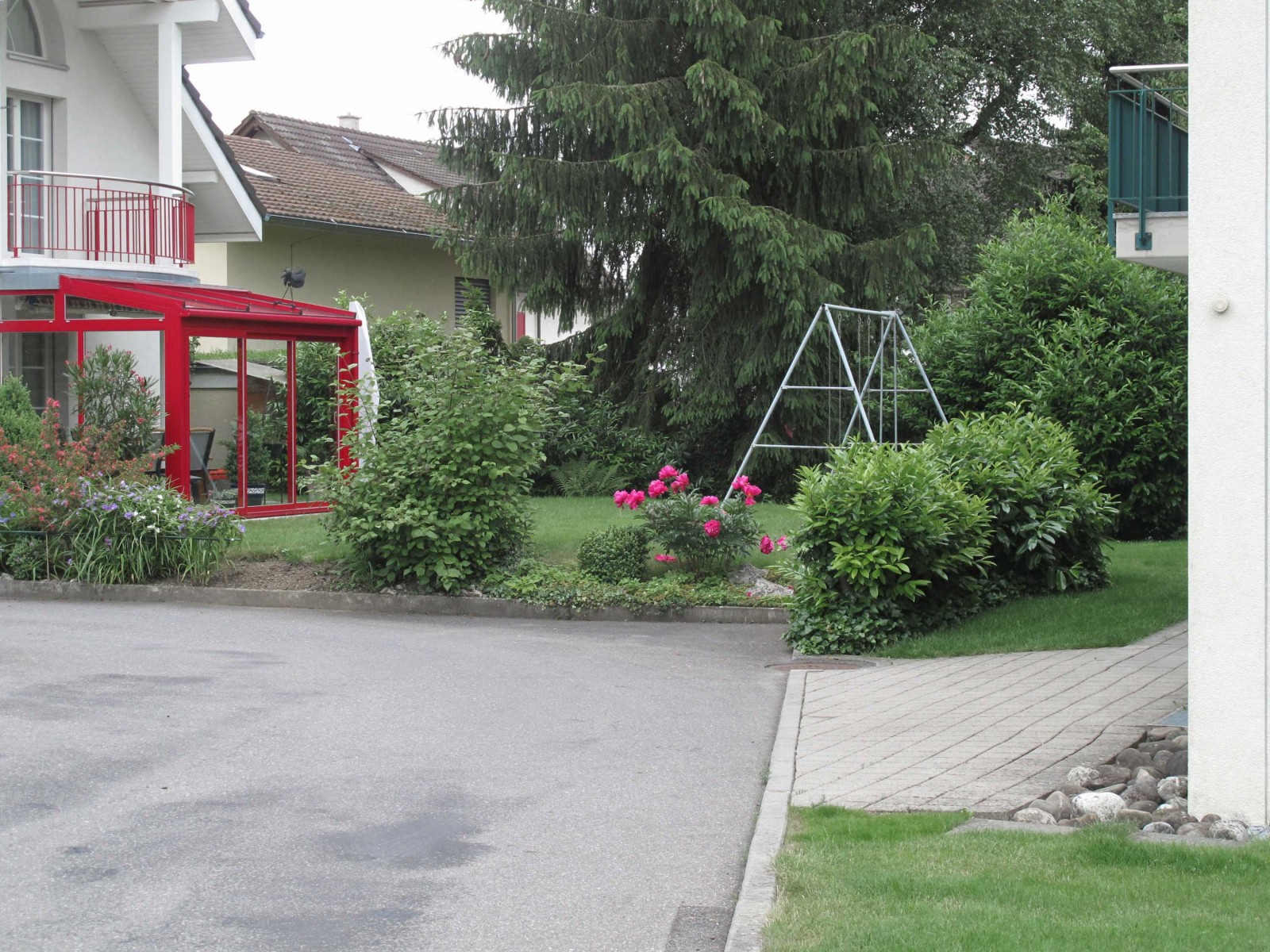

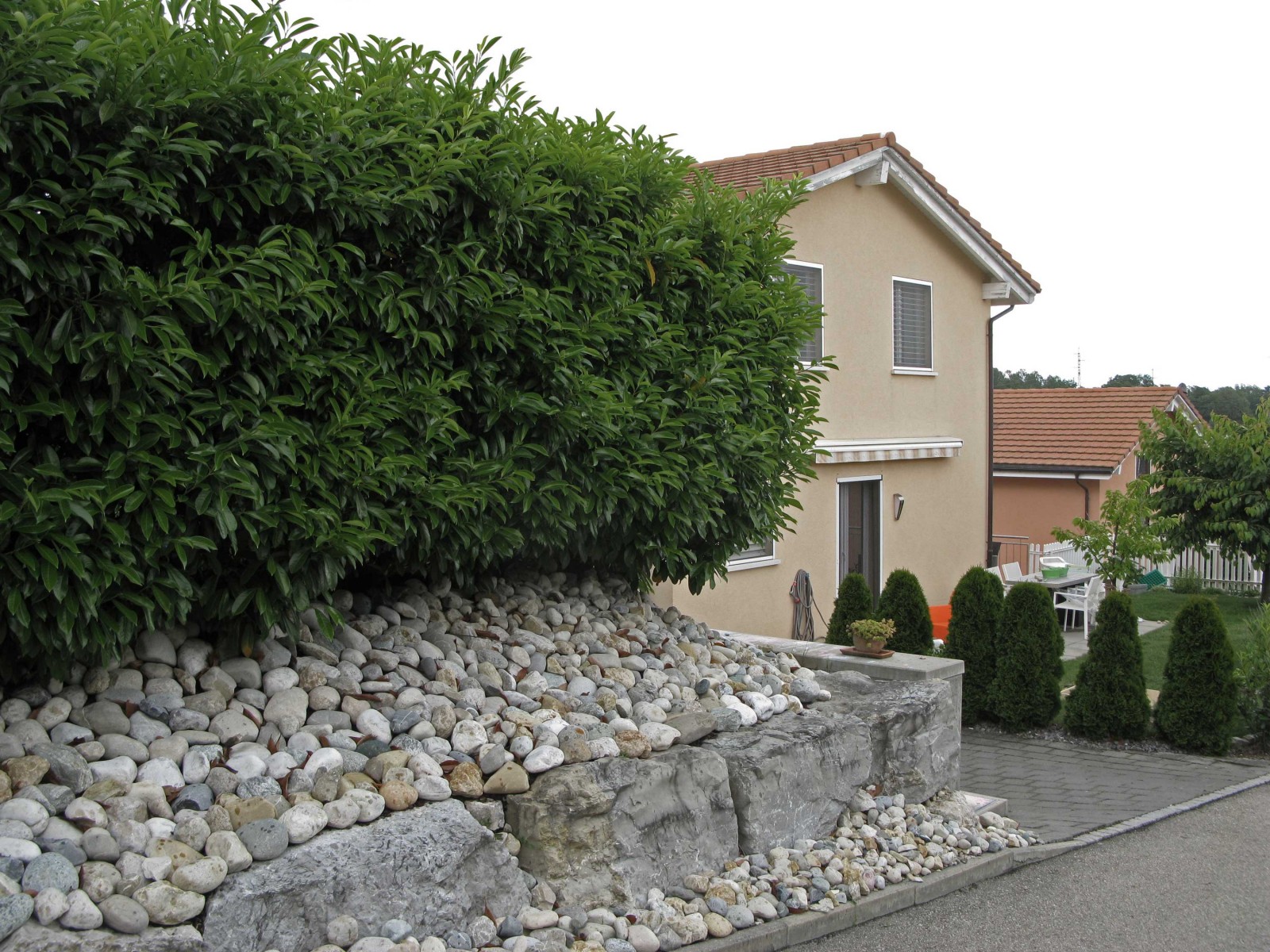
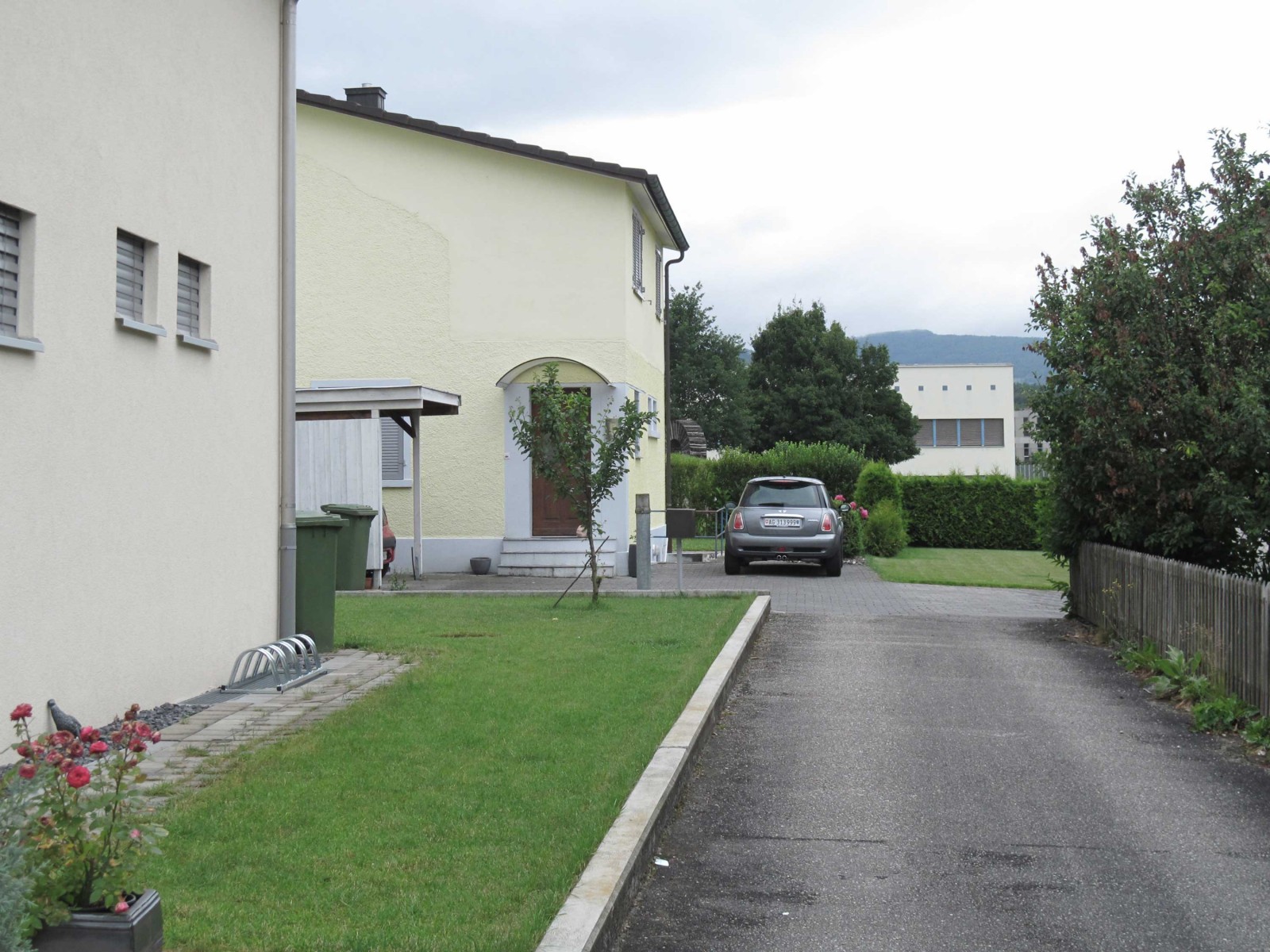

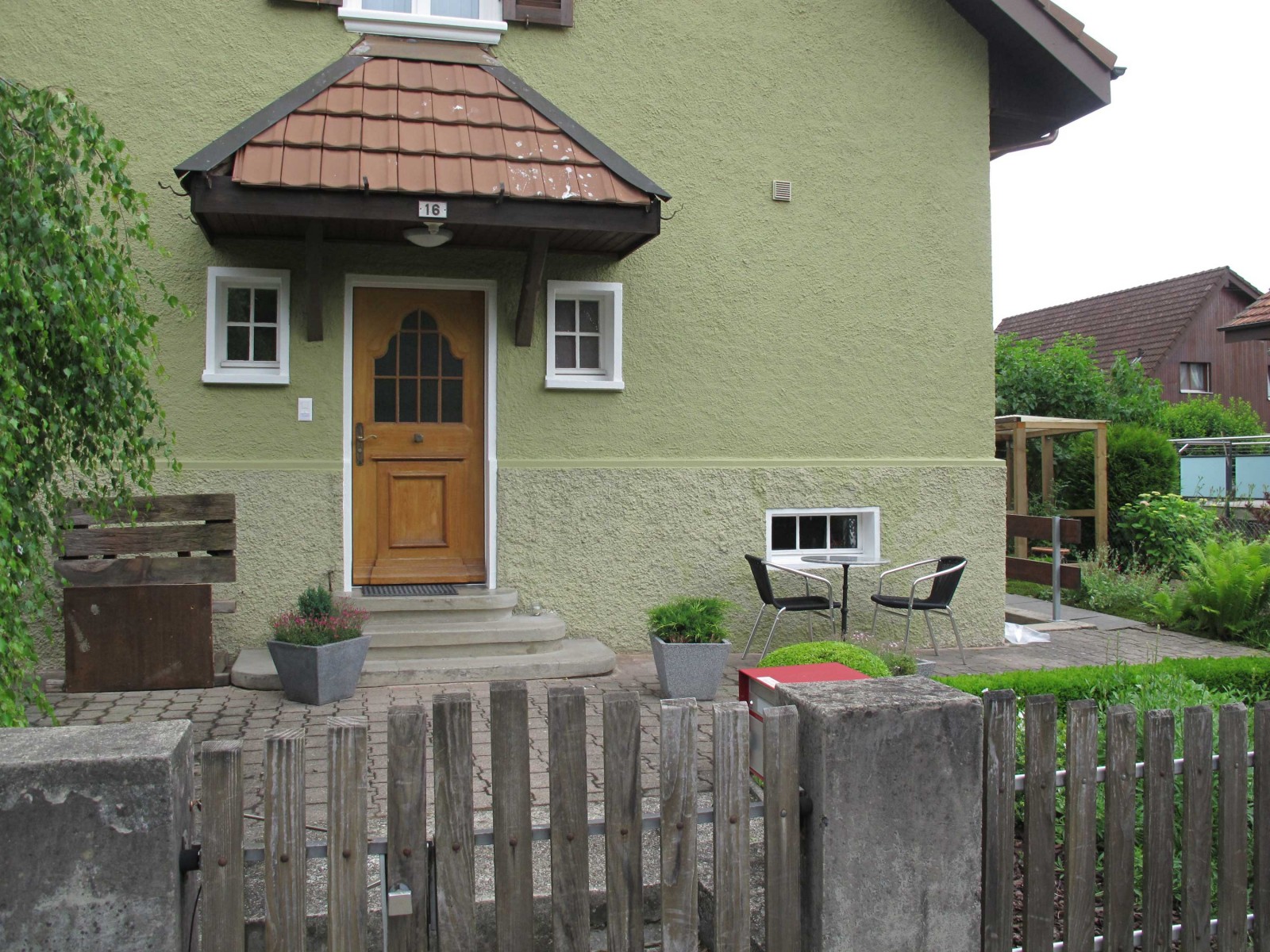
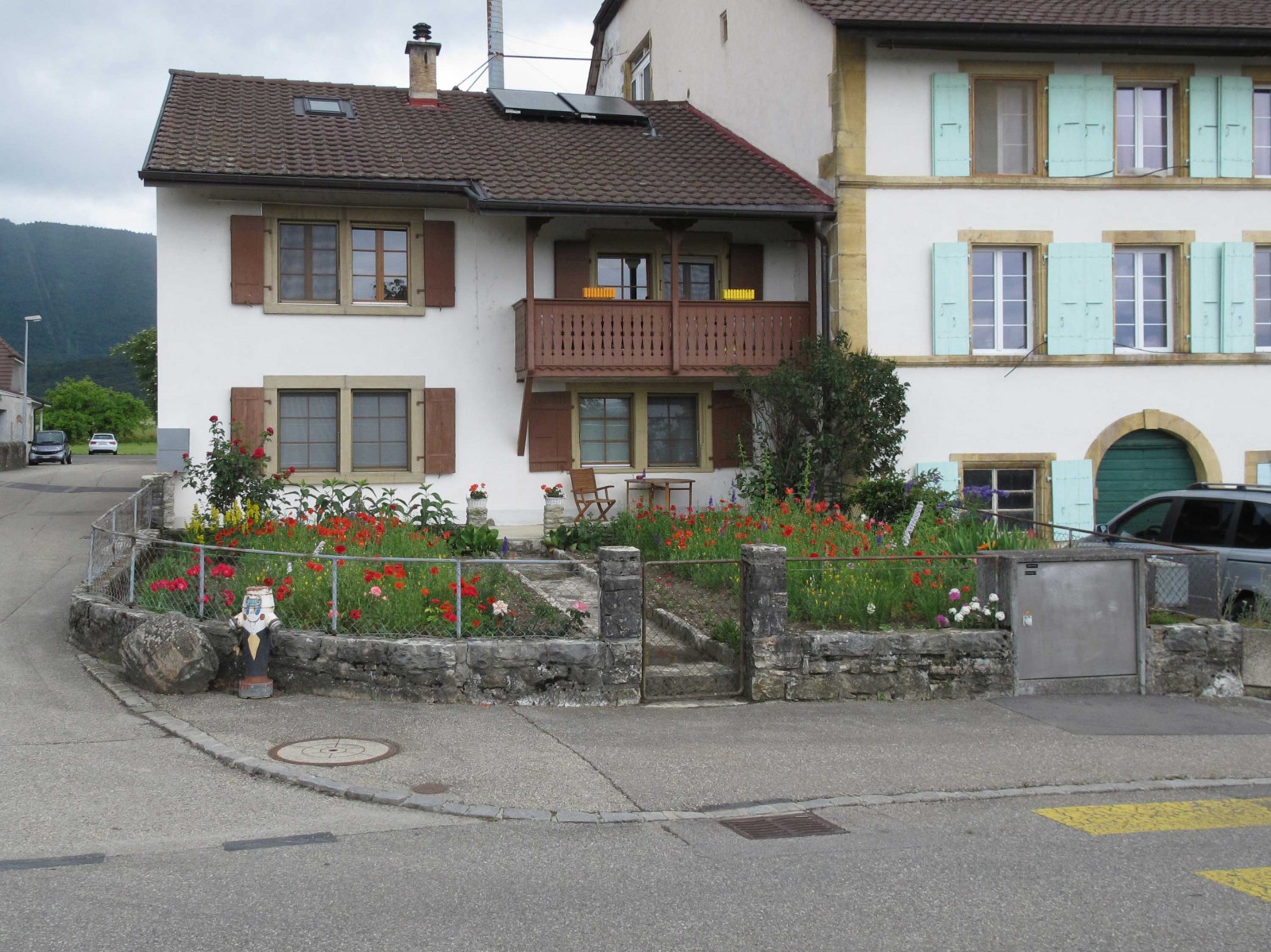


LIMITS

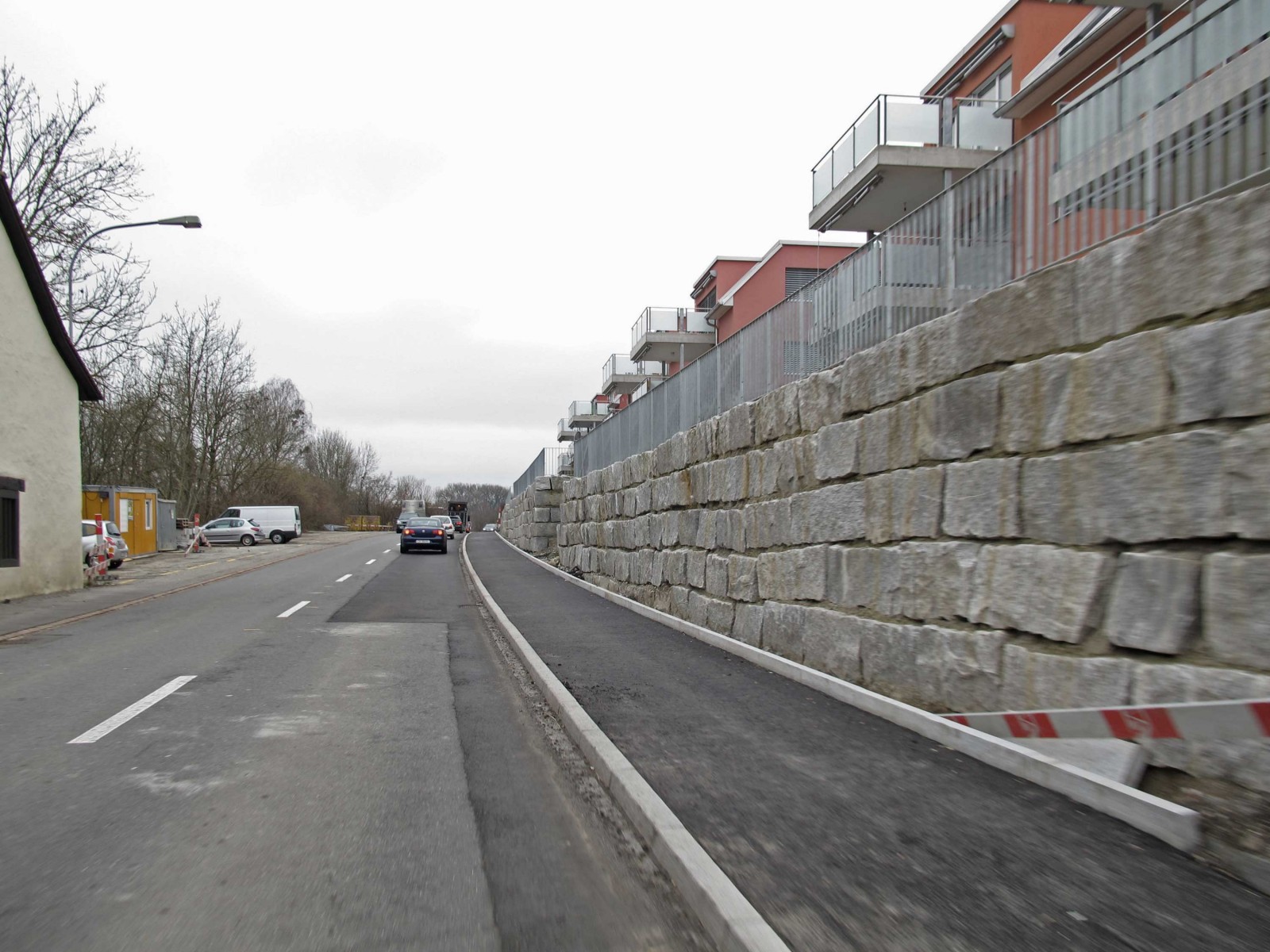

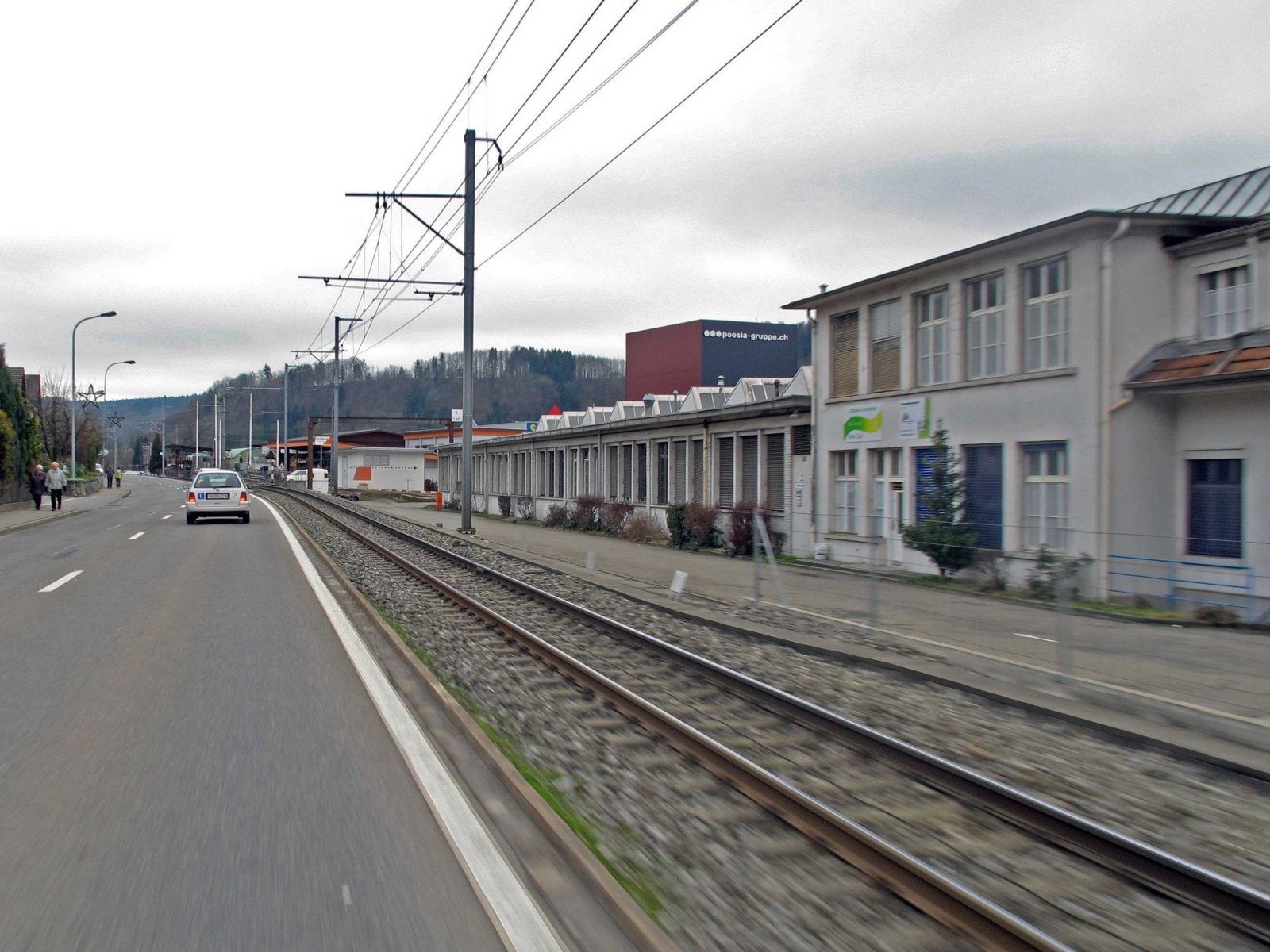
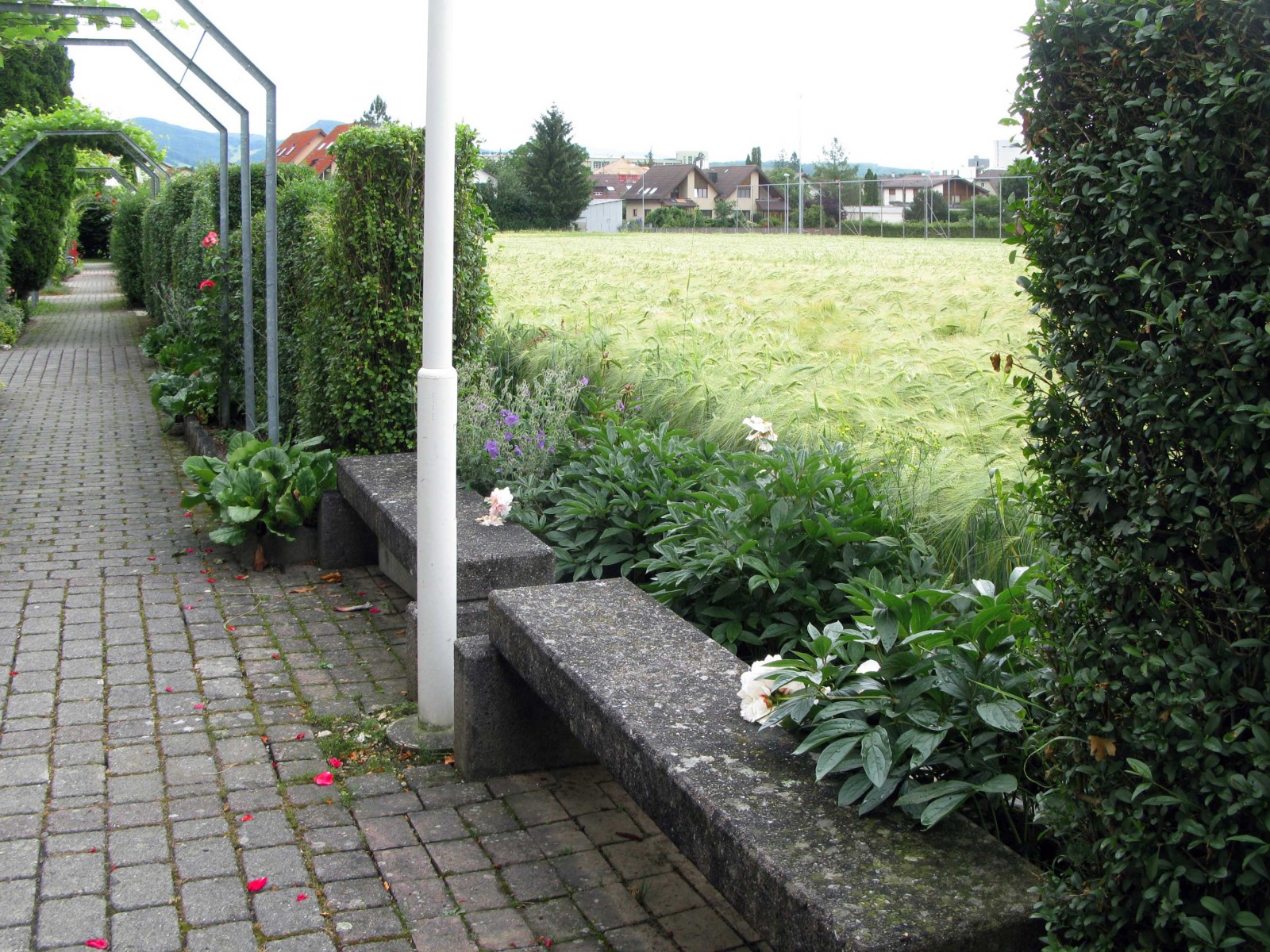

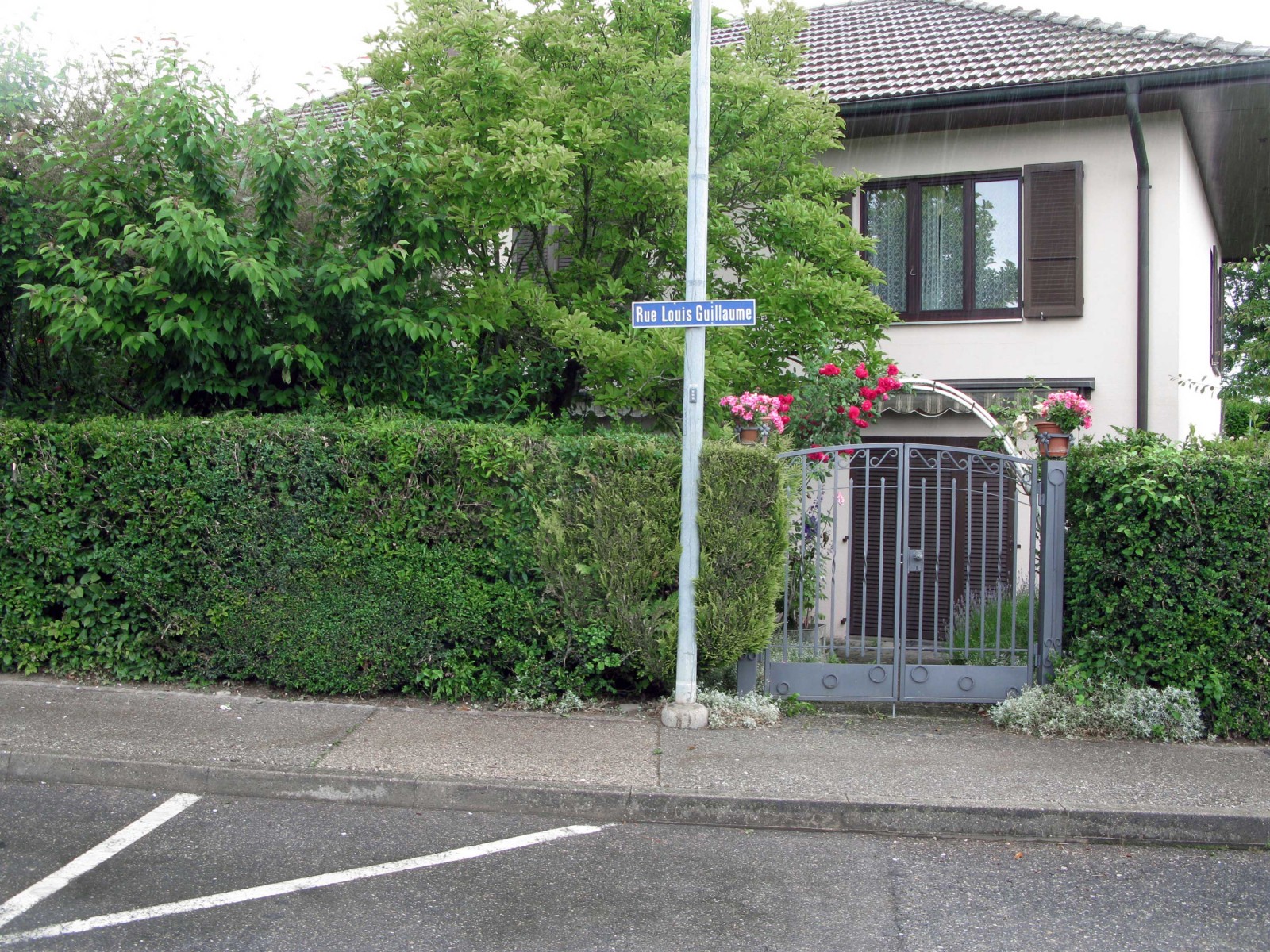
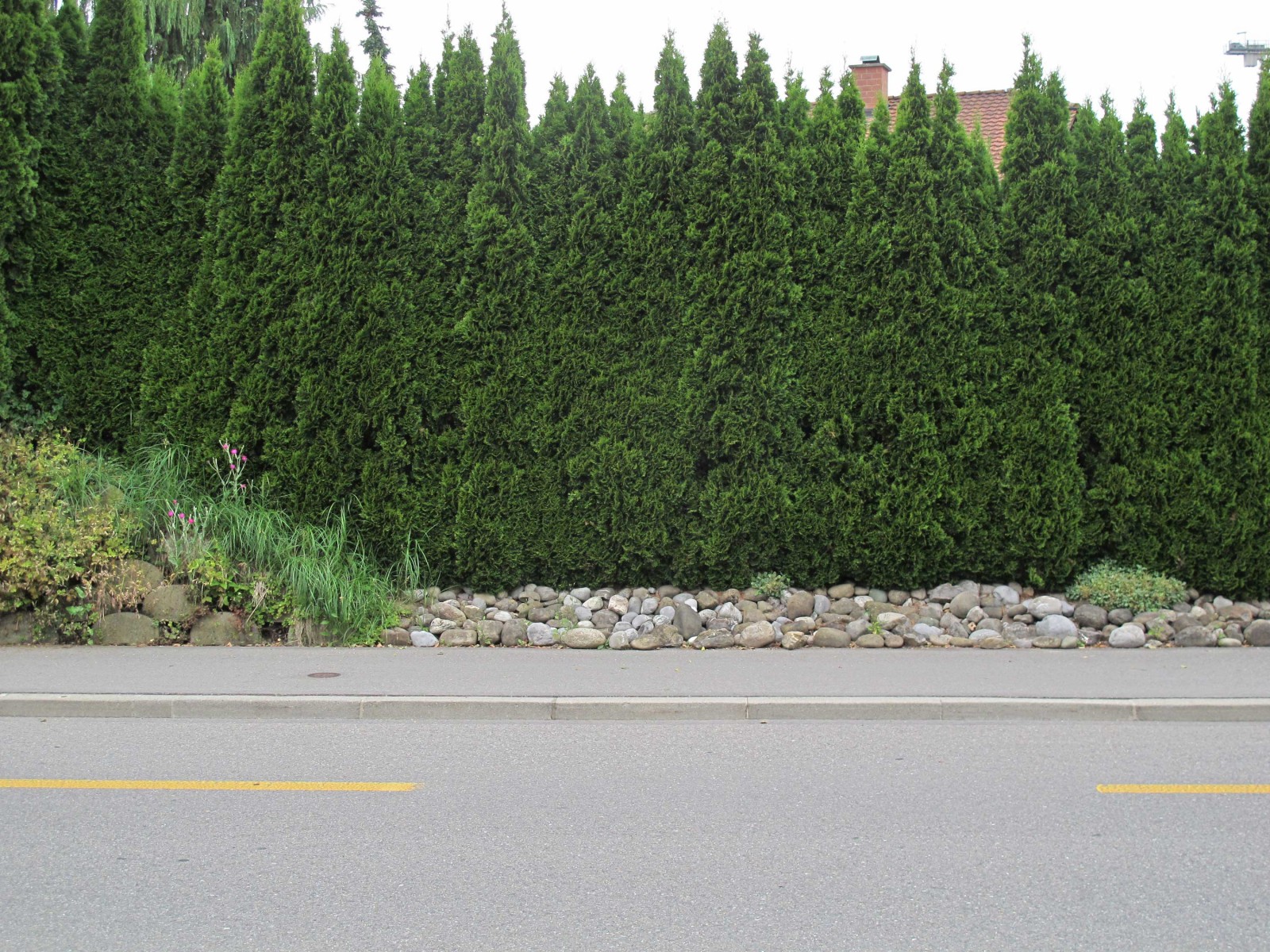


TYPES










DATAS
POPULATION 2010: 7’758’000
POPULATION 1990: 6’712’000
POPULATION 1970: 6’181’000
POPULATION 1950: 4’694’000
AVERAGE INCOME
UNEMPLOYMENT RATE 2.8% (2011 est.)
AVERAGE AGE 42 years
0-14 years: 15.2% (male 621,785/ female 586,205)
15-64 years: 67.6% (male 2,696,392/ female 2,665,191)
65 years and over: 17.1% (male 584,809/ female 771,135) (2012 est.)
AVERAGE SQM/HABITANTS
AVERAGE TIME TRAVEL TO WORK
URBANIZATION
urban population: 74% of total population (2010)
rate of urbanization: 0.5% annual rate of change (2010-15 est.)
NET IMMIGRATION RATE 1.27 migrant(s)/1,000 population (2012 est.)
EMIGRANTS
GDP PER CAPITA $44,500 (2011 est.)
agriculture (1.2%)
industry (27.5%)
services (71.3%)